Leave Your Message

2026 Best Types of Cash Register Rolls for Global Buyers

Choosing the right Cash Register Rolls in 2026 requires more than comparing prices. Global buyers must match roll materials, dimensions, printing needs, storage conditions, and local market expectations. A roll that works smoothly in a busy supermarket may fail in a small café with humid storage. Width, diameter, core size, and paper thickness should be checked against each printer model before ordering.

Thermal rolls remain popular because they print quickly without ink ribbons. They suit supermarkets, restaurants, pharmacies, parking systems, and many mobile payment devices. However, thermal paper quality differs widely. Buyers should review image durability, surface smoothness, winding tightness, and resistance to heat, light, moisture, and friction. Phenol-free or responsibly sourced options may also matter, depending on the destination market and customer requirements. Specifications should be supported by test reports, product samples, and clear supplier documentation.

Small details matter.

This guide compares thermal, bond, carbonless, and specialty Cash Register Rolls for international purchasing teams. It considers practical factors such as carton protection, pallet efficiency, private labeling, minimum order quantities, and consistent batch quality. Experienced buyers know that a low unit price can become expensive after jams, faded receipts, or rejected shipments. Still, no checklist is perfect. Storage conditions and printer wear can change results unexpectedly. For that reason, sampling before mass production remains a sensible step. The best choice balances reliable performance, responsible materials, verified specifications, and long-term supply stability.
2026 Best Types of Cash Register Rolls for Global Buyers

Understanding Cash Register Roll Types and Their Core Uses

Cash register rolls are not interchangeable. Each type serves a different checkout condition. Thermal rolls use heat-sensitive coating, so printers need no ink or ribbon. They suit supermarkets, restaurants, parking terminals, and mobile counters. According to Grand View Research, the global thermal paper market was valued at about USD 4.4 billion in 2023, with continued growth expected through 2030. This reflects steady demand for compact receipt systems.

Bond paper works with ink-based printers and often provides better long-term readability. Carbonless rolls create duplicate records through pressure-sensitive layers. They remain useful for delivery notes, service tickets, and multi-copy transactions. Phenol-free thermal rolls can reduce exposure to certain chemical developers. However, “eco-friendly” is not a complete specification. Buyers should request coating details and compliance documents. The 2024 Federal Reserve Diary reported that cash represented 16% of U.S. consumer payments in 2023, showing that physical receipts still support many cash transactions.

Roll dimensions matter as much as paper type. Confirm width, outer diameter, core size, and printer compatibility before ordering. A 57 mm roll cannot replace an 80 mm roll, even when both look similar. Smithers’ industry analysis highlights point-of-sale, ATM, and self-service equipment as major thermal paper applications. In practice, humidity, heat, and storage time can affect image quality. I have seen suitable rolls fail because cartons were stored beside a warm loading door. Specifications help, but handling conditions need equal attention.
2026 Best Types of Cash Register Rolls for Global Buyers

Representative common roll widths and their core uses

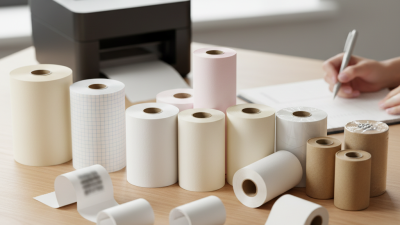
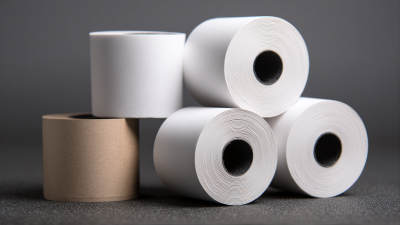
Thermal rolls are widely used for POS receipts and ATM tickets because they print without ink or ribbons. Bond rolls are commonly used in adding machines and older cash registers, while carbonless rolls support multi-copy records. The widths shown are common industry formats; buyers should confirm printer specifications before ordering.

Comparing Thermal, Bond, Carbonless, and Specialty Paper Rolls

2026 Best Types of Cash Register Rolls for Global Buyers

Thermal rolls are popular because they print quickly without ink ribbons. They suit busy counters, compact terminals, and delivery printers. However, heat, sunlight, and plastic contact can fade receipts over time. Buyers should check coating quality, roll width, core size, and printer compatibility. A practical test is simple: print a receipt, fold it, and store it near a warm window.

Bond paper requires ink or a ribbon, but it usually offers stable long-term readability. It works well where receipts must remain clear for filing or accounting. Carbonless rolls create two or more copies through pressure-sensitive layers. They help kitchens, couriers, and service desks record transactions without a separate copier. Specialty rolls include adhesive labels, colored stock, and moisture-resistant paper. These options can improve workflow, yet they may require specific printer settings. No roll is perfect. I have seen buyers focus on price and overlook winding direction, causing avoidable printing problems.

Tips: Request samples before a large order. Confirm paper thickness, roll length, core diameter, and carton protection. Check whether the coating meets destination-market requirements. Store rolls upright, away from heat and humidity. Carbonless paper also needs careful handling; pressure marks can appear before use. When comparing suppliers, ask for technical data, production consistency, and clear traceability. A slightly higher-cost roll may reduce jams, waste, and customer complaints. Still, every claim deserves testing.

Choosing Roll Sizes, Materials, and Printer Compatibility

2026 Best Types of Cash Register Rolls for Global Buyers

Choosing Roll Sizes, Materials, and Printer Compatibility

Selecting the right register roll starts with the printer, not the carton price. Measure roll width, outer diameter, and core size before ordering. Common widths include 57 mm and 80 mm, but small differences can cause paper jams. Check the printer manual for maximum roll diameter and winding direction. Thermal rolls suit many modern counters because they print without ribbons or ink. Bond paper works with impact printers and usually needs a separate ribbon. It may be a better choice for long-term storage, depending on local requirements.

Material quality affects readability, handling, and record keeping. Look for even coating, smooth edges, and consistent winding. Some buyers also request phenol-free thermal paper, especially where staff handle receipts frequently. Storage matters too. Heat, sunlight, and plastic contact can damage thermal images. A cool, dry cabinet is safer. Still, no roll performs perfectly in every environment. Humid shops may need extra testing.

Tips: Order samples first. Test the roll in the real printer for feeding, cutting, and image contrast. Confirm the core and roll length, not just the width. Ask suppliers for material specifications and batch consistency records. For global shipments, use millimetres, confirm packaging dimensions, and review destination labeling rules. A short trial can prevent thousands of unusable rolls.

2026 Best Types of Cash Register Rolls for Global Buyers - Choosing Roll Sizes, Materials, and Printer Compatibility

Roll Type Typical Material Common Widths Typical Core Sizes Printer Compatibility Main Advantages Important Limitations Best-Fit Applications
Direct Thermal Roll Heat-sensitive coated paper that darkens when exposed to a thermal printhead; available in standard, BPA-free, BPS-free, and phenol-free grades. 57 mm, 58 mm, 76 mm, and 80 mm Commonly 12 mm or 25.4 mm inner diameter; outer diameter must match the printer compartment. Direct thermal receipt printers and POS terminals; no ink ribbon is required. Fast printing, low operating noise, simple maintenance, and clear text or barcode output. Sensitive to heat, sunlight, friction, oils, and some chemicals; long-term image stability depends on paper grade and storage. Retail receipts, restaurants, ticketing, kiosks, pharmacies, and delivery terminals.
Standard Bond Paper Roll Uncoated woodfree or bond paper, usually white and available in several basis weights. 57 mm, 76 mm, and 80 mm Often 12 mm or 25.4 mm inner diameter, with printer-specific outer-diameter limits. Impact or dot-matrix receipt printers using an ink ribbon; not suitable for direct thermal-only printers. Generally more resistant to heat and light than thermal paper; suitable for handwritten notes and archival filing. Requires a ribbon, produces more printing noise, and may have higher maintenance needs. Legacy cash registers, service counters, industrial workstations, and impact-printing systems.
Two-Part Carbonless Roll Self-contained carbonless paper with a coated top sheet and a copy sheet that reproduces writing or impact. Commonly 76 mm and 80 mm Core and roll diameter vary because two paper layers increase roll thickness. Compatible with suitable impact printers designed to feed multi-layer paper; not compatible with most direct thermal printers. Creates an original and one duplicate without loose carbon sheets or liquid carbon. Requires correct paper orientation and printer pressure; copies may be lighter than the original. Returns documentation, delivery confirmations, service orders, and customer copy receipts.
Three-Part Carbonless Roll Three-layer carbonless paper set consisting of an original plus two duplicate copies. Commonly 76 mm and 80 mm Requires a printer compartment and feed path designed for the larger multi-layer roll. Specialized impact printers with sufficient print pressure and multi-part paper handling. Produces multiple transaction records in one printing operation. Thicker rolls, more limited printer compatibility, and potentially lighter lower-layer copies. Logistics, repair services, transport documents, and transactions requiring several paper records.
Long-Life Thermal Roll Higher-grade direct thermal paper formulated for improved image stability and longer retention under recommended conditions. 57 mm, 58 mm, 76 mm, and 80 mm Usually 12 mm or 25.4 mm inner diameter; verify the maximum outer diameter before ordering. Direct thermal printers that accept the specified width, core, and roll diameter. Better choice for records that must remain readable longer than ordinary short-term receipts. Usually costs more; no thermal grade is completely immune to heat, light, plasticizers, or chemical exposure. Healthcare, banking, warranty documents, regulated sales records, and business invoices.
Colored or Promotional Thermal Roll Direct thermal paper with a colored base, preprinted background, logo area, coupon field, or promotional message. Usually 57 mm, 58 mm, 76 mm, or 80 mm Must match the printer's approved core and maximum outer diameter. Direct thermal receipt printers; printer calibration and print density may need testing. Improves coupon visibility, receipt branding, customer messaging, and promotional response. Higher minimum order quantities or setup requirements may apply; background designs can reduce contrast. Retail promotions, loyalty offers, event tickets, queue systems, and marketing receipts.
Buyer Checklist: Confirm paper type, printed width, maximum roll diameter, core diameter, winding direction, paper thickness, print-side orientation, chemical restrictions, packaging requirements, and storage conditions before placing an international order.

Evaluating Quality, Sustainability, and Global Compliance Standards

In 2026, global buyers should compare cash register rolls beyond price and paper width. Thermal rolls print quickly and suit busy checkout counters. Bond rolls offer simple, reliable printing with ribbon-based systems. Carbonless rolls create duplicate records without electricity. The right type depends on printer compatibility, transaction volume, and storage conditions.

Quality begins with stable paper weight, clean cutting, and a firm cardboard core. During incoming checks, test a roll in several machines. The print should remain sharp after repeated handling. It should not leave heavy dust on the print head. A roll that curls near the final meters can slow a cashier’s work. Humidity also matters, especially during ocean transport. Small defects become expensive when thousands of rolls arrive.

Sustainability requires evidence, not attractive wording. Recycled fiber can reduce virgin material use, but it may affect brightness or smoothness. Responsible sourcing certification can support traceability, though it does not answer every environmental question. Ask for fiber details, coating information, and restricted-substance test reports. Phenol-free claims should include current laboratory evidence. Compliance requirements differ across markets, including chemical limits, labeling, and waste handling. Buyers should review local rules before shipment. My own checklist still misses occasional issues, such as oversized cores or plastic-packed cartons. Pilot orders reveal these problems earlier. A perfect roll does not exist, and supplier declarations still need practical verification.

Selecting the Best Cash Register Rolls for Different Business Needs

Choosing cash register rolls starts with the printer, not the price. Thermal rolls suit supermarkets, cafés, and fast checkout counters because they print quietly without ink ribbons. Bond rolls remain practical for older impact printers and long-term transaction copies. Measure width, diameter, core size, and winding direction carefully. A two-millimeter mismatch can cause jams.

Material choice matters too. European Commission Regulation (EU) 2016/2235 restricted BPA in thermal paper from January 2020. Buyers should request phenol-free specifications, safety documentation, and coating details.

According to Grand View Research, the global thermal paper market was valued at approximately USD 4.3 billion in 2023, with continued growth expected through 2030. Smithers also identifies retail, transport, and logistics as major demand areas. These figures support careful sourcing, not careless bulk purchasing.

Humidity changes performance. A coastal store may need moisture-resistant packaging and sealed cartons. A busy grocery counter may need larger rolls, fewer changeovers, and strong image density. Test five to ten rolls before ordering pallets. Check fading after heat, sunlight, and several weeks of storage. It is easy to judge a roll by its bright first print. That can be misleading. A lower-cost roll may tear, leave dust, or fade quickly. I would also review packaging waste, delivery reliability, and batch consistency. No roll is perfect. The right choice depends on the business routine.