2026 Top Wood Pulp Paper Trends What You Need to Know?
The world of Wood Pulp Paper is evolving rapidly. As we approach 2026, new trends emerge that are shaping the industry. Consumers demand more sustainable practices. Brands are responding with innovative solutions.
This shift towards eco-friendly materials drives change. Many manufacturers focus on reducing their environmental impact. The rise of recycled paper products is notable. People want products that are both high-quality and sustainable. The market sees a blend of technology and tradition.
Challenges lie ahead as well. Not all trends are beneficial or sustainable. Some companies prioritize profit over the environment. It raises questions about true commitment to sustainability. Understanding these trends is essential for both consumers and industry players. Awareness can lead to informed choices in Wood Pulp Paper products.
2026 Wood Pulp Paper Market Overview and Key Statistics
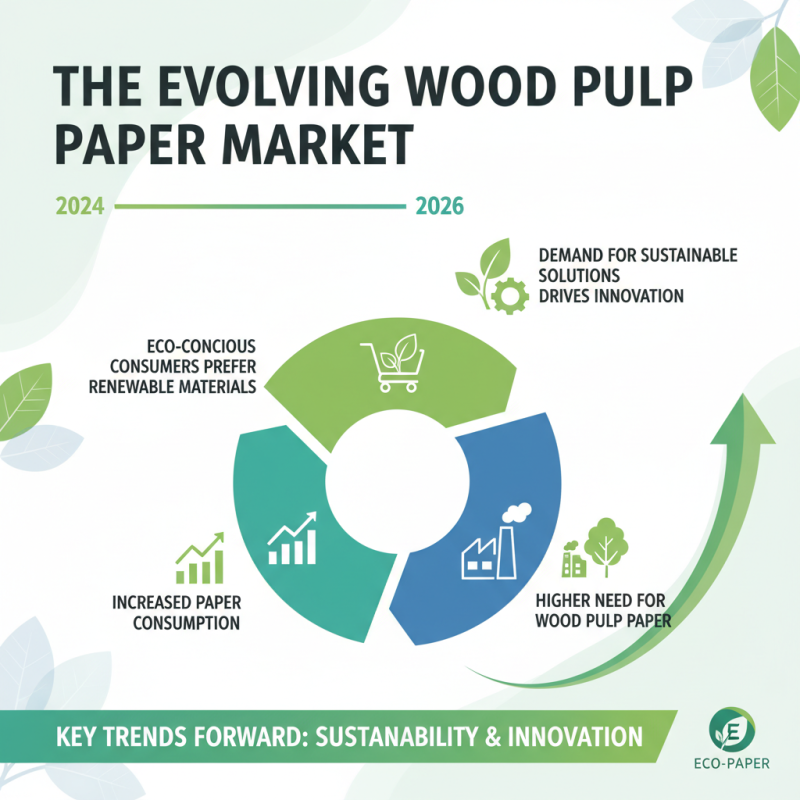
The wood pulp paper market is evolving rapidly. In 2026, the demand for sustainable paper solutions will drive innovation. Consumers are more eco-conscious now than ever. They prefer products with renewable materials. Statistics reveal a steady increase in paper consumption. For many industries, this translates to a higher need for wood pulp paper.
Tips: Focus on sustainable sourcing. Look for suppliers who use responsible practices. It’s an effective way to contribute to environmental efforts.
The shift in consumer behavior presents challenges. Some companies struggle to keep pace with these changes. They need to adapt to new preferences. Data shows a clear trend towards recycled and biodegradable products. However, not all companies are fully prepared. Awareness about this shift is crucial.
Tips: Analyze industry reports. They provide insights into market dynamics. Understanding trends can help businesses make informed decisions. Keep an eye on competitors and emerging technologies. These could reshape the landscape significantly.
Emerging Technologies in Wood Pulp Paper Production
Emerging technologies are reshaping wood pulp paper production in exciting ways. Innovations like digital automation are enhancing efficiency. These advancements shorten production times and reduce waste. Sensors and AI analyze processes, ensuring optimal resource usage. This helps meet growing sustainability demands.
Biotechnology is another significant trend. Enzymes and microorganisms are transforming wood biomass into pulp. This method lowers chemical use, reducing environmental impact. The technology is still developing, presenting challenges along the way. Balancing cost with eco-friendliness is a topic for further exploration.
Renewable energy sources are also becoming crucial. Factories are increasingly adopting solar and wind power. This shift lowers carbon footprints but requires significant investment. It’s a balancing act, as not all facilities can implement these changes quickly. The industry is undergoing a transformation, but obstacles remain.
Sustainability Trends Impacting the Wood Pulp Industry
Sustainability is reshaping the wood pulp industry. In recent years, environmental concerns have gained prominence. According to latest reports, over 30% of pulp producers aim to reduce their carbon footprints by 2026. This trend aligns with the global push for greener practices.
The demand for recycled pulp is surging. Many companies are turning to recycled materials. Data shows that recycled content in paper products could reach 50% by 2025. This shift not only conserves resources but also addresses waste issues. Consumers increasingly expect brands to adopt sustainable practices. However, challenges remain.
The production of wood pulp still relies heavily on virgin fibers. Deforestation and habitat loss are critical issues. While progress occurs, the industry grapples with balancing demand and environmental impact. It is essential to recognize the progress and the shortcomings in sustainability efforts. The path ahead is complex, requiring continuous innovation and commitment.
Consumer Preferences Shaping Wood Pulp Paper Products
Consumer preferences are evolving, and they play a crucial role in shaping wood pulp paper products. People today prioritize sustainability. They seek products made from responsibly sourced materials. Eco-friendly options are increasingly in demand. This shift influences manufacturers to adopt greener practices. Bamboo pulp and recycled fibers are gaining traction. Customers want transparency regarding sourcing.
To meet these expectations, companies must invest in sustainable technology. Eco-labels can help consumers make informed choices. However, not all brands provide clear information. Some may exaggerate their green claims. It’s essential for buyers to do their research.
Tip: Check for certifications indicating eco-friendliness. Look for brands that demonstrate genuine commitment. Engaging with local suppliers may also lead to finding great options. As consumers become more aware, their choices can drive lasting change in the paper industry. Reflecting on these trends is vital for all stakeholders involved.
2026 Top Wood Pulp Paper Trends
Innovations in Wood Pulp Paper Applications and Uses
The wood pulp paper industry is evolving rapidly. Innovations are emerging in applications and uses. For instance, biodegradable paper products are gaining popularity. These products resonate with consumer interest in sustainability. They offer a practical alternative to plastics. As businesses seek eco-friendly options, this shift is notable.
Furthermore, wood pulp paper is finding new uses in technology. For example, conductive paper is being developed for electronics. This innovation could lead to flexible devices and smarter packaging solutions. However, the durability of such papers still raises questions. Will they meet consumer expectations?
Also, the aesthetic appeal of paper products is growing. Artistic designs are now a focus, not just functionality. This creative angle can attract a younger audience. Yet, balancing beauty and practicality remains a challenge. How to maintain structure without compromising on design? These trends indicate a dynamic future for wood pulp paper.
2026 Top Wood Pulp Paper Trends What You Need to Know
| Trend |
Description |
Application |
Sustainability Aspect |
| Biodegradable Coatings |
Innovative coatings that enhance the paper's properties while ensuring they decompose naturally. |
Food packaging, labeling |
Reduces plastic waste |
| Recycled Fiber Usage |
Increased usage of recycled fibers to produce new paper products. |
Office supplies, packaging |
Promotes circular economy |
| Smart Paper Products |
Integration of technology with paper for printing of interactive content. |
Education, marketing |
Enhances user engagement |
| Lightweight Papers |
Development of lighter paper that maintains strength while reducing material use. |
Shipping, printing |
Lower carbon footprint |
| Plant-based Inks |
Using inks derived from plant materials for printing, reducing chemical use. |
Publication printing, packaging |
Safer for the environment |