What are the Benefits of Thermal Printing Paper in 2026?
As the market for Thermal Printing Paper continues to evolve, its benefits become increasingly clear. According to a recent study by Smith Research, the demand for thermal printing paper is projected to grow by 8% annually through 2026. This growth is fueled by advancements in technology and increased applications across various industries.
Expert in printing solutions, Dr. Emily Carter, states, "Thermal printing paper offers unmatched efficiency and clarity." This is evident in sectors like retail, healthcare, and logistics, where immediate and clear printing is crucial. Businesses are leaning toward thermal printing due to its cost-effectiveness, as it eliminates the need for ink or toner.
However, there are some challenges. The quality of thermal printing paper can fluctuate based on suppliers. This inconsistency can affect print lifespan and quality. Companies must remain vigilant when selecting sources to ensure optimal results. The transition to thermal printing demands careful consideration, but the long-term benefits are substantial.

Advantages of Thermal Printing Paper Over Traditional Printing Methods
Thermal printing paper is gaining attention in 2026 for several key advantages. This technology offers faster printing speeds compared to traditional methods. According to a recent industry report, thermal printers can print at speeds of up to 300 mm per second. This efficiency is critical for high-volume printing environments, such as retail and logistics. Users appreciate how quickly they can produce receipts and labels.
Another notable benefit is cost efficiency. Thermal printing eliminates the need for expensive ink and toner. Reports show that businesses can reduce their printing costs by up to 50% when switching to thermal paper. This aspect is appealing for small businesses with tight budgets. Additionally, thermal printing is more environmentally friendly. There is no need for harmful inks or solvents, which can contribute to pollution. However, some users have raised concerns about the durability of thermal prints. Over time, these prints might fade, especially when exposed to heat or light.
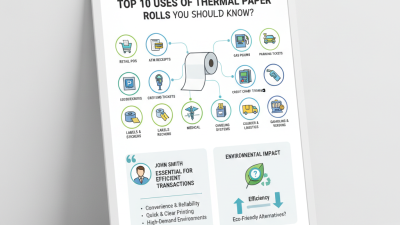
Thermal printing paper also provides versatility. It is used in various applications, from receipts to shipping labels. In fact, thermal labels are often used in barcode printing, which enhances inventory management. However, different qualities of thermal paper can affect the outcome. Choosing the right paper type is crucial for optimal results. As the market for thermal printing expands, businesses should weigh the benefits against potential drawbacks.
Environmental Impact of Using Thermal Printing Paper in 2026
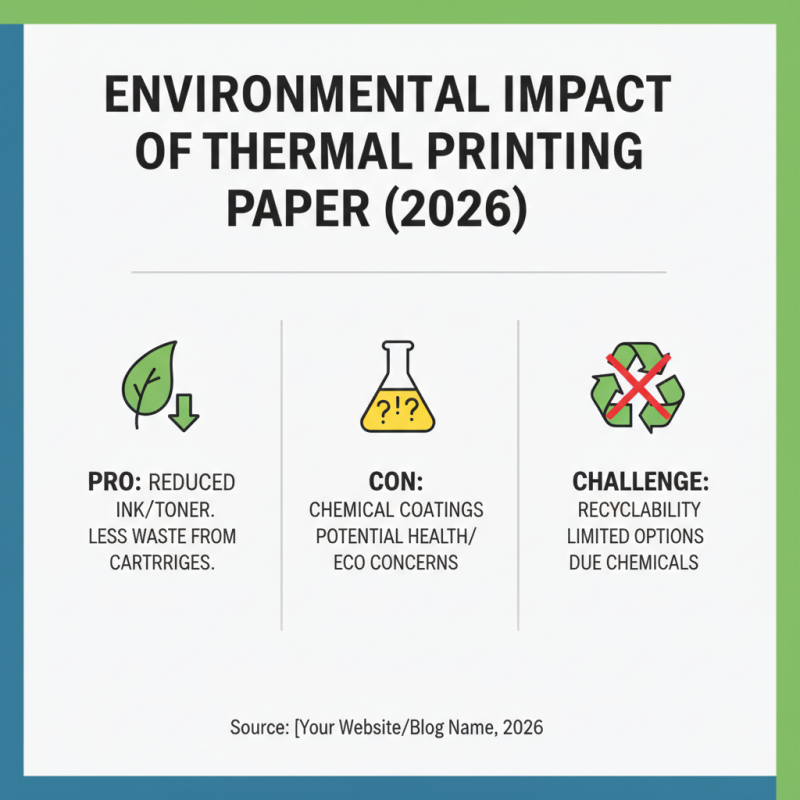
Thermal printing paper has gained popularity in recent years. Its environmental impact in 2026 is worth examining closely. This paper type reduces the need for ink and toner, as it utilizes heat to produce images. However, thermal paper is often coated with chemicals that raise concerns.
The production process itself is resource-intensive. Trees are cut down for paper pulp, and water is used in excess. The disposal of thermal paper also poses a challenge. Unlike regular paper, thermal paper may not decompose easily. This could lead to environmental degradation in landfills.
Not all thermal papers are created equal. Some manufacturers have started using eco-friendly materials. But, consumers are unaware of the differences. Many still choose convenience over sustainability. Raising awareness is essential for making better choices. We must reconsider our habits and their long-term effects on the earth.
Cost Efficiency and Savings with Thermal Printing Paper Solutions
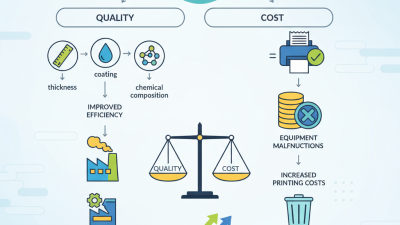
In 2026, thermal printing paper continues to illustrate significant cost efficiency for businesses. Data from recent industry reports reveal that companies can reduce printing costs by up to 30% when switching to thermal solutions. These savings stem from decreased ink expenses and minimized maintenance fees. Thermal printers often require less troubleshooting than traditional printers, leading to lower downtime and more efficient operations.
Tip: Regularly assess your printing volume. A greater volume often justifies a transition to thermal printing, amplifying your savings.
Moreover, thermal printing paper offers enhanced durability, translating to fewer replacement costs in the long run. Unlike standard paper, thermal paper is designed to resist fading and tearing. This quality is especially valuable in sectors that rely on longevity, like logistics and retail. However, some businesses may overlook the environmental impact. Though thermal printing is cost-effective, one should evaluate the sustainability of using thermal paper.
Tip: Consider recycling options in your office. While thermal paper has benefits, explore eco-friendly disposal methods to mitigate waste.
In conclusion, thermal printing paper is not only economical. Its long-lasting nature and reliability minimize frequent replacements. Businesses should balance cost efficiency with environmental considerations.
Technological Advancements Enhancing Thermal Printing Paper Quality
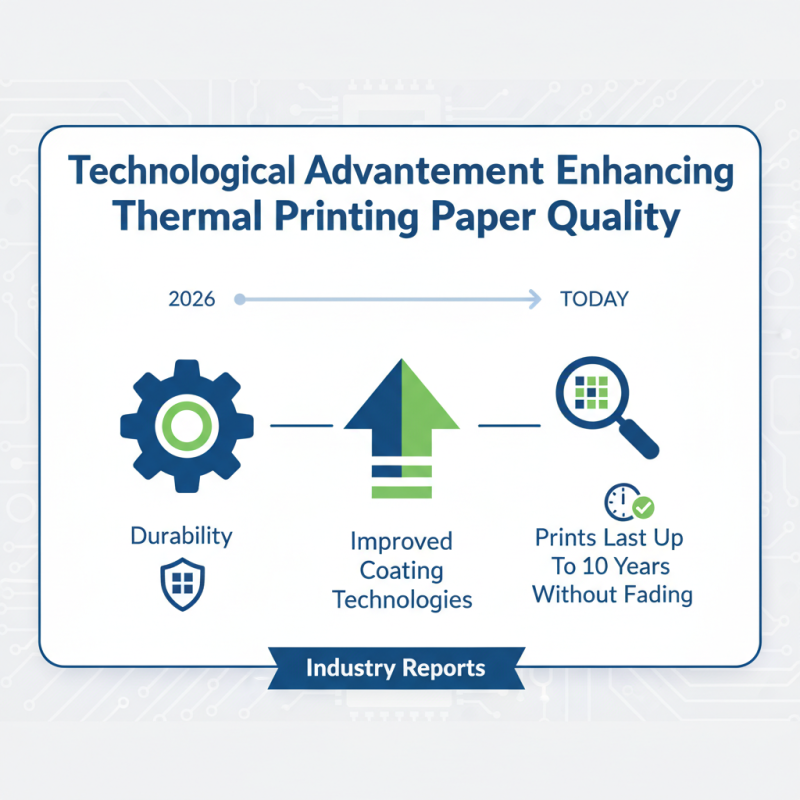
In 2026, advancements in thermal printing paper enhance quality significantly. The latest developments focus on durability and resolution. Improved coating technologies have increased the longevity of prints. According to industry reports, high-quality thermal papers can now last up to 10 years without fading.
Furthermore, the introduction of eco-friendly materials is notable. Many companies are producing less environmentally harmful thermal paper. This shift is crucial as consumers become more eco-conscious. In fact, a study shows that 65% of consumers prefer sustainable products. This trend influences purchasing decisions across various sectors.
Tips: Always check for compatibility with your printer. Not all thermal papers are created equal. Analyze the thickness and surface quality before buying. Additionally, consider storage conditions; improper storage can degrade print quality. Ultimately, while the advancements are promising, not every product meets the highest standards. Consumers should research and be selective.
Applications of Thermal Printing Paper in Various Industries in 2026
In 2026, thermal printing paper continues to play a vital role across various industries. Retail, healthcare, and logistics are leading sectors that rely heavily on this technology. For instance, the retail market has seen a surge in the use of thermal paper for receipt printing. According to a recent industry report, the thermal paper market is projected to grow at a CAGR of 5% by 2028. This growth underscores the importance of thermal printing in enhancing transaction efficiency.
In healthcare, clarity and speed are crucial. Thermal printing paper is widely used for labels, medication prescriptions, and patient wristbands. Accurate labeling can significantly reduce medication errors, enhancing patient safety. A study revealed that using high-quality thermal paper improved scanning rates by 30%. In logistics, thermal printing enhances operational efficiency. Barcode labels printed on thermal paper streamline the tracking process, reducing errors in parcel delivery.
While the advantages of thermal printing paper are clear, there are also challenges. The environmental impact of thermal paper, especially those coated with BPA, is a growing concern. Some companies are starting to explore eco-friendly alternatives, yet the transition remains slow. As industries evolve, balancing efficiency with sustainability will be key.