
Leave Your Message

Top 10 Benefits of Using Offset Paper for Your Printing Needs

In the dynamic landscape of printing technology, **Offset Paper** has established itself as a formidable choice for businesses seeking reliability and quality. According to a 2022 report by the International Paper Association, approximately 70% of printing firms consider offset printing as their primary method due to its cost-effectiveness and superior image quality. This statistic underscores the critical role of offset paper in meeting industry standards and customer expectations.

Industry expert Dr. Emily Richards states, "The choice of paper is pivotal in enhancing the final product, and Offset Paper consistently leads the pack in terms of vibrant color reproduction and durability." Her insights reflect the growing consensus among professionals that offset printing not only offers environmental benefits through better waste management but also supports a wide range of applications from business cards to high-volume publishing. As we explore the top ten benefits of using offset paper for your printing needs, it becomes evident that this traditional method continues to innovate and provide exceptional value in an ever-evolving market.
Top 10 Benefits of Using Offset Paper for Your Printing Needs

Understanding Offset Paper and Its Unique Characteristics

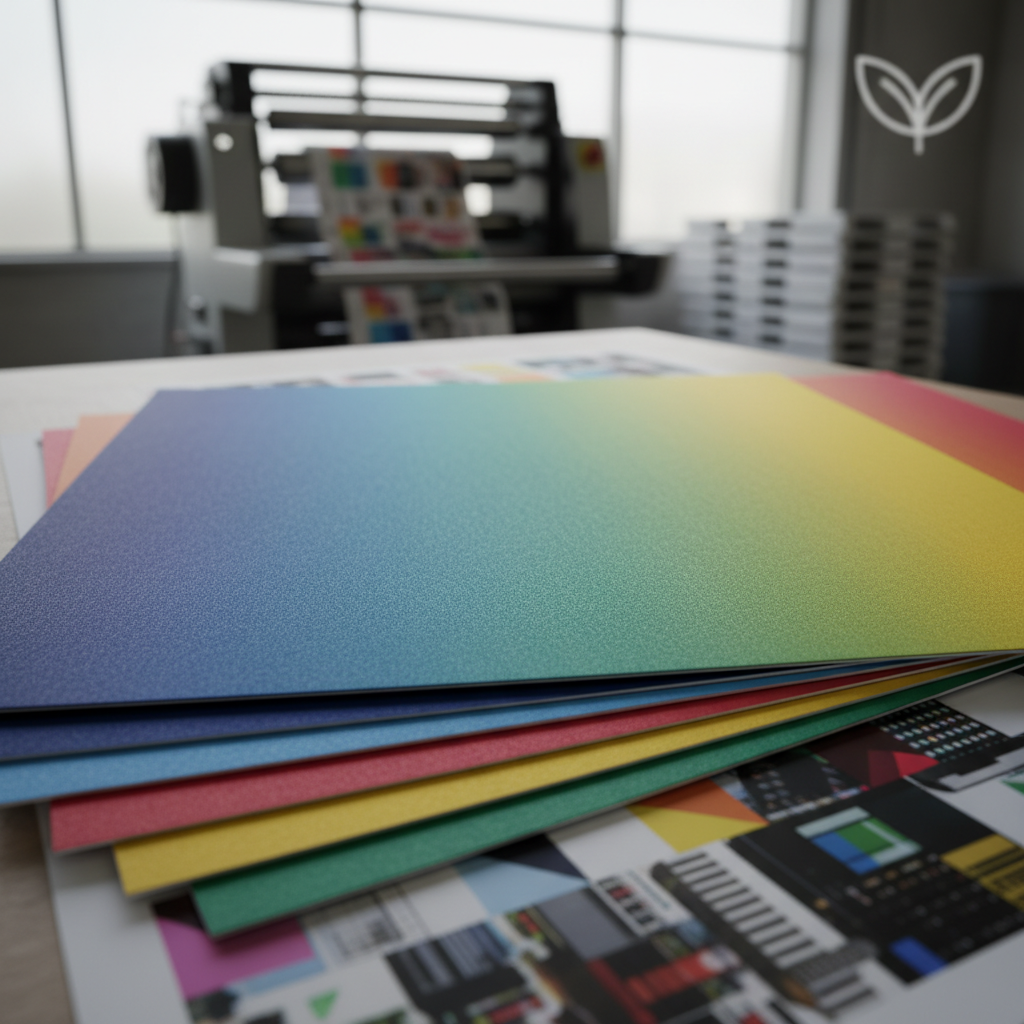
Offset paper, renowned for its unique characteristics, is widely used in the printing industry due to its versatility and superior quality. One of the defining features of offset paper is its ability to reproduce fine details and vibrant colors, making it a favorite among graphic designers and printers alike. This type of paper has a smooth finish that enhances image clarity and text sharpness, ideal for both high-quality prints and everyday business materials.

In addition to its printing capabilities, offset paper also offers a unique advantage in terms of cost-efficiency. The production process allows for large print runs that keep unit costs low, making it an economical choice for businesses looking to produce everything from brochures to large poster prints. Moreover, its durability ensures that printed materials maintain their integrity over time, resisting fading and wear. This combination of quality and cost-effectiveness makes offset paper an essential tool in various printing projects, similar to the strategic approaches used in games, where understanding the unique attributes of weapons and tactics can significantly influence success in challenging scenarios.
Cost-Effectiveness of Offset Paper in Bulk Printing Projects

Top 10 Benefits of Using Offset Paper for Your Printing Needs

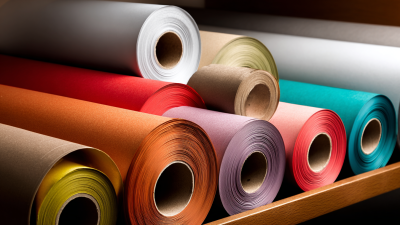
When it comes to bulk printing projects, the cost-effectiveness of using offset paper cannot be overstated. Offset printing allows for a lower per-unit cost, especially when large quantities are involved. This method produces high-quality prints quickly and efficiently, making it ideal for businesses looking to maximize their budget. The initial setup might involve a higher investment compared to digital printing, but the savings gained from bulk production can lead to significant overall reductions in printing costs.

Additionally, offset paper provides superior quality that often justifies its use in large runs. The ability to achieve vibrant colors and sharp images makes it a preferred choice for marketing materials such as brochures, flyers, and posters. When printing in bulk, the consistent quality across all pieces minimizes waste and enhances the professionalism of the final product. As businesses look for ways to optimize their printing processes while maintaining quality standards, offset paper stands out as a smart investment that delivers both cost savings and exceptional results.

Environmental Benefits of Using Offset Paper: A Sustainable Choice

Offset paper has become a preferred choice not only for its print quality but also for its environmental benefits. According to the Paper & Paperboard Packaging Environmental Council, using offset paper that is sourced from sustainably managed forests can significantly reduce deforestation impacts. When responsibly produced, offset paper comes from trees that are replanted after harvest, contributing to a balanced ecosystem and promoting biodiversity.

Moreover, the carbon footprint associated with offset printing is notably lower compared to alternatives like digital printing. The Environmental Paper Network reports that paper recycling can save up to 60% of the energy required to produce new paper. In addition, offset printing typically uses fewer resources, as the setup for large batches allows for reduced waste and more efficient use of materials. This aligns with the growing demand for sustainable practices in the printing industry, where businesses are not only looking to improve their brand image but also to contribute positively to the environment.

By choosing offset paper, companies can play a crucial role in reducing their environmental impact while producing high-quality printed materials.

Enhanced Print Quality and Precision with Offset Paper

Offset paper is renowned in the printing industry for delivering exceptional print quality and precision, making it a preferred choice for various printing needs. According to a study by Smithers Pira, offset printing accounts for approximately 40% of the global printing market due to its ability to produce sharp, clear images and text, resulting in a professional finish that is highly sought after in marketing materials, brochures, and high-quality publications.

One of the key advantages of offset paper lies in its ability to maintain color consistency across large print runs. A report by the Printing Industries of America emphasizes that offset printing can achieve a color accuracy of up to 90% on average, compared to digital printing, which often suffers from variations in color fidelity. This level of precision is particularly vital for businesses that require brand integrity and cohesive visual communications across all printed materials. Furthermore, the smooth surface and high opacity of offset paper enhance ink absorption, leading to sharper details and vibrant colors that stand out, making it an ideal choice for businesses looking to make a lasting impression.

Top 10 Benefits of Using Offset Paper for Your Printing Needs

This bar chart illustrates the top 10 benefits of using offset paper for printing purposes. Each benefit is rated on a scale from 0 to 100, showcasing how offset paper excels in areas such as print quality, cost effectiveness, and versatility.

Versatility of Offset Paper for Various Printing Applications

Top 10 Benefits of Using Offset Paper for Your Printing Needs

Offset paper is renowned for its versatility in catering to a wide range of printing applications, making it a preferred choice for many businesses and individuals. One of the primary benefits of offset paper is its ability to produce high-quality prints with sharp images and vibrant colors. This makes it ideal for projects like brochures, flyers, and business cards, where visual appeal is crucial. The uniform surface of offset paper allows for precise ink transfer, ensuring that the final product meets professional standards.

Moreover, offset paper is adaptable for various printing methods, including traditional and digital techniques. This flexibility means it can be utilized for everything from small-scale print runs to large commercial productions. Additionally, offset paper comes in various weights and finishes, allowing users to select the right type for their specific needs, whether that be for creating textured art prints or sleek, glossy marketing materials. Its compatibility with different ink types further enhances its usability across diverse printing projects, solidifying its position as a reliable choice in the printing industry.