Best Copy Paper for All Your Office Needs in 2026?
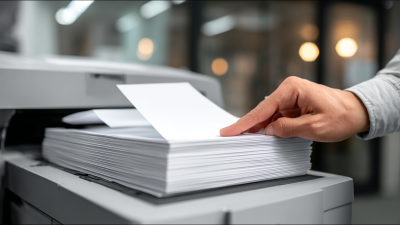
Selecting the best copy paper for your office needs in 2026 requires careful consideration. Copy paper plays a crucial role in everyday tasks, from printing reports to crafting presentations. The right paper enhances the quality of your work. In this dynamic market, various options are available. Each type offers different benefits, which can be overwhelming.
Many professionals appreciate high-quality paper that ensures vibrant print and reduces jams. Other factors include weight, brightness, and texture. These characteristics influence how the final product looks. Not every paper works the same for every printer. It's essential to consider compatibility.
Finding the ideal copy paper might seem easy but can lead to confusion. Some products promise more than they deliver. Reviews and recommendations can help, but personal experience still matters. In the end, choosing copy paper is about balancing quality and cost. A thoughtful approach can make all the difference.
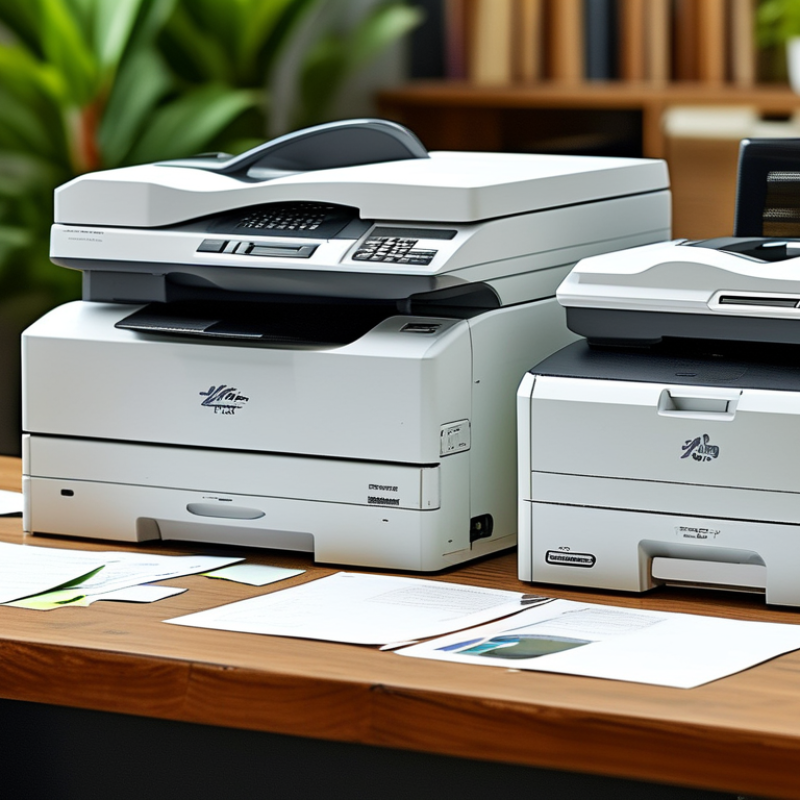
Best Copy Paper Options for Everyday Office Use in 2026
When choosing copy paper for everyday office use, consider various factors. Quality plays a crucial role. A good sheet of paper reduces jams and ensures clear prints. Look for options that offer consistent brightness. Brightness affects readability and professionalism in documents.
Think about weight too. Most offices use 20 lb or 24 lb paper. Lighter paper is cheaper but may result in issues during heavy use. Heavier paper feels more substantial and conveys quality. Some papers are designed for double-sided printing. This could save costs and minimize waste.
Finally, consider eco-friendly choices. Many offices strive for sustainability. Using recycled paper can reduce the carbon footprint. However, some recycled papers may not match the quality of virgin paper. It's essential to strike a balance between sustainability and performance.
Evaluate your needs regularly, as they may evolve over time. This allows for better choices in your office supplies.
Key Features to Consider When Choosing Office Copy Paper
Choosing the right office copy paper requires careful consideration of several key features. The paper’s weight is essential because it influences thickness and durability. Standard weights range from 20 lb to 32 lb, affecting how the paper performs during printing. Heavier paper often produces higher quality prints, making it ideal for important documents.
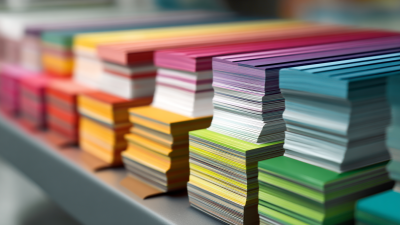
Color and brightness also play a significant role. White, bright paper enhances readability and makes colors pop. This is especially important for presentations where first impressions count. Additionally, consider whether the paper is compatible with different printers. Some papers may jam easily in specific models.
Finally, eco-friendliness emerges as a crucial factor. Many offices prioritize sustainability. Look for recycled options or those certified by environmental organizations. However, balancing quality with sustainability can be complex. Not all recycled paper meets performance standards. A thoughtful approach in selecting office copy paper can elevate your overall workplace efficiency and presentation quality.
Top Brands and Their Popular Copy Paper Products in 2026
When looking for the best copy paper in 2026, it’s crucial to explore various brands that are gaining popularity. These brands are recognized for producing reliable and high-quality paper suitable for different office needs. User reviews often highlight their performance in both home and corporate settings. The thickness, brightness, and smoothness of the paper often influence decisions.
Many employees appreciate paper that can handle double-sided printing without any issues. Some products boast eco-friendly packaging, appealing to environmentally conscious consumers. People often seek paper that provides crisp and vibrant print quality. Yet, despite these advancements, some users report occasional paper jams. These challenges remind us that no product is perfect.
Another factor to consider is weight. Heavier paper tends to yield better results for color printing. However, this can lead to higher costs, which may not fit every budget. It's essential to balance quality and affordability. As brands innovate, understanding their strengths helps users make informed choices for office needs in 2026.
Environmental Impact: Choosing Eco-Friendly Copy Paper
When it comes to choosing copy paper, the environmental impact is a critical consideration. Many offices rely heavily on printed materials, leading to significant paper consumption. Eco-friendly copy paper options are designed to minimize this impact. They often utilize recycled materials and sustainable sourcing. These choices help reduce deforestation and preserve ecosystems.
Moreover, selecting paper with eco-certifications can enhance sustainability efforts in offices. Certifications ensure that the paper is derived from responsibly managed forests. Organizations that prioritize environmentally friendly practices attract eco-conscious clients. However, it’s essential to recognize that not all eco-friendly papers perform equally. Some may not fit the high standards of traditional copy paper.
Adopting a more sustainable approach in the office can also spark discussions. Employees might engage in sharing their insights on reducing paper waste. Encouraging a culture of sustainability could lead to innovative ideas. Reflecting on paper use can foster a mindset geared toward long-term impact. Balancing quality and environmental responsibility is essential, even if it's not always straightforward.
Cost-Effectiveness: Balancing Quality and Price in Copy Paper Choices
When choosing copy paper, cost-effectiveness is key. Quality paper feels better to touch and enhances printing clarity. This makes a significant difference in presentations and reports. Yet, not all high-quality options come at a high price. Some economical choices perform remarkably well, blending durability with affordability.
An ideal selection should balance weight and brightness. A good weight usually falls between 20 to 24 lbs. Papers that are too light can jam easily. On the other hand, excessively heavy ones might be hard to handle. Brightness affects how colors appear; therefore, 92 to 98 brightness is often recommended for vibrant prints.
It can be tempting to buy based solely on price. However, this can lead to dissatisfaction if the quality does not meet expectations. Finding reliable sources can also be a challenge. Some products may vary in quality batch to batch. Buying in bulk can save money, but it’s essential to avoid making impulse purchases. Evaluate your needs carefully to avoid regrets later.