The Best 10 Photo Printing Paper Options for Stunning Prints?
Choosing the right photo printing paper is essential for achieving stunning prints. With hundreds of options available, it can be overwhelming to find the best fit. High-quality photo printing paper enhances color vibrancy and detail. It can turn an ordinary photograph into a work of art.
Different types of paper serve various purposes. Glossy papers shine and add depth, while matte sheets offer a subtle, refined look. Each type of photo printing paper affects the final image in unique ways. You may find your initial choice doesn't meet expectations. Experimentation often leads to a more satisfying result.
When dealing with photo printing paper, brand reputation matters. Researching reviews and expert opinions can guide your selection. Not all products live up to their claims. To achieve the best outcome, consider your printer’s specifications and the intended use for your prints. Understanding these factors leads to remarkable results.
Top Factors to Consider When Choosing Photo Printing Paper
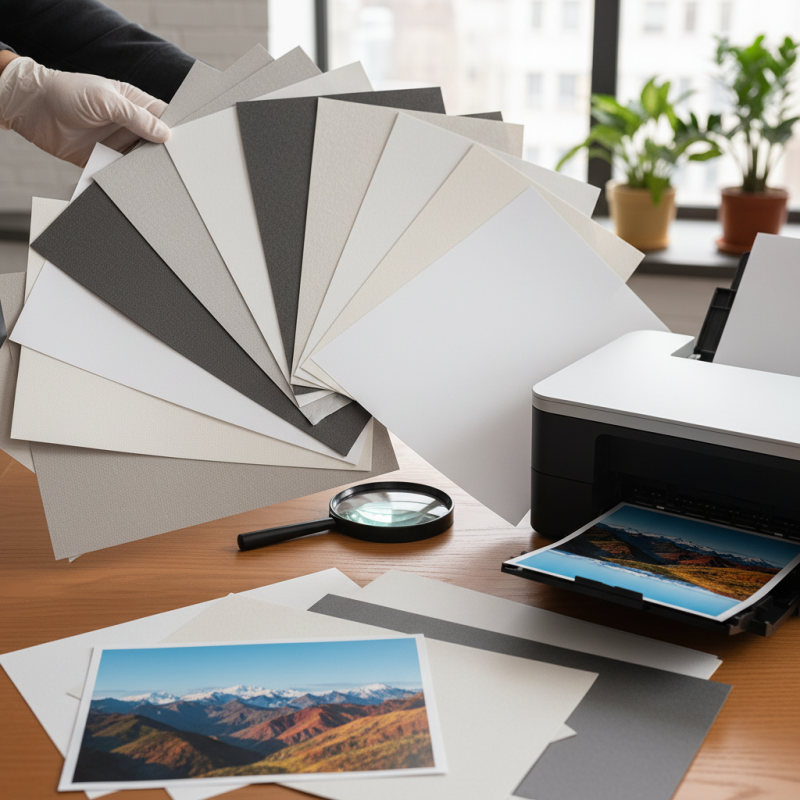
Choosing the right photo printing paper can significantly impact the quality of your prints. One key factor to consider is the paper weight. Standard options range from 190gsm to 300gsm. Heavier paper generally provides richer colors and better durability. According to a study by the International Fine Print Dealers Association, prints on heavier paper maintain their quality for up to 200 years if stored properly.
Another essential aspect is the finish of the paper. Glossy, semi-gloss, and matte finishes each offer unique visual effects. Glossy paper enhances color vibrancy, creating striking images. However, it can be prone to fingerprints and glare. Conversely, matte finishes add depth and reduce glare, but they may dull vibrant colors. A survey conducted by the Printing Industries of America indicates that 67% of photographers prefer glossy finishes for vivid landscapes, while 75% lean towards matte for portraits.
Texture also plays a significant role. Textured papers can add a tactile dimension to your prints. The right texture can evoke feelings and enhance the visual narrative. However, not every texture suits every image. Some photographers find that not matching the texture to the subject detracts from the overall impact. Taking the time to select the appropriate paper based on these factors is crucial for achieving the best results.
Types of Photo Printing Paper: Glossy, Matte, and More
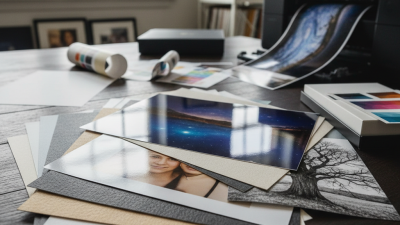
When choosing photo printing paper, understanding the types can greatly enhance your final prints. Glossy paper is popular for vibrant images. It reflects light well and makes colors pop. However, it can also show fingerprints and glare. If you prefer a smooth texture, consider satin or semi-gloss options. They offer a balance between gloss and matte, reducing glare while maintaining rich colors.
Matte paper is another choice, ideal for those who want a more subdued finish. It absorbs light, resulting in less glare. This type is perfect for black and white images or portraits. However, colors may appear less intense compared to glossy finishes. Some photographers find it lacks the punch that glossy options provide. Choosing the right paper type depends on your artistic vision and preferences.
Fine art paper, often made of cotton or high-quality fiber, offers a luxurious feel. It enhances the texture and depth of images. This option is great for limited editions or gallery displays. Though, it may not suit every printing goal. Each paper type has its unique characteristics, challenges, and reward factors worth considering.
The Best 10 Photo Printing Paper Options for Stunning Prints
Best Brands for High-Quality Photo Printing Paper
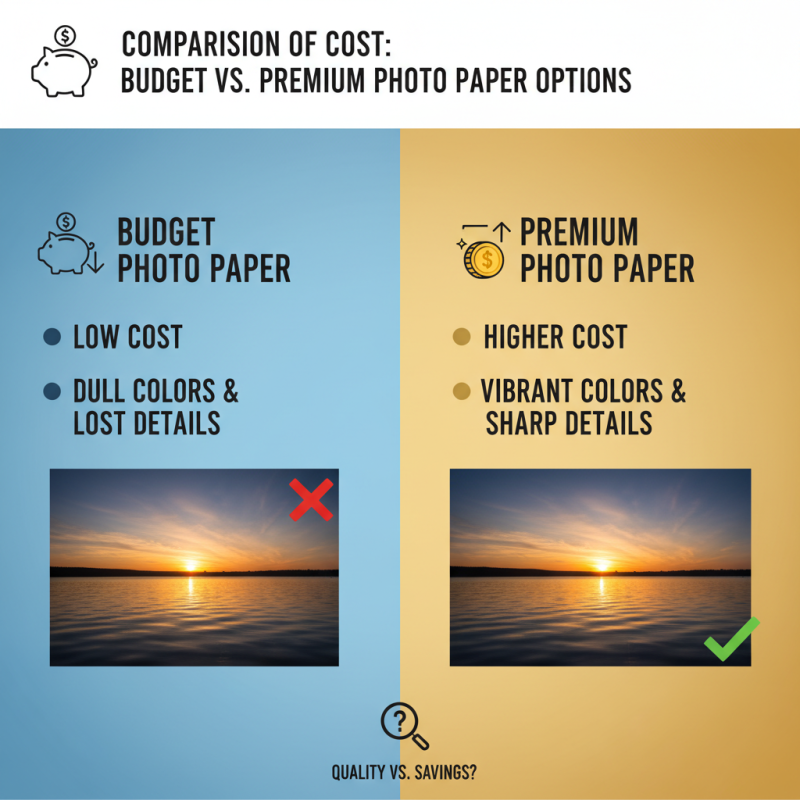
When it comes to high-quality photo printing, selecting the right paper is crucial. Brands that focus on photo printing offer a variety of options that cater to professional photographers and hobbyists alike. Look for papers that provide vibrant colors and sharp details. A glossy finish often enhances images, making them pop. However, it's worth noting that not all glossy papers are created equal.
Matte paper can also be a fantastic choice. It eliminates glare and makes images suitable for framing. Brands that specialize in matte finishes typically use materials resistant to smudging and fading. This is essential for longevity. However, sometimes matte papers may not capture the same level of vibrancy as their glossy counterparts.
Considerations extend beyond surface types. Weight and thickness are significant. Heavier paper often conveys quality, but it may not always feed correctly through printers. Experimentation might be needed to find the perfect match for your specific printer. Ultimately, balancing artistic vision with the technical aspects of printing can lead to stunning results. Each choice brings its own pros and cons, making the selection process a journey of discovery.
Tips for Achieving the Best Results with Your Chosen Paper
Choosing the right photo printing paper
is crucial for achieving stunning prints. The texture and weight of the paper can impact the final outcome. It's helpful to consider the type of project you're working on.
Glossy paper enhances vibrancy, while
matte paper offers a softer look.
Before printing, test your settings. Calibration can make a significant difference. Print a small sample first. Check how colors translate on your chosen paper. You'll notice some discrepancies, and that's normal. Adjust your printer settings based on these tests.
It can feel tedious, but small tweaks lead to better images.
Additionally, storage matters. Keep your paper in a cool, dry place. Humidity can warp and ruin your prints. On the other hand, handling paper with care is vital.
Fingerprints and smudges can ruin the final product.
Always handle the edges and avoid touching the surface. Attention to these details ensures that your prints look their best.