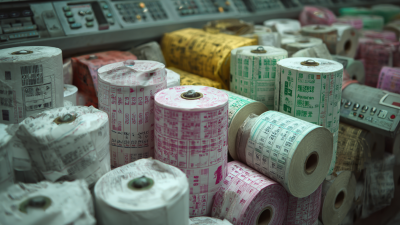
Top 10 Best Receipt Paper Types for Your Business Needs?
In today’s fast-paced marketplace, understanding the different types of Receipt Paper is crucial for business success. "Choosing the right Receipt Paper can enhance customer experience," states John Mitchell, a leading expert in commercial printing solutions. His insights remind us that not all receipt papers are created equal.
Many businesses struggle to find a suitable type. Regular thermal paper might seem sufficient for some, but others may need high-quality options for durability. The diverse selection, including eco-friendly alternatives, can confuse those unfamiliar with the market. Yet, the right choice can significantly improve transactions and customer satisfaction.
Each type of Receipt Paper serves specific needs. Businesses must assess their volume, transaction types, and environmental goals. Remember, factors like visibility and longevity are essential. Taking a moment to rethink your choice can lead to better outcomes. Reflect on your specific requirements before settling on a type. The potential for improvement is often underestimated, but it is worthy of consideration.
Understanding the Different Types of Receipt Paper Available
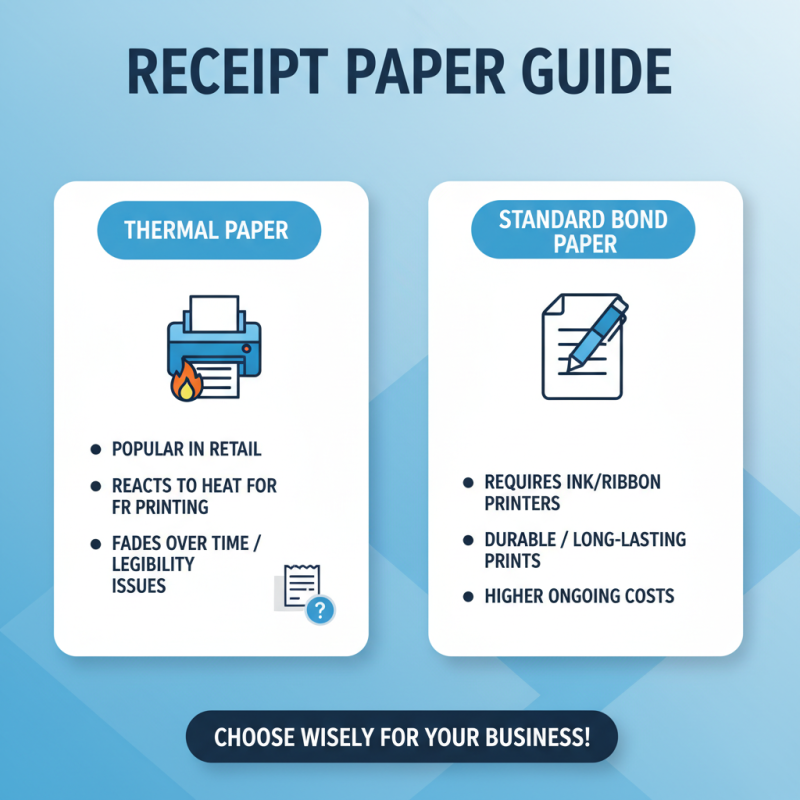
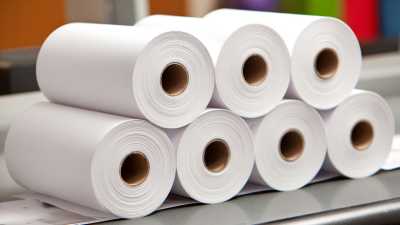
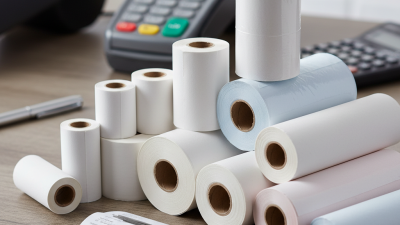
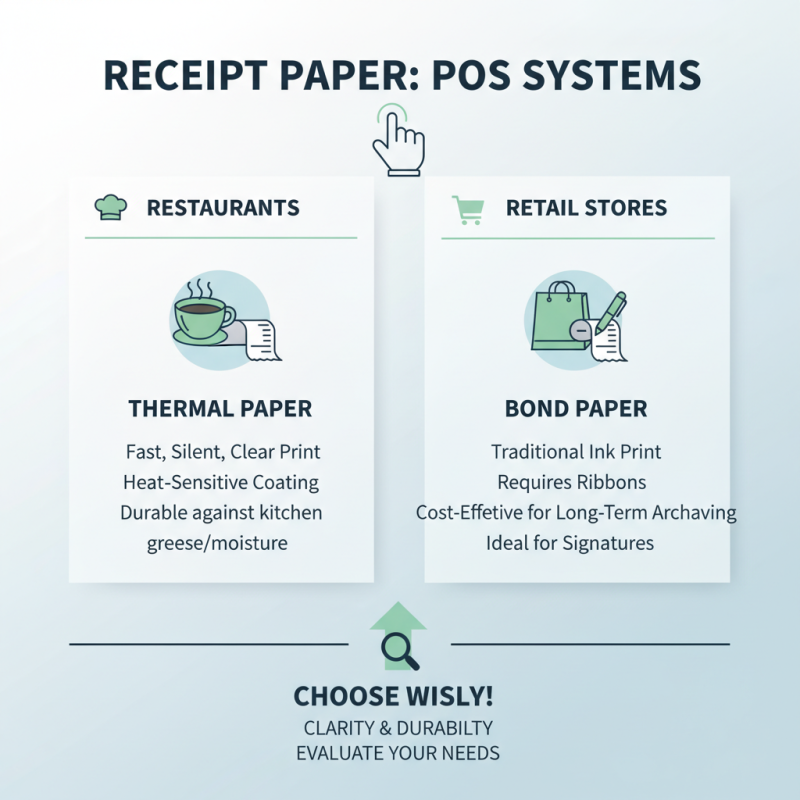
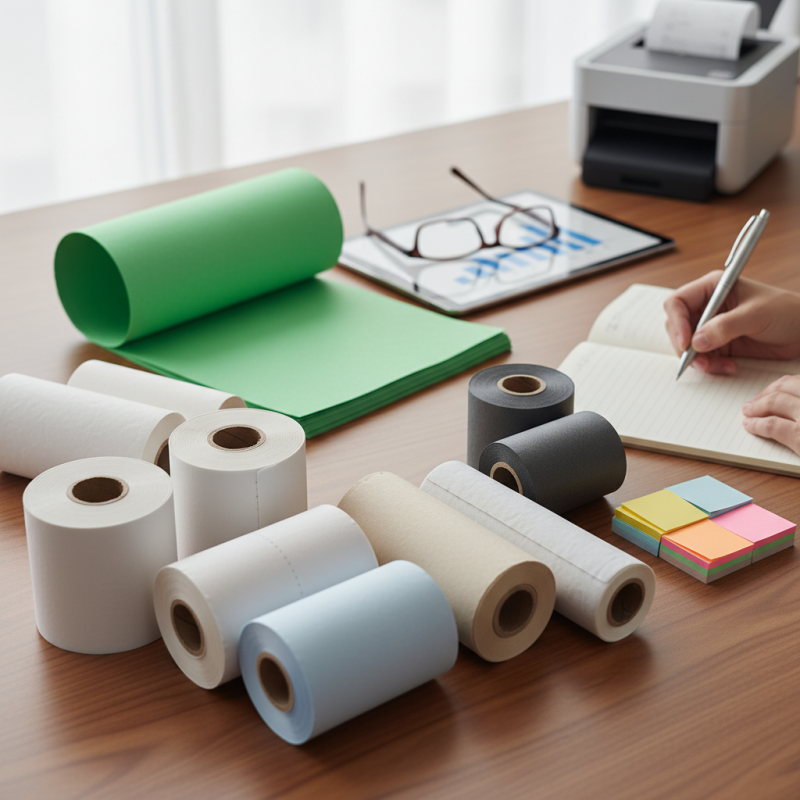
When it comes to receipt paper, understanding the options is essential for any business. Different types of receipt paper serve various purposes. Thermal paper, for example, is popular in retail. It reacts to heat, allowing printers to produce clear images. However, it can fade over time. This might lead to lost receipts and potential customer disputes.
Another common type is bond paper. It's durable and often used for invoices or detailed receipts. Bond paper can hold more ink, providing a cleaner finish. However, it might not be compatible with all printers. Some businesses have encountered challenges with quality and legibility. This can affect presentation and customer perception.
Then there's self-adhesive paper. It's ideal for labels and tags. Businesses often use it for product identification. However, using this type requires careful handling. Mistakes can lead to wasted materials. Each paper type has its strengths and weaknesses, making the selection process crucial for everyday operations.
Key Characteristics of Common Receipt Paper Types
When selecting receipt paper, consider the key characteristics that suit your business needs. Thermal paper is popular for its quick printing capabilities. It uses heat to produce images, eliminating the need for ink. This type of paper is ideal for high-speed printing in retail and food services. However, sensitivity to light and heat can be a drawback, leading to faded receipts over time.
Another option is bond paper, known for its durability and tear resistance. It often feels sturdier in hand, offering a professional touch. While it requires ink for printing, bond paper is less prone to fading compared to thermal types. On the downside, it may come with higher printing costs. Many businesses choose a blend of both types to balance performance and cost-effectiveness.
In recent years, sustainable options have emerged. Recycled paper reduces environmental impact, appealing to eco-conscious consumers. However, it may not always meet the same quality as standard options. Evaluating your specific needs is crucial. An effective choice will enhance customer experience while aligning with your brand values.
Top 10 Best Receipt Paper Types for Your Business Needs
Environmental Considerations in Choosing Receipt Paper
Choosing the right receipt paper type is vital for businesses. Environmental impact plays a significant role in this decision. Traditional thermal paper often contains BPA, a harmful chemical. Studies show that up to 93% of thermal receipts have detectable levels of BPA. This chemical can leach into skin and food. Consumers are increasingly concerned about such risks.
Many businesses are now opting for BPA-free alternatives. These papers reduce health risks but can have other environmental consequences. For instance, some BPA-free papers use chemical substitutes that may also harm the environment. A report from the Environmental Protection Agency highlights that paper production is responsible for about 24% of industrial waste. This statistic raises questions about the true eco-friendliness of alternative products.
Recycling is another consideration. Not all receipt papers are recyclable. Coated thermal papers can create problems in paper mills. Businesses should also consider using digital receipts. They reduce paper waste and cater to a tech-savvy audience. However, implementing a digital system requires investment. Balancing cost, environmental impact, and customer preferences is key.
Cost-Effectiveness and Quality: Finding the Right Balance in Receipt Paper
Choosing the right receipt paper for your business isn’t just about cost. It’s also about quality. High-quality paper can make a huge difference. It impacts how customers view your brand. But balancing cost and quality can be tough.
Consider your daily needs. Some types of paper are thinner and more affordable. They might save money, but they tear easily. This can frustrate both employees and customers. If the receipts fade quickly, it could lead to customer disputes. Investing in better paper might prevent these headaches. Customers appreciate clear, durable receipts.
Tips: Look for suppliers that offer samples. Test different types before settling. Pay attention to printer compatibility. Not all papers work with every printer, leading to wasted paper and time. Finally, think about branding. A quality receipt can reflect positively on your business image. Make every detail count.
Top 10 Best Receipt Paper Types for Your Business Needs
| Paper Type |
Cost (per roll) |
Width (mm) |
Thickness (microns) |
Eco-Friendly |
| Thermal Paper |
$15.00 |
80 |
55 |
Yes |
| Bond Paper |
$10.00 |
76 |
90 |
No |
| POS Receipt Paper |
$20.00 |
58 |
75 |
Yes |
| Receipt Printer Paper |
$25.00 |
80 |
65 |
Yes |
| Multipurpose Paper |
$18.00 |
58 |
80 |
No |
| Self-Adhesive Paper |
$22.00 |
75 |
70 |
Yes |
| Specialty Paper |
$30.00 |
80 |
100 |
No |
| Synthetic Paper |
$28.00 |
80 |
85 |
Yes |
| Recycled Paper |
$16.00 |
80 |
65 |
Yes |
| Carbonless Paper |
$27.00 |
76 |
90 |
No |