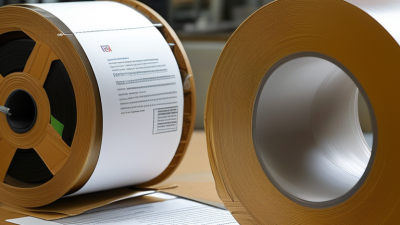
What is the Best Thermal Printer Rolls for Your Business Needs
When selecting the best thermal printer rolls for your business needs, many factors come into play. The right choice can optimize your printing efficiency and enhance your operations. Thermal printer rolls are essential for industries like retail, logistics, and healthcare. They ensure clear, durable prints that withstand the test of time.
Understanding the specifications of thermal printer rolls is crucial. Different sizes, types, and coatings exist. Not all rolls are created equal; some may cause jams or fade quickly. This can lead to increased costs and frustration. Businesses must consider their printing volume and frequency when making a choice.
Finding reliable suppliers is vital, but it's not always straightforward. Quality control varies among manufacturers. Without attention to detail, a poor choice could hinder productivity. Evaluate reviews and recommendations carefully to avoid potential pitfalls. A good decision is informed by experience and understanding, so weigh your options wisely.
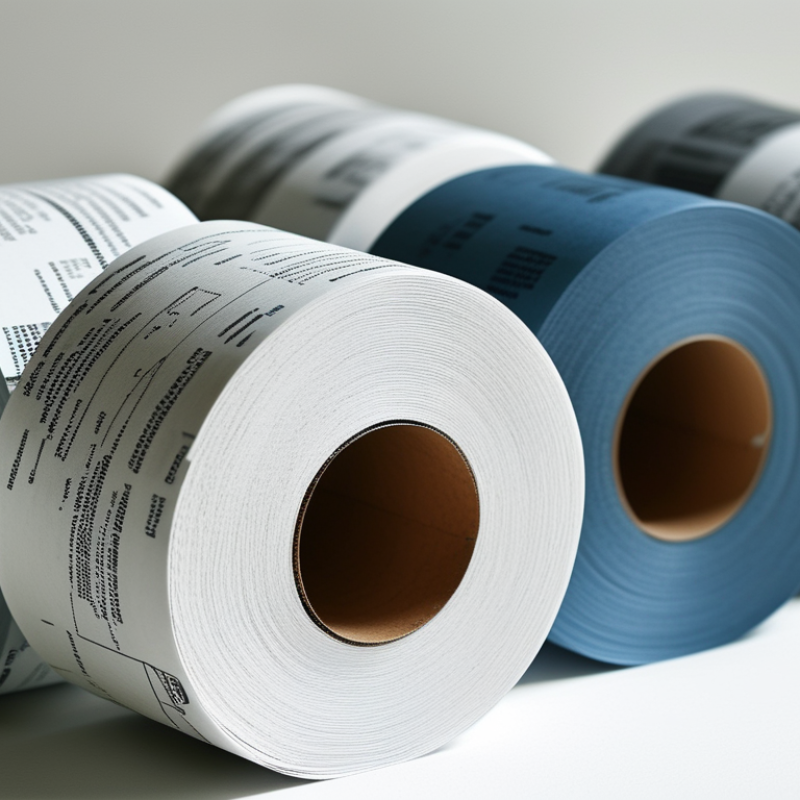
Understanding Thermal Printing: A Brief Overview
Thermal printing technology has transformed various industries by providing efficient and cost-effective solutions for printing labels, receipts, and more. Understanding how it works is essential for selecting the right thermal printer rolls for your business. Thermal printing relies on heat to produce images on special heat-sensitive paper, eliminating the need for ink. It offers faster printing speeds and lower maintenance costs.
When considering thermal printer rolls, the size and type matter significantly. For example, direct thermal rolls are often used for shipping labels, while thermal transfer rolls provide better durability. Choosing the right roll can reduce waste and enhance efficiency. You might find that testing a few different options helps you find what suits your needs best.
Tips: Always check the specifications of your printer before purchasing rolls. Compatibility is crucial. Sourcing rolls from reputable suppliers can also ensure quality and performance. Monitoring your printer’s usage will help you identify trends in roll consumption. This is key for budget management and can streamline your operations.
What is the Best Thermal Printer Rolls for Your Business Needs
| Roll Type |
Width (mm) |
Length (m) |
Core Size (mm) |
Suitable Applications |
| Standard Thermal |
80 |
70 |
12 |
Receipt Printing |
| Label Thermal |
60 |
50 |
25 |
Product Labeling |
| Wristband Thermal |
25 |
100 |
13 |
Event Management |
| Ticket Thermal |
80 |
30 |
12 |
Event Ticketing |
Types of Thermal Printer Rolls Available on the Market
When it comes to thermal printer rolls, understanding the various types is crucial for optimizing business operations. There are three main categories: direct thermal, thermal transfer, and receipt rolls. Each type serves distinct purposes, and choosing the right one can impact efficiency.
Direct thermal rolls use heat to print images on heat-sensitive paper. They are popular for receipts and shipping labels. This method offers a convenient choice for businesses that require quick printing. However, the durability of prints can be a concern, as they may fade over time, especially under heat or sunlight. A report by Smithers Pira states that the direct thermal market is expected to grow by 4.3% annually.
On the other hand, thermal transfer rolls utilize a ribbon to transfer ink onto the printing medium. This results in long-lasting, high-quality prints. Thermal transfer is ideal for labeling products that require durability and resistance to fading. A study by the Freedonia Group highlights that the demand for such labels is rising by 3.5% per year, reflecting the need for more robust solutions in retail and logistics.
Understanding your specific needs and comparing these options can help enhance the efficiency of your operations. Balancing print quality and longevity versus cost is an ongoing task for many businesses. Investing in the right type of thermal printer rolls may yield greater benefits in the long run.
Thermal Printer Roll Types and Their Popularity
Key Factors to Consider When Choosing Thermal Printer Rolls
When choosing thermal printer rolls, several key factors play a crucial role. The type of thermal paper is essential. Direct thermal and thermal transfer papers are the two primary types. Direct thermal paper is sensitive to heat and ideal for short-term use. In contrast, thermal transfer rolls are coated with a layer that requires ink. This type is more durable and suited for labeling.
Consider the size of the rolls. Compatibility with your printer is vital. Most printers have specific dimensions they support. Check the width and diameter to avoid issues. Thin paper may jam in machines, causing frustration. The core size of the roll also matters. Ensure it fits your printer's specifications.
Tips for selecting the right thermal printer rolls include understanding your usage. Will you print delivery labels, receipts, or barcodes? Your choice of paper can depend on these factors. Moreover, always source rolls from reputable suppliers. Quality can vary greatly. Inferior rolls can lead to smudged prints and shorten your printer's lifespan. Take your time when assessing different options. Mistakes in this process can lead to increased costs and inefficiencies later.
Comparing Features: Width, Length, and Core Size of Rolls
When selecting thermal printer rolls, it is essential to consider the specifications that suit your business needs. Width, length, and core size are critical features that directly affect the usability of the rolls. For example, standard widths typically range from 2 inches to 4 inches. According to industry surveys, more than 70% of businesses prefer 3-inch rolls for their versatility across various applications. Narrower rolls can help save on material costs, but they may not be ideal for printing large labels or detailed graphics.
The length of the rolls plays a vital role in determining the efficiency of printing operations. Most rolls come in lengths ranging from 150 to 300 feet. Reports indicate that businesses using longer rolls experience a 30% increase in printing efficiency. This data suggests that companies aiming for high-volume output should opt for the longest rolls feasible to minimize downtime and maximize productivity. Additionally, core size is also important; common sizes are 0.5 inches and 1 inch. If the core size does not match your printer, it can lead to inefficiencies and potential damage.
Choosing the right thermal printer rolls requires balancing these characteristics. Signs of mismatched specifications often include paper jams or poor print quality. A thorough understanding of your printing needs can prevent costly mistakes. Moreover, it's beneficial to continually reassess these requirements as your business evolves. Often, businesses overlook the importance of regularly aligning their printer roll choice with their operational needs, leading to potential inefficiencies.
Top Brands and Recommendations for Business Use
When selecting thermal printer rolls for business use, it’s essential to consider several factors. The type of application is critical. For receipts, you may need a narrower roll, typically 2 inches wide. For labels, wider rolls work better. It’s also important to determine the length of the rolls, as this impacts how often you need replacements.
Different brands offer unique features. Some rolls provide better print clarity, while others have enhanced durability. Businesses that print in high volumes might need rolls that resist fading. Others may prioritize eco-friendliness. It's wise to assess your specific needs, including the type of printer you use, to ensure compatibility.
Exploring customer reviews and case studies can provide valuable insights. Feedback from other users often reveals strengths and weaknesses in products. However, be cautious of overly positive reviews, as sometimes they can be misleading. Regularly testing different types of rolls can lead to better decision-making, even if it means occasional shortfalls in consistency.