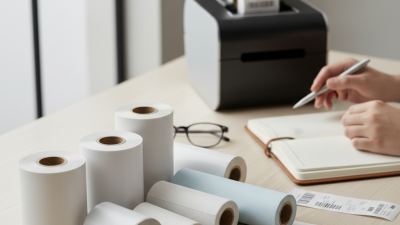
2026 Best Thermal Printing Paper for Global Buyers?
In the evolving landscape of printing technologies, thermal printing paper remains essential for industries worldwide. Dr. Emily Greene, a leading expert in printing materials, stated, "Choosing the right thermal printing paper can significantly enhance efficiency and reduce costs." Her insights highlight the critical importance of selecting quality materials in today's fast-paced market.
Thermal printing paper has a wide range of applications. It is used in retail, logistics, and healthcare sectors. Despite its advantages, many buyers face challenges in choosing the best types for their needs. The wrong choice can result in poor-quality prints or even equipment issues. Thus, understanding the nuances of thermal printing paper is crucial for global buyers.
Research into thermal printing paper often overlooks practical applications. What works in one environment may not succeed in another. Buyers must consider factors like printer compatibility and environmental conditions. Being informed can lead to better decisions and improved outcomes.

Overview of Thermal Printing Paper Types and Applications
Thermal printing paper is a key component in various industries. It comes in several types, each suited for specific applications. The most common types include direct thermal paper and thermal transfer paper. Direct thermal paper is often used in receipt printing, where durability and cost-effectiveness matter. On the other hand, thermal transfer paper is favored for labels and graphics due to its resistance to fading and environmental exposure.
The market for thermal printing paper is projected to reach $6.74 billion by 2026, according to industry reports. This growth reflects the rising demand across retail, logistics, healthcare, and food sectors. Notably, the rise of e-commerce has amplified the need for efficient labeling and shipping solutions. The shift to digitalized systems also emphasizes the necessity for high-quality thermal papers that can withstand various conditions.
Despite the advancements, challenges persist. For instance, thermal printing papers can be sensitive to heat and light. They may degrade over time, affecting print quality and longevity. Choosing the right type is essential. Environmental factors play a significant role in their performance. Additionally, affordability remains a concern for many buyers. Balancing quality and cost is important for long-term success in this market.
Key Features to Consider When Choosing Thermal Printing Paper
When choosing thermal printing paper, there are several key features to consider. The paper's thickness plays a crucial role in print quality and durability. The thicker paper often produces clearer images. Additionally, the surface texture can affect how ink adheres and dries. A smooth finish may yield sharper prints, while a textured surface might absorb ink differently.
Another important factor is the paper's sensitivity. High-sensitivity paper reacts faster to heat, resulting in quicker prints. This can be beneficial for busy environments. However, overly sensitive paper might fade faster over time. It's essential to find a balance between sensitivity and longevity.
Lastly, consider the environmental impact. Many thermal papers are now made with BPA-free materials, making them safer for use. As global awareness of sustainability grows, eco-friendly options are becoming more popular. Reflect on these aspects to make an informed decision. Selecting the right thermal printing paper can enhance your printing experience significantly.
Top Brands and Products for Thermal Printing Paper in 2026
In 2026, choosing the best thermal printing paper is essential for businesses and consumers alike. The market continues to evolve, offering various options that cater to different needs. High-quality thermal paper is vital for ensuring clear and durable prints. Some products utilize advanced coatings that enhance durability and resistance to heat. Many buyers report that certain papers fade quickly with exposure to light. However, this information is not always readily available. It's vital to test different types.
When exploring brands, be aware of the paper's compatibility with printers. Some papers perform better in specific devices, leading to varying print quality. Users often have mixed experiences, with some papers jamming more easily than others. A thorough review of customer feedback can provide valuable insights. Evaluating the whiteness and smoothness of the paper also helps in determining overall performance.
In addition to typical rolls, innovative formats are emerging. These include eco-friendly options constructed from recycled materials. Sustainability is a growing concern among consumers. Many recognize that not all thermal papers are created equal. Investigating these options may spark meaningful discussions about environmental impact. Always consider the source when making a choice. Reliable industry experts can guide the selection process.
Comparative Analysis of Cost and Quality in Thermal Printing Paper
Choosing the right thermal printing paper involves balancing cost and quality. Buyers often find themselves in a complex landscape of options. Examining the materials used in thermal paper is crucial. Higher-quality papers often feature coatings that improve print clarity. They can resist fading and smudging better than cheaper alternatives. This makes them ideal for important documents.
Additionally, the cost variation can be significant. Low-cost papers can save money upfront but may lead to higher expenses over time. These savings might diminish if prints deteriorate quickly. Identifying a reliable supplier for consistent quality can enhance long-term value. In the end, the decision is about finding what works best for individual needs. Understanding the trade-offs between price and performance is essential for making informed choices.
Factors like paper thickness and finish should not be overlooked. While thicker papers may come at a premium, they often ensure durability. On the other hand, overly glossy papers might reflect light, impacting readability. Trying various options through small trials can reveal preferences. It can be a process of trial and error to find the best fit for your specific use case. This exploration might seem daunting initially, but it can lead to better outcomes in the long run.
Future Trends and Innovations in Thermal Printing Paper Technology
The future of thermal printing paper is evolving rapidly due to technological advancements. One notable trend is the shift towards eco-friendly materials. Many manufacturers are exploring biodegradable and recyclable options. This shift not only meets consumer demand for sustainability but also aligns with regulatory pressures. However, developing these materials poses challenges in maintaining high print quality.
Innovation in thermal coating technology is another area to watch. New coatings can enhance durability and print clarity. While these innovations promise better performance, they require rigorous testing. There’s a balance between performance and environmental impact that remains challenging. Additionally, the cost of these advanced materials may impact pricing strategies for global buyers.
Lastly, the integration of smart technology into thermal paper is gaining traction. Innovations like NFC (Near Field Communication) capabilities are being explored. This allows smart printers to communicate seamlessly with devices. Yet, the dependence on technology may create vulnerabilities. The industry must address security concerns to gain trust from consumers. Overall, the landscape of thermal printing paper is ripe for exploration, with opportunities and hurdles on the horizon.
2026 Best Thermal Printing Paper for Global Buyers - Future Trends and Innovations
| Paper Type |
Coating Type |
Thickness (microns) |
Width (mm) |
Proposed Use Cases |
Future Trend |
| Thermal Transfer |
Resin Coated |
150 |
110 |
Labels for Shipping |
Eco-Friendly Materials |
| Direct Thermal |
BPA-Free Coating |
80 |
80 |
Receipts and Invoices |
Increased Durability |
| Multi-Purpose |
Standard Coating |
120 |
100 |
Mix of Labeling and Receipt Use |
Smart Features Integration |
| Specialty Paper |
Thermal Formulation |
200 |
120 |
High-End Product Packaging |
Customization Options |