What Are the Best Types of Book Paper for 2026?
As the publishing world gears up for 2026, the choice of book paper becomes crucial for authors and publishers alike. Renowned book paper expert, Anna Lawrence, emphasizes, “The right paper transforms a reader's experience.” Choosing the perfect paper can significantly influence a book’s aesthetics and feel. It’s not merely a technical detail; it shapes how stories resonate.
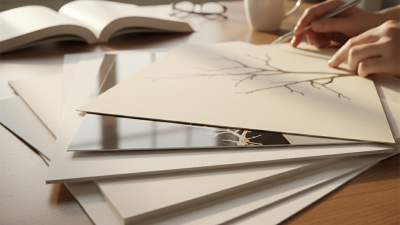
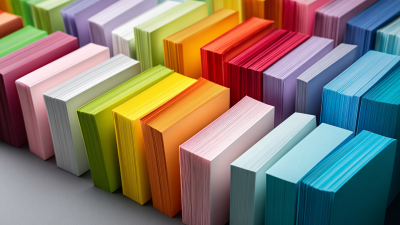
Different types of book paper can evoke various emotions. Think of the smooth touch of coated paper. It catches light and draws readers in. On the other hand, uncoated paper offers a tactile, organic feel. Each type serves a unique purpose and target audience. The weight, texture, and opacity of book paper impact readability and durability, making it essential for creators to experiment.
However, selecting the best book paper is often overlooked. Many authors focus solely on content, neglecting this vital component. Creativity should extend to paper choices, but costly mistakes can happen. The wrong paper can lead to dissatisfaction. Reflecting on this, creators might rethink their approach to book paper. It’s a blend of art and science that deserves attention.
The Importance of Choosing the Right Book Paper for Publishing Success
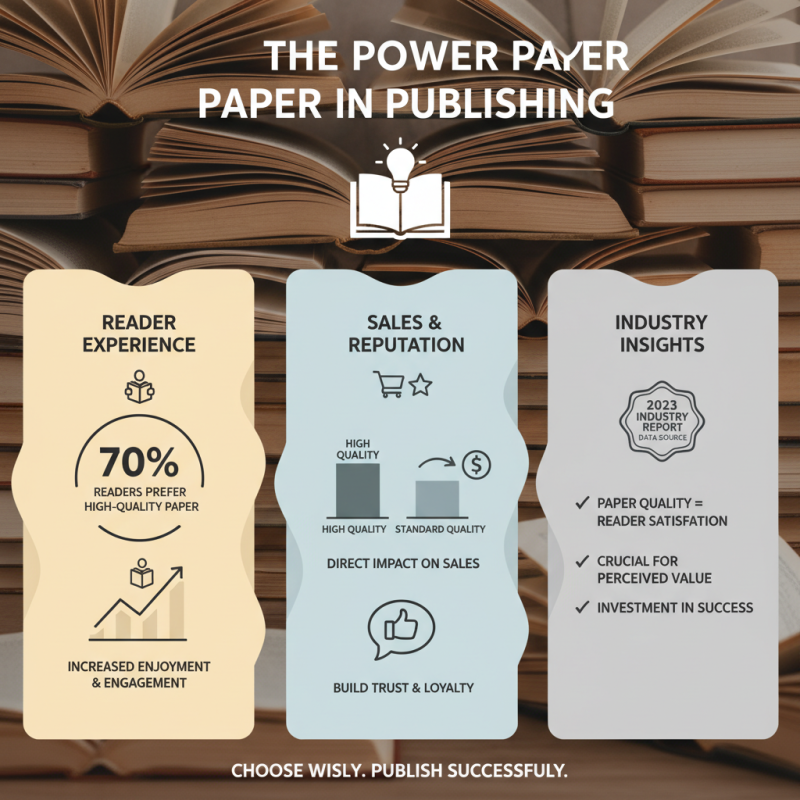
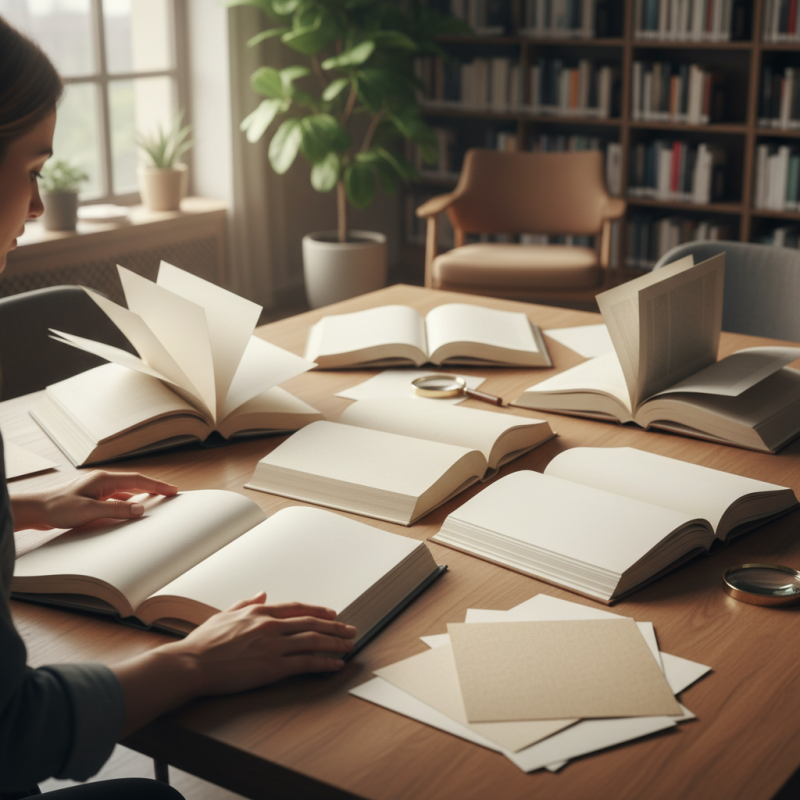
Choosing the right book paper is crucial in the publishing industry. Research shows that the paper quality directly impacts a reader's experience. According to a 2023 industry report, 70% of readers prefer books printed on high-quality paper. This preference can greatly affect sales and reputation.
Different genres may require different paper types. For example, novels often use uncoated paper, while art books benefit from glossy finishes. A recent survey indicated that 65% of publishers reported increased customer satisfaction when using suitable paper. Yet, many authors overlook this detail, leading to a disconnect with their audience.
It's essential to consider the tactile aspect of paper. The feel can influence a reader's emotional connection. A significant number of readers stated they would pay more for a well-produced book. However, some publishers still choose lower-quality options to cut costs. Balancing quality and affordability is a challenge. This decision could impact future publishing success.
Key Factors Influencing Paper Quality and Performance in Books
When considering book paper for 2026, several factors can greatly influence quality. The weight of the paper matters significantly. Heavier paper often feels more luxurious, but it can also increase production costs. Thin paper can save money but may not withstand wear and tear. Authors should think about how their work will be read and stored.
Another crucial element is brightness. Brighter papers enhance color vibrancy, making illustrations pop. However, excessive brightness can strain readers' eyes, particularly in extensive books. Finding the right balance can be a tricky task, requiring contemplation on the intended audience. The texture is equally important. Smooth finishes may appeal to readers who prefer a sleek feel, while rough textures can add character. Each choice presents unique challenges.
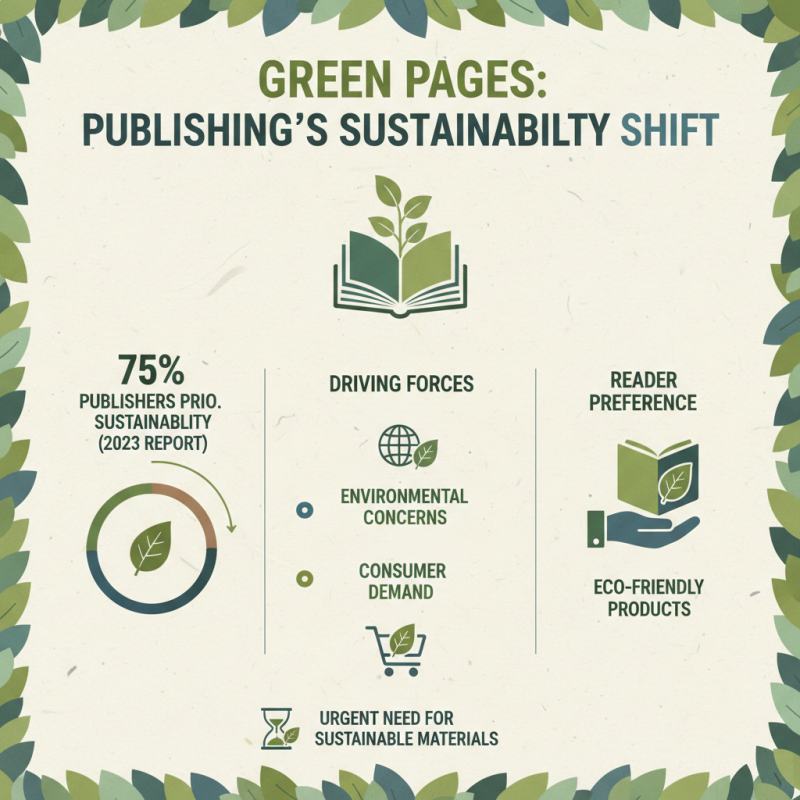
Environmental impact is also a pressing consideration. Many publishers strive for sustainability. Opting for recycled paper can reflect this commitment. Yet, recycled materials may not match the quality of virgin paper. Authors and publishers face tough decisions as they balance quality, cost, and environmental responsibility. Choosing the right paper can be a personal journey filled with reflection and compromise.
Comparative Study of Common Paper Types Used in Book Printing
When selecting paper for book printing, it’s essential to understand the strengths and weaknesses of common paper types. A recent report shows that uncoated paper dominates the market due to its versatility. It's lightweight and allows for better ink absorption, creating vibrant images and text. However, it can be prone to smudging and fading over time.
Coated paper offers a glossy finish, enhancing color saturation. Yet, it often comes at a higher cost. While coated options are great for photo-heavy books, they may not work well for text-heavy publications. A significant drawback is their eco-impact, as they cannot be recycled as easily as uncoated papers.
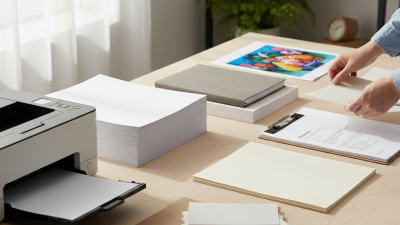
Tips: Evaluate the type of book you are printing. For novels, opt for uncoated paper to optimize readability. For art books, coated paper can bring images to life. Always conduct a print test to address any unforeseen issues before finalizing your decision. Remember, the best paper supports your vision but also reflects on your commitment to sustainability.
Future Trends in Book Paper Technology and Material Innovations for 2026
As we look toward 2026, the landscape of book paper technology is set for dramatic changes. The increasing emphasis on sustainability pushes manufacturers to innovate. Reports suggest that eco-friendly paper options could dominate 70% of the market by 2026. This trend includes recycled materials and papers sourced from sustainable forests. These innovations not only reduce environmental impact but also offer higher quality products.
Moreover, advancements in digital printing technology are influencing book paper types. A recent study indicated that 30% of publishers are adopting digital processes to meet on-demand production needs. This shift allows for greater customization and lower waste. However, challenges remain. Many still hesitate to embrace these changes due to cost concerns and the learning curve associated with new technologies.
Some features of future book papers may include enhanced durability and readability. Research predicts significant improvements in smoothness and brightness levels. Yet, balancing performance with environmental responsibility is complex. Manufacturers must consider the life cycle of paper products. It requires ongoing reflection about sourcing, production, and disposal methods. These considerations will ultimately shape the best types of book paper in 2026.