China Top Pos Rolls Innovations and Trends in the Market?
In the rapidly evolving market of Pos Rolls, innovation is paramount. Experts believe that staying ahead requires constant adaptation. John Smith, a leading authority in the Pos Rolls industry, stated, “Innovation is the pulse of our market.” His insight speaks volumes about the significance of embracing new technologies and trends.
The Pos Rolls sector is witnessing exciting transformations, driven by advancements in technology. Businesses are integrating digital solutions to enhance efficiency and meet consumer demands. For example, eco-friendly materials are gaining popularity, reflecting a shift in consumer preferences towards sustainability. Yet, many companies still struggle to keep pace with these changes. This gap raises questions about their adaptability.
The landscape is filled with opportunities, but challenges persist. Some firms overlook the importance of user-friendly designs. Simultaneously, inadequate research can lead to missed opportunities. The Pos Rolls market continues to evolve, urging all players to reflect on their strategies. Keeping up with innovation is no longer optional; it is essential for survival.

China's Market Landscape: Key Innovations Driving Growth in 2023
China's market landscape has been evolving rapidly in 2023. Key innovations are driving this growth. The technology sector stands out with advancements in artificial intelligence and data analytics. Many companies now utilize AI tools to enhance customer experiences. This transformation reshapes various industries, from retail to services.
Sustainable practices are also gaining traction. Businesses are increasingly adopting green technologies. Solar energy initiatives and waste reduction strategies are becoming common. However, not all companies are fully compliant yet. Some still struggle with integrating these sustainable practices effectively.
Consumer behavior is changing too. There’s a noticeable shift towards online shopping. Convenience and accessibility are paramount for modern customers. Still, issues such as online security remain a concern. Companies must address these vulnerabilities to build trust. As the landscape continues to shift, adaptability will be crucial for sustained growth.
China's Market Landscape: Key Innovations Driving Growth in 2023
| Innovation |
Description |
Impact on Market |
Year Introduced |
| AI-Driven Analytics |
Utilization of artificial intelligence to analyze consumer behavior and market trends. |
Increased efficiency in marketing strategies and improved customer targeting. |
2023 |
| E-commerce Integration |
Seamless integration of e-commerce platforms with traditional retail outlets. |
Boost in online sales and customer convenience. |
2023 |
| Sustainable Practices |
Adoption of eco-friendly materials and processes in production. |
Enhanced brand reputation and compliance with regulations. |
2023 |
| Blockchain Technology |
Implementation of blockchain for supply chain transparency. |
Increased trust among consumers and reduced fraud. |
2023 |
| 5G Connectivity |
Deployment of 5G networks to enhance mobile internet speed. |
Improved customer experience and opening of new business avenues. |
2023 |
Impact of Consumer Behavior on POS Innovations in China’s Retail Sector
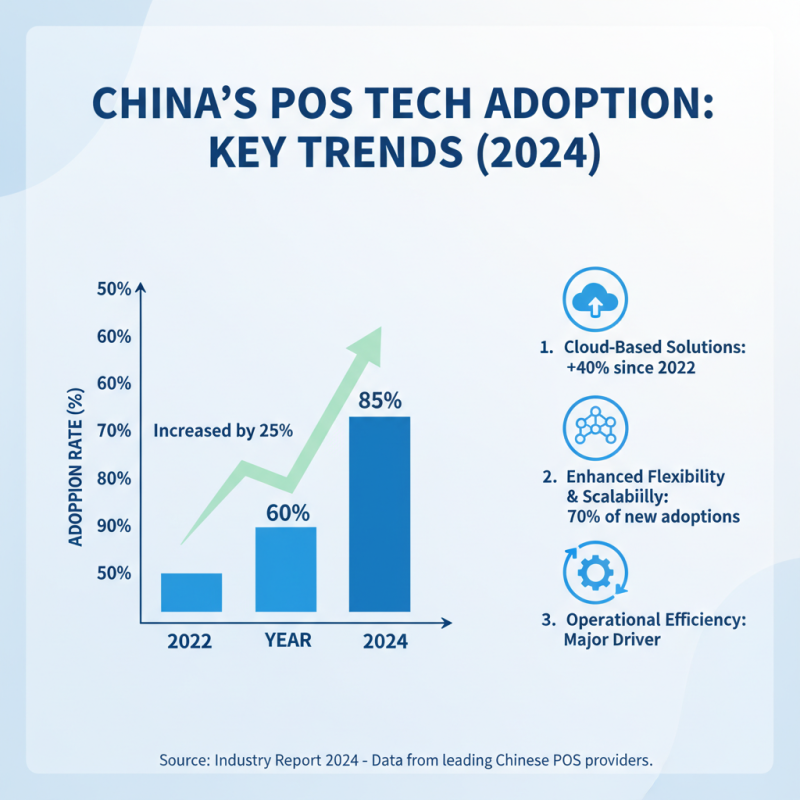
China's retail sector is undergoing significant changes. Consumer behavior heavily influences point-of-sale (POS) innovations. Shifts in buyer preferences have led to the adoption of more advanced technologies. Customers now favor seamless transactions, pushing retailers to enhance their POS systems.
Digital payment methods have surged in popularity. Many consumers prefer mobile payments over cash. This trend prompts retailers to implement contactless payment solutions. Despite the growing interest, some consumers still hesitate. Concerns over privacy and security remain prevalent. Retailers must address these issues to gain consumer trust.
Retailers face challenges in keeping pace with technological advancements. Innovations should focus not only on speed but also on security. Understanding consumer needs is essential for successful POS development. Balancing innovation with reliability is crucial. The evolution of POS systems in China reflects a complex interplay of consumer expectations and market dynamics.
Focus on Mobile Payments: Data on Market Penetration in China
Mobile payments in China have seen remarkable growth over recent years. The rise of smartphones has revolutionized how consumers make transactions. Data shows that over 80% of Chinese residents now use mobile payment platforms. This widespread adoption has shaped retail experiences everywhere.
However, there's a complex side to this trend. While mobile payments are convenient, some face challenges. Not all demographics are adopting the technology equally. Older generations often struggle with smartphone navigation. Additionally, security concerns linger. Users must constantly balance convenience with safety.
The market continues to evolve, reflecting changing consumer behaviors. Innovations like QR code payments were game-changers. They made transactions quick and simple. Yet, the digital divide still poses questions. Are all consumers receiving equal benefits? As we witness this shift, ongoing reflection is vital in addressing the gaps in accessibility and education.
Overview of Mobile Payment Market Penetration in China
Future Projections: Expected Trends in China's POS Industry by 2025
The future of China's POS (Point of Sale) industry is expected to be vibrant and innovative. By 2025, the market is projected to reach a value of over $50 billion, as reported by industry experts. This remarkable growth will be driven by advancements in technology and changing consumer behavior.
Digital payment methods are transforming the POS landscape. A survey indicated that 78% of consumers prefer contactless payments. This trend reveals a shift in how people interact with merchants. As a result, companies are investing in smart POS systems, integrating AI and data analytics. These technologies improve transaction speeds and enhance customer experiences. However, the rapid pace of innovation poses challenges. Many merchants struggle to keep up with these changes, risking obsolescence.
Moreover, cybersecurity remains a significant concern. As businesses adopt advanced POS systems, they expose themselves to data breaches. The Cybersecurity & Infrastructure Security Agency reported that 30% of small businesses close permanently after a cyberattack. Thus, security investments are crucial as part of the evolution. Creating a safe shopping environment is essential for consumer trust. These factors will shape the POS industry in the coming years, pushing companies to adapt continually.