Why Choose Thermal Receipt Printers for Your Business Needs?
When considering the best printing solutions for your business, thermal receipt printers stand out. These printers are essential for various industries, from retail to hospitality. They offer speed, efficiency, and reliability, making them a popular choice.
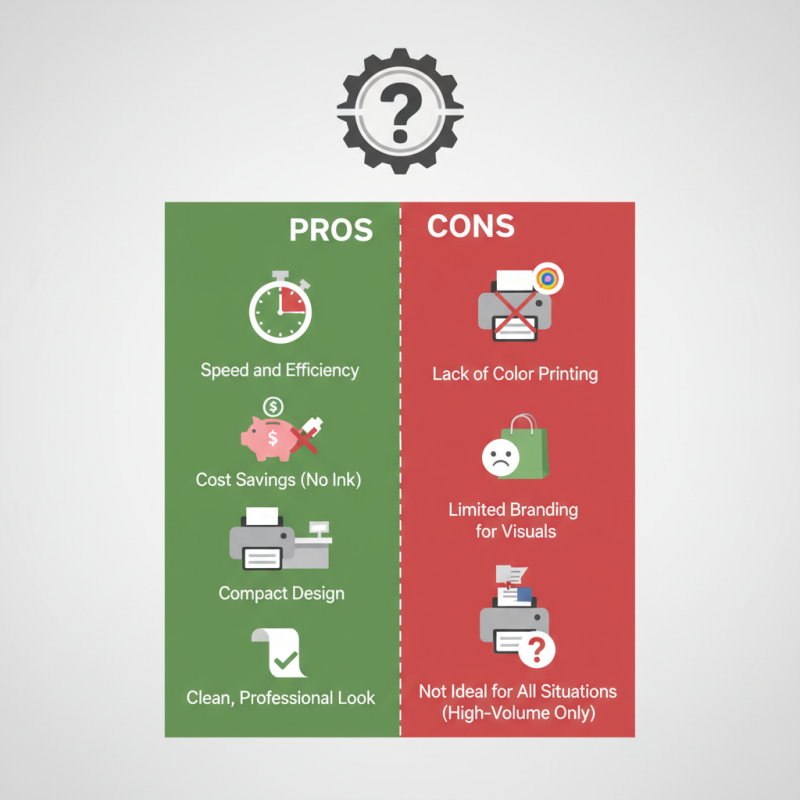
Thermal receipt technology uses heat to print, eliminating the need for ink or toner. This feature reduces costs over time. Additionally, thermal receipt printers are known for their compact designs, allowing them to fit seamlessly in limited spaces. Many businesses appreciate the clean, professional look of thermal printed receipts.
However, not every situation may suit thermal receipt printers. While they excel in high-volume environments, they sometimes lack color printing options. This might affect branding for businesses seeking vibrant visuals. Understanding these nuances will help in making an informed choice.
Understanding Thermal Receipt Printers: An Overview
Understanding Thermal Receipt Printers: An Overview
Thermal receipt printers are popular for businesses seeking efficiency and reliability. These printers use heat to create images on thermal paper. They offer reduced maintenance due to fewer moving parts. This makes them a smart choice for busy environments.
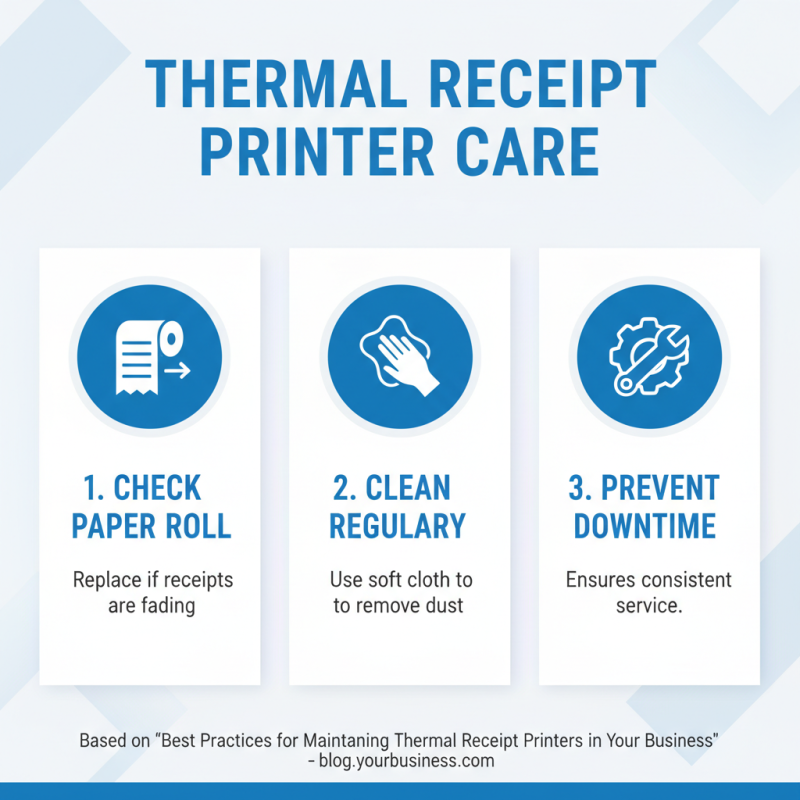
When using thermal printers, choose quality paper. Poor-quality paper can affect print clarity and longevity. Avoid paper that is too thin or has low thermal sensitivity. Consider printer placement too. Ensure it is dust-free to prevent malfunctions. A clean environment extends the printer's lifespan.
Not all thermal printers are equal. Some have limited connectivity options, which can hinder operation. Look for models that support both USB and wireless connections. This flexibility can enhance workflow. A good understanding of various options is essential for effective use of thermal printers.
Key Advantages of Using Thermal Receipt Printers for Business
Thermal receipt printers have become essential in various business environments, offering distinct advantages. They are known for their speed and efficiency. A thermal printer can produce a receipt in mere seconds. This quick output is crucial during peak hours, ensuring customers are served promptly.
The use of thermal technology also reduces ongoing costs. Unlike traditional printers, thermal printers require no ink or toner. Instead, they utilize heat to generate images on specially coated paper. This results in lower maintenance and supply costs over time. Businesses can allocate saved resources to other critical areas. However, businesses must consider paper quality. Using inferior paper can lead to fading text. This could affect receipt readability and customer satisfaction.
Moreover, thermal printers are highly reliable. They tend to have fewer moving parts, meaning less mechanical failure. This reliability is vital for businesses that cannot afford downtime. Yet, some challenges remain, like limited color printing options. If your business demands vibrant designs, thermal printers might not meet these needs. Balancing the pros and cons is key when selecting a printing method for your business.
Different Types of Thermal Receipt Printers Available Today
Thermal receipt printers are becoming increasingly popular in various business environments. They offer a range of options to suit different needs. Understanding these options can help businesses make informed choices.
There are several types of thermal receipt printers available today. Direct thermal printers are common for many retail and hospitality settings. They use heat to activate special thermal paper, minimizing maintenance costs. However, their prints may fade over time, which can be problematic for record-keeping.
Another popular option is thermal transfer printers. They use a ribbon to transfer ink onto the paper, producing more durable prints. These printers are ideal for businesses that require long-lasting receipts, like healthcare or logistics. Yet, they usually involve higher initial costs and additional maintenance. Evaluating the specific needs of your business can lead you to the right choice. It's important to consider the nuances that each type of printer brings.
Why Choose Thermal Receipt Printers for Your Business Needs?
| Printer Type |
Print Speed (mm/s) |
Paper Width (mm) |
Connectivity Options |
Ideal For |
| Direct Thermal Printer |
250 |
80 |
USB, Serial, Ethernet |
Retail, Restaurants |
| Thermal Transfer Printer |
150 |
100 |
USB, Bluetooth, Wi-Fi |
Logistics, Warehousing |
| Portable Thermal Printer |
100 |
58 |
Bluetooth, USB |
Field Services, Mobile Sales |
| Network Thermal Printer |
300 |
80 |
Ethernet, Wi-Fi |
High Volume Retail |
Considerations for Choosing the Right Thermal Receipt Printer
Choosing the right thermal receipt printer involves various considerations that can significantly impact your business operations. Begin with understanding the volume of receipts you expect to print. Reports estimate that businesses can experience a reduction in printing costs by up to 30% with efficient thermal printers. High-volume environments may need robust models that handle continuous operation without overheating.
Look into the printing speed, typically measured in millimeters per second (mm/s). Many thermal printers offer speeds ranging from 50 to 300 mm/s. For areas like restaurants, where speed is essential, choose a printer that can keep pace with high customer traffic. Reliability is also crucial. Research shows that failure rates in less reliable printers can be above 15%, leading to service interruptions.
Consider connectivity options, as flexibility is a key part of modern operations. A survey found that about 70% of businesses prefer printers that support multiple connection types—USB, Bluetooth, and Ethernet. This versatility aids in integrating systems seamlessly. Additionally, check for ease of use. Some printers feature user-friendly interfaces that reduce the learning curve for staff. Small details, like paper loading mechanism, can influence daily efficiency. Always research and reflect on specific needs before making a decision.