How to Choose the Best Thermal Coating Paper for Your Needs?
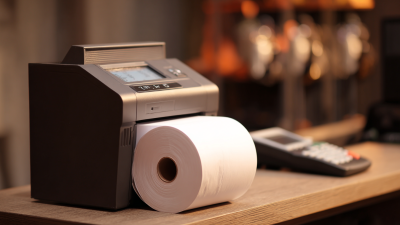
Choosing the right Thermal Coating Paper can greatly affect your printing results and overall efficiency. With numerous options available, selecting the best fit can be daunting. Industry expert Dr. Lisa Morgan, a renowned materials scientist, once stated, "The right thermal coating can transform not just the quality but also the efficiency of your operations."
Thermal Coating Paper is not just about the surface finish. It involves understanding the specific needs of your printing system. Whether you require high-speed printing or need durability under various conditions, your choice matters. Some may overlook the subtle differences in coating types and weights, leading to suboptimal results.
One common pitfall is assuming that all Thermal Coating Paper is the same. Variations can significantly affect compatibility with printers or impact image fidelity. Taking time to analyze these details can help avoid costly mistakes. When in doubt, seek expert advice. Understanding the nuances can lead to improved performance and satisfaction in your printing projects.
Understanding Thermal Coating Paper: Types and Applications
When considering thermal coating paper, it’s essential to understand its types and applications. Thermal coating paper primarily comes in two forms: direct thermal and thermal transfer. Direct thermal paper uses a heat-sensitive coating that reacts to heat from printers, making it ideal for short-term use. This type is often seen in receipts and labels. Thermal transfer paper, on the other hand, relies on a ribbon to transfer ink onto the paper’s surface, which is better suited for long-lasting applications.
Applications for these papers vary widely. For instance, direct thermal paper is common in point-of-sale systems for quick printing. However, it may not be suitable for environments where exposure to heat or sunlight is frequent. Conversely, thermal transfer applications are found in logistics and shipping labels where durability is critical. Reflecting on your needs is vital. Do you prioritize short-term use? Or is longevity more important for your business? By considering these factors, you can better choose the right thermal coating paper for your specific applications.
Thermal Coating Paper Types and Their Applications
This chart illustrates the various types of thermal coating paper and their common applications in percentage. Direct thermal paper is primarily used for standard receipt printing, thermal transfer is favored for labels, synthetic thermal is ideal for durable environments, and specialty thermal paper has specific applications such as wristbands or specific product tagging.
Key Factors to Consider When Selecting Thermal Coating Paper
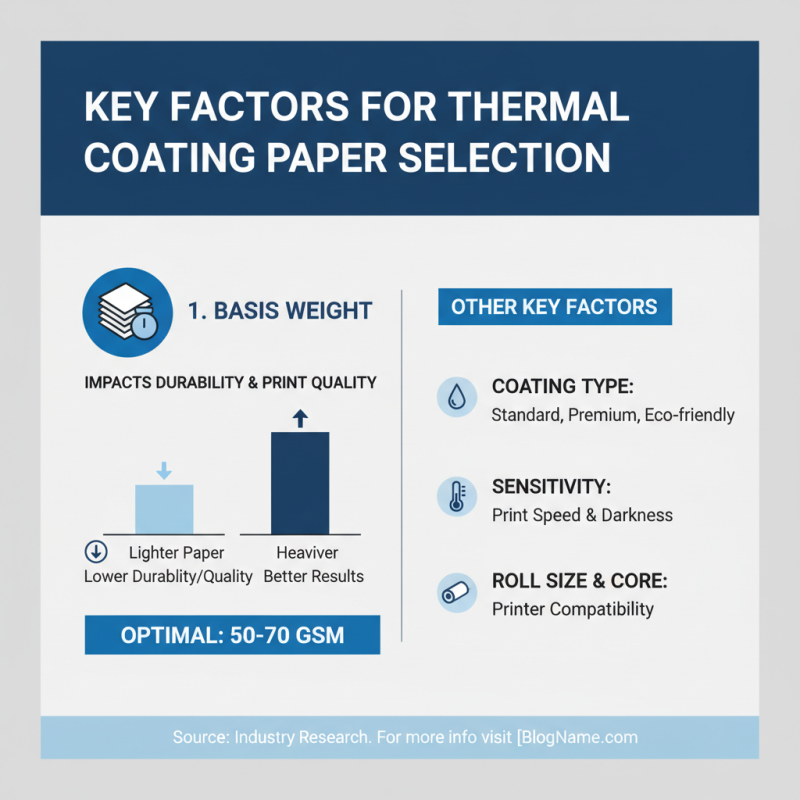
When selecting thermal coating paper, several key factors come into play. The first consideration is the paper's basis weight, which impacts durability and print quality. A heavier paper often yields better results. Industry research indicates that papers with a basis weight of 50-70 gsm tend to perform optimally for thermal printing.
Another critical factor is thermal sensitivity. Papers designed for low-temperature operation can be ideal for certain applications, especially in point-of-sale environments. However, these papers may fade quickly under high temperatures. According to recent market data, nearly 30% of users reported issues with paper fading under prolonged storage conditions. Understanding these traits can help avoid unnecessary complications later.
Additionally, optical density plays a significant role in print visibility. Papers with low optical density can result in lighter images. A study found that over 40% of users expressed dissatisfaction with image quality due to inadequate optical density. Choosing thermal coating paper involves weighing these considerations carefully, aiming for a balance between quality and application needs.
Evaluating Quality: How to Test Thermal Coating Paper Performance
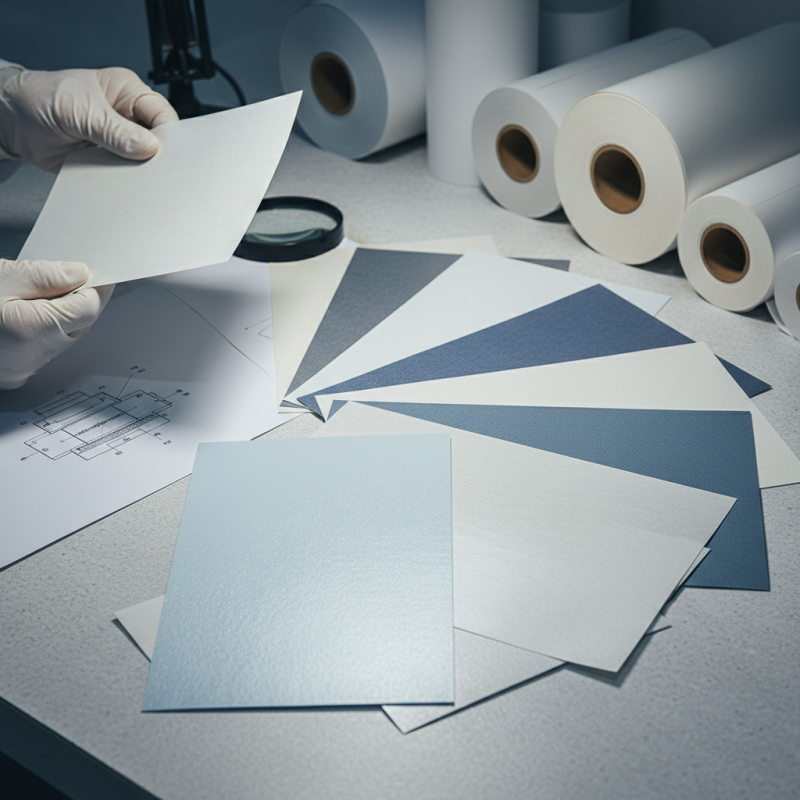
When evaluating thermal coating paper, performance testing is crucial. Begin by examining the paper's thermal sensitivity. A simple test involves using a heat source. Place a small section of the paper near the heat. Observe how quickly it reacts. Instant and vivid color change indicates good sensitivity.
Next, assess durability. It’s important to consider how well the paper withstands stress. Crumpling the paper can reveal weaknesses. If it tears easily, it may not meet your needs. Also, check for smudging. A good thermal coating paper should produce crisp prints that dry quickly. Conducting a fade test under sunlight will help ascertain long-term reliability.
Don't forget to analyze the print quality. High-resolution images should remain clear and distinct. Poor-quality paper might appear blurry or washed out. Ensure consistency across different prints. Variations may indicate underlying issues with the coating. Remember, testing is about finding out what works best for you, so keep your needs in mind.
Comparing Cost and Value: Finding the Right Price Point
Choosing the right thermal coating paper involves weighing cost against value. Each type of paper may differ in price, but not every option delivers equivalent performance. A lower cost doesn't always mean you’ll secure a good bargain. Sometimes, spending a little more can result in better durability and print quality.
When evaluating options, consider the specific needs of your projects. Look for paper that maintains clarity and withstands heat. Cheap papers might smudge or degrade over time. This can lead to unprofessional results, which might cost more in the long run. Reading reviews and user experiences can help. Understand what aspects of the paper really matter to you.
Many users find themselves stuck between budget constraints and quality demands. This often leads to regret after choosing a low-cost option. Reflecting on past experiences, striking a balance is essential. You may ask if the price aligns with your needs and expectations. Making an informed decision saves money and frustration later.
Sustainability Considerations in Choosing Thermal Coating Paper
When selecting thermal coating paper, sustainability is a crucial factor. Many people overlook the environmental impact of their choices. This paper often contains chemicals that can harm the ecosystem. Opting for eco-friendly options can make a difference. Look for products with certifications that ensure a lower environmental footprint.
Tips: Check for papers made from recycled materials. This can reduce waste and lower the demand for virgin resources. Additionally, consider the production processes. Some manufacturers prioritize sustainable practices, which can influence your decision.
Pay attention to the lifecycle of the product. After usage, how does the paper decompose? This aspect is often ignored but essential. Choose products that minimize waste and maximize efficiency. Sustainable choices not only benefit the planet but also enhance your brand's reputation.
How to Choose the Best Thermal Coating Paper for Your Needs? - Sustainability Considerations in Choosing Thermal Coating Paper
| Type of Thermal Coating Paper |
Sustainability Rating |
Recyclability |
Usage Applications |
Cost (per 1000 sheets) |
| Standard Thermal Paper |
Low |
No |
Receipts, Tickets |
$25 |
| Eco-Friendly Thermal Paper |
High |
Yes |
Receipts, Labels |
$40 |
| BPA-Free Thermal Paper |
Medium |
No |
Receipts, Invoices |
$30 |
| High-Resolution Thermal Paper |
Medium |
No |
Graphics, Photographic Prints |
$50 |
| Thermal Coating Paper with Water-Based Ink |
High |
Yes |
Labels, Stickers |
$45 |