How to Choose the Best Thermal Coating Paper for Your Needs?
Choosing the right Thermal Coating Paper is crucial for various applications, from receipts to labels. The thermal paper market was valued at USD 4.6 billion in 2022 and is expected to expand. This growth is driven by industries requiring high-quality printing solutions. However, selecting the right type can be complex.
Thermal Coating Paper comes in different grades and coatings. Each type meets specific needs. For example, some are designed for high-speed printing, while others resist smudging and fading. According to recent market analysis, the demand for eco-friendly thermal paper has increased as companies seek sustainable options.
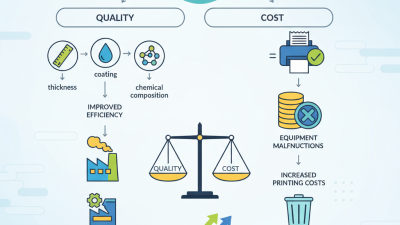
Understanding your requirements is key. A mismatch can lead to inefficiencies and increased costs. Moreover, the choice of coating affects longevity and print quality. Poor choices can lead to deterioration or poor performance in critical use cases. Making an informed decision is essential for maximizing value and functionality.

Understanding Thermal Coating Paper: Definition and Types
Thermal coating paper refers to a specialized type of paper that is coated with a heat-sensitive material. This coating transforms the paper into a printing medium for thermal printers. These printers are widely used in retail, logistics, and various industries due to their speed and efficiency. According to the market analysis by Grand View Research, the global thermal paper market was valued at USD 3.63 billion in 2020 and is anticipated to expand at a compound annual growth rate (CAGR) of 4.5% from 2021 to 2028.
There are two main types of thermal coating paper: direct thermal paper and thermal transfer paper. Direct thermal paper relies solely on the heat from the printer for image formation, making it ideal for short-lived applications such as receipts. On the other hand, thermal transfer paper requires a ribbon to transfer ink to the paper, which provides better durability and longevity, making it suitable for labels and tags. According to industry reports, almost 60% of thermal paper users prefer direct thermal options for their simplicity and quicker setup.
When selecting thermal coating paper, consider environmental aspects, as improper disposal can lead to more waste. Some thermal papers contain Bisphenol A (BPA), a chemical that raises health concerns. Many suppliers have started offering BPA-free options, reflecting a growing awareness within the industry. Understanding these types and their appropriate uses is essential for making informed decisions.
Key Factors to Consider When Choosing Thermal Coating Paper
When selecting thermal coating paper, several key factors play a critical role. Understanding the thermal sensitivity of the paper is essential. This sensitivity determines how the paper reacts to heat. Different applications may require varied levels of sensitivity. It’s important to assess the specific needs of your project.
Another factor is the coating type. The surface texture affects the print quality. A smoother coating often allows for sharper images and clearer text. On the other hand, rougher coatings may be more suitable for certain applications requiring durability. Consider your intended use before making a choice.
Additionally, look into the paper's weight and thickness. Heavier papers usually offer greater strength and can withstand handling better. This can be crucial in environments where durability is necessary. Remember, finding the right thermal coating paper involves weighing these factors carefully to ensure optimal performance.
Key Factors to Consider When Choosing Thermal Coating Paper
This chart illustrates the importance rating of various factors such as Durability, Heat Resistance, Cost, Print Quality, and Availability when selecting thermal coating paper. The scores range from 1 to 10, indicating the relative importance of each criterion.
Comparing Performance Characteristics of Different Thermal Coatings
When selecting thermal coating paper, understanding its performance characteristics is essential. Various coatings offer different durability, sensitivity, and longevity. For example, studies indicate that papers with a higher thermal sensitivity provide quicker response times. This is crucial for applications requiring rapid printing, such as receipts and labels.
Different thermal coatings also vary in their resistance to environmental factors. Papers coated with advanced formulas demonstrate better resistance to heat and moisture. Reports show that moisture-resistant papers can decrease smudging and fading, maintaining print clarity. This is particularly important for items exposed to varying conditions, such as shipping labels or outdoor signage.
Yet, not all coatings are perfect. Some may require specific printing technologies to achieve optimal results. Users often encounter inconsistencies in performance based on machine compatibility. Research reveals that improper pairing of paper and printer can lead to significant quality issues. Users should consider these variables carefully to ensure they choose a coating that aligns with their specific requirements.
Applications of Thermal Coating Paper in Various Industries
Thermal coating paper plays a vital role across various industries. In retail, it is used for receipt printing. Store owners rely on this paper for efficient transactions. The quality of thermal paper affects print clarity and durability. Low-quality options may lead to fading, causing customer frustration. Being aware of these details is essential for business owners.
In the logistics sector, thermal paper is crucial for shipping labels. Accurate labels ensure packages reach the right destinations. Misprinted labels can hinder operations and lead to delays. Companies often prioritize clear, reliable printing. It is surprising how often businesses overlook the importance of paper quality in their processes.
Healthcare also heavily relies on thermal coating paper. It is used for patient records and lab results. Clear, readable prints are necessary for patient safety. Any ambiguity can result in serious consequences. Investing in quality thermal paper may seem trivial, yet it bears significant weight on outcomes. This illustrates the necessity of evaluating applications carefully before making a selection.
Tips for Sourcing Quality Thermal Coating Paper Products
Choosing the right thermal coating paper can significantly impact your printing quality and overall productivity. When sourcing quality thermal coating paper, consider factors such as durability, printing performance, and compatibility with different printer types.
One key tip for sourcing is to evaluate the paper’s thickness and texture. A thicker paper often promises better durability but might not always be suitable for your printer. Test samples before making large purchases. This ensures that the paper meets your needs and provides satisfactory print results.
Another important consideration is the source of the product. Partnering with reputable suppliers can save you future headaches. Look for suppliers with proven experience and customer testimonials. Quality assurance and reliable customer service are essential for building a trustworthy relationship. Always inquire about their quality control processes.
Additionally, remember to consider the environmental impact of your choices. Seek papers made from sustainable resources. Balancing quality with eco-friendliness demonstrates responsibility in sourcing decisions. Keep these tips in mind as you navigate your options in thermal coating paper.