How to Choose the Best Thermal Paper Rolls for Your Business?
Choosing the best Thermal Paper Rolls for your business can significantly impact your operations. According to industry expert Mark Henderson, "The right thermal paper can enhance print quality and reduce costs." His insight highlights the importance of selecting the most suitable thermal paper for specific needs.
Thermal Paper Rolls vary widely in quality and application. Businesses that rely heavily on receipts, labels, or tickets must assess their unique requirements. Factors include print clarity, durability, and sensitivity to heat. A poor choice might lead to smudged prints or increased expenses.
Careful consideration is essential when purchasing. Not all thermal paper is created equal. Look for reputable suppliers, and don’t hesitate to ask for samples. Verify print quality and performance in real conditions. Investing time in research may save your business from future headaches. Keep in mind that the cheapest option may not always be the best in the long run.
Understanding Thermal Paper: Types and Their Uses
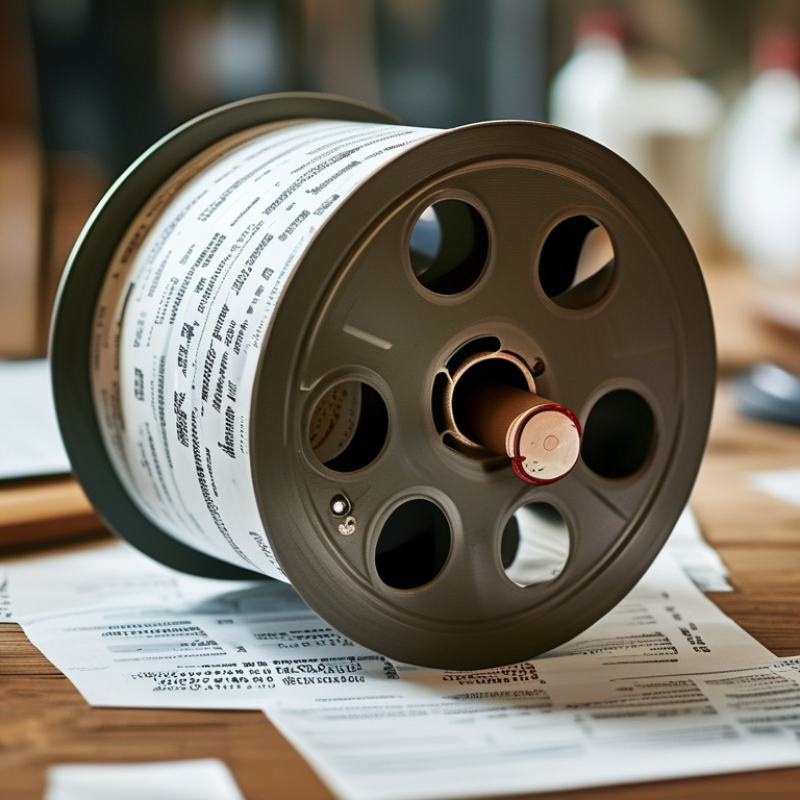
Thermal paper is widely used in various business applications, such as receipts and labels. There are several types of thermal paper, each tailored for specific uses. For instance, direct thermal paper is most common for point-of-sale systems. Its special coating reacts to heat, producing clear images without needing ink. However, it may fade over time and can be vulnerable to heat and direct sunlight.
On the other hand, thermal transfer paper requires a ribbon. This type is more durable and can withstand environmental factors better than direct thermal paper. It's ideal for high-volume printing needs and barcodes. Businesses should assess the longevity and quality of printed materials when choosing between these options.
Choosing the wrong type can lead to issues. Faded receipts can frustrate customers. It’s essential to evaluate your specific needs based on the applications of your business. Reflect on what matters most: cost, durability, or print quality. Each type of thermal paper has its pros and cons. Understanding these nuances can lead you to the right choice for your business.
How to Choose the Best Thermal Paper Rolls for Your Business? - Understanding Thermal Paper: Types and Their Uses
| Type of Thermal Paper |
Uses |
Width (mm) |
Length (m) |
Thickness (mm) |
Coating Type |
| Standard Thermal Paper |
Receipts, Tickets |
80 |
70 |
0.1 |
Single-sided |
| Water-resistant Thermal Paper |
Outdoor Use, Shipping Labels |
100 |
50 |
0.08 |
Both-sided |
| High-Quality Thermal Paper |
High-end Receipts, Invoices |
76 |
100 |
0.06 |
Single-sided |
| POS Thermal Paper |
Point of Sale Systems |
57 |
30 |
0.07 |
Single-sided |
Key Factors to Consider When Selecting Thermal Paper Rolls
When selecting thermal paper rolls for your business, several key factors warrant consideration. One crucial element is the thermal coating quality. High-quality thermal paper typically features a stable coating, resulting in clear, long-lasting prints. According to industry reports, using inferior quality paper can lead to a 30% increase in print failures, disrupting business operations.
Another significant aspect involves roll size and compatibility. It’s essential to ensure that the paper rolls fit your devices correctly. An improper fit can lead to issues such as paper jams and increased wear on printers. Research indicates that over 25% of businesses experience productivity losses due to incorrect thermal roll sizes.
Environmental sustainability is also becoming paramount. More businesses are opting for eco-friendly thermal paper rolls. Reports highlight that sustainable papers often yield less waste, appealing to environmentally conscious consumers. However, some businesses struggle to find reliable suppliers of such products. Exploring certifications and supplier reputations can help mitigate this concern. Balancing quality, compatibility, and environmental impact requires careful attention and ongoing evaluation.
Evaluating Quality: Thickness, Coating, and Print Features
When evaluating thermal paper rolls for your business, thickness is crucial. Thicker paper generally offers better durability. It resists tearing and fading over time. A standard thickness is around 50 to 60 microns, but this can vary. If your application requires longevity, opt for rolls at the higher end of the scale. This choice translates into reducing frequent replacements.
Coating is another vital element to consider. The coating affects print quality and smudge resistance. High-quality thermal paper typically features a smooth coating. This feature ensures sharp, clear images and text. However, not all coated papers are the same. Some may not perform well in varying temperatures or humidity levels. Evaluating the paper in your work environment is essential to understand its reliability.
Print features contribute significantly to the overall experience. Look for papers that provide high contrast for better readability. Uneven printing or fading can lead to frustration. Sometimes, the lowest price leads to poor print quality. Balancing cost and quality is key. Gather samples and experiment. Different printers may yield varying results. Adjusting your selection approach based on real-world tests will ensure you find the best thermal paper for your needs.
Choosing the Best Thermal Paper Rolls for Your Business
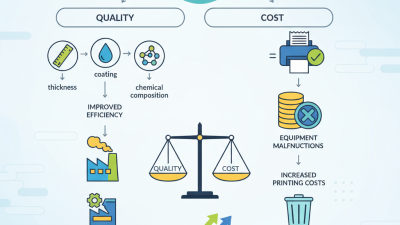
This chart evaluates different thermal paper rolls based on thickness, coating quality, and print durability. Each category represents a vital aspect of what makes the thermal paper suitable for various business needs.
Matching Thermal Paper to Your Business Needs and Equipment
When selecting thermal paper for your business, aligning the specifications of the paper with your operations is crucial. Thermal paper comes in various weights, sizes, and coatings. For instance, a thicker paper might be more durable for heavy-duty printers but could lead to paper jams in lighter equipment. According to a 2022 industry report, over 40% of businesses experience operational delays due to incompatible paper choices.
The compatibility of thermal paper with your printing equipment is also a significant factor. Some printers work better with specific coatings. A study revealed that the right paper can extend the lifespan of thermal printers by up to 30%. Users often overlook this aspect, potentially leading to increased maintenance costs. Choosing the correct roll size is equally important; 30% of users waste paper and money by selecting the wrong diameter or width.
Additionally, consider your business needs. For restaurants, fast write times are essential, while retail environments may prioritize high-quality prints. Choosing paper based on environmental impact is also becoming a priority. A 2023 survey found that 60% of consumers prefer businesses using eco-friendly paper. These considerations can shape your branding while also ensuring efficient operations.
Comparing Costs: Budgeting for Thermal Paper Supplies
When budgeting for thermal paper supplies, understanding costs is crucial. According to industry reports, thermal paper makes up approximately 30% of printing supplies expenses for retail businesses. Prices can vary based on quality and supplier, making it vital to assess options carefully.
A report from the Thermal Paper Association indicates that average costs for rolls range from $15 to $50 per 100 rolls. Businesses that choose lower-cost options often underestimate potential issues, like print quality degradation or faster equipment wear. Spending slightly more on higher-quality paper may prevent future costs related to maintenance and reprints.
It's essential to factor in not just the up-front costs, but also the long-term savings associated with using reliable supplies. Businesses can face hidden expenses from downtime due to paper jams or misprints. Investing in quality thermal paper might initially seem costly, but the return on investment through improved efficiency can be significant. Balancing initial costs with potential long-term benefits is key to optimizing budget allocations.