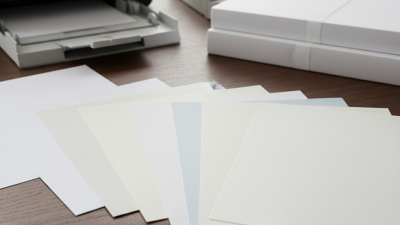
When it comes to printing, selecting the right A4 paper is crucial to achieving optimal results. The diverse range of available A4 paper types can significantly impact the quality, texture, and durability of your prints. Whether you are printing professional documents, presentations, or creative projects, understanding the distinct characteristics of various A4 paper options will enable you to make informed decisions that cater to your specific printing needs.
In this guide, we will explore the key factors you should consider when choosing A4 paper. From weight and thickness to brightness and finish, each element plays a vital role in determining the overall look and feel of your printed materials. By delving into the various types of A4 paper available, you can ensure that your printing projects not only meet your expectations but also leave a lasting impression. Whether you are seeking standard copy paper, high-quality glossy sheets, or eco-friendly alternatives, knowing what to look for will streamline your selection process.
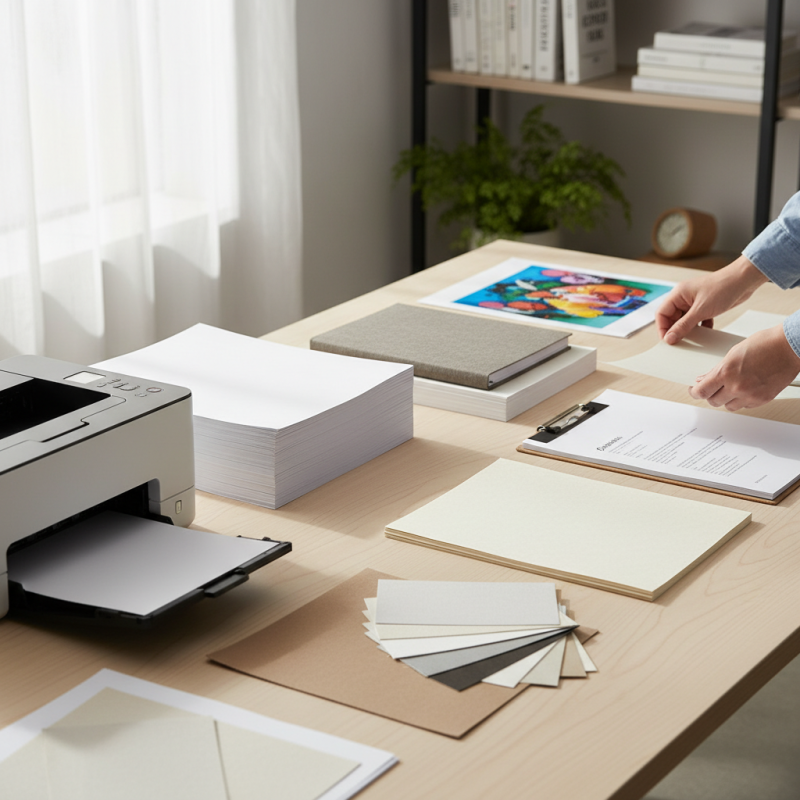
When selecting A4 paper for printing needs, it is essential to comprehend the various sizes and specifications that classify this popular paper format. A4 paper, measuring 210 mm by 297 mm (8.27 inches by 11.69 inches), is widely used for documents, correspondence, and various printing tasks. Understanding the exact dimensions is crucial, as this size is standardized in many countries, making it a preferred choice for both personal and professional use.
In addition to size, other specifications such as paper weight, brightness, and finish play a significant role in the performance of A4 paper. Paper weight, measured in grams per square meter (gsm), typically ranges from 70 gsm for standard printing to 300 gsm for card stock. The choice of weight affects ink absorption and print quality. Brightness levels can influence the clarity and vibrancy of printed images, with higher brightness providing sharper contrast. Lastly, the finish—whether matte, glossy, or satin—can alter the aesthetics of printed materials and should be determined based on the intended purpose of the document.
By considering these specifications, users can effectively select the right A4 paper that aligns with their specific printing needs.

When it comes to selecting the right A4 paper for printing, understanding the different types available can significantly impact your final result. Among the most popular options are glossy, matte, and textured papers, each serving distinct purposes. Glossy paper is often favored for color-rich prints like photos and marketing materials due to its sleek finish that enhances vibrancy. According to a recent industry report by Smithers Pira, glossy paper can increase perceived print quality by up to 20%, making it an excellent choice for high-impact visuals.
On the other hand, matte paper offers a more subtle finish, making it suitable for text-heavy documents and professional presentations. Its non-reflective surface improves readability, ensuring that printed materials maintain a polished and sophisticated appearance. Furthermore, matte finishes are less prone to fingerprints and smudging, which is crucial in maintaining the integrity of important documents. Research from the Paper and Packaging Board indicates that matte paper usage has risen by 15% over the past five years, as more businesses acknowledge its benefits for professional communication.
Textured paper, featuring unique finishes like linen or canvas, adds a tactile dimension to print projects, making it ideal for invitations, greeting cards, or art prints. The distinct feel can invoke a sense of quality and hand-crafted appeal, enhancing the emotional connection with the recipient. When choosing textured options, consider the intended audience and purpose, as they can evoke different reactions depending on the context.
Tips: Always test print samples of different paper types to see which aligns best with your printing needs. Additionally, pay attention to the ink compatibility of the paper to ensure optimal results.
| Paper Type | Finish | Best For | Weight (GSM) | Color Options |
|---|---|---|---|---|
| Glossy | Shiny, Reflective | Photos, Brochures | 180-250 | White, Colorful |
| Matte | Non-Reflective | Reports, Presentations | 90-300 | White, Cream |
| Textured | Rough Texture | Arts & Crafts, Invitations | 160-300 | Natural, White |
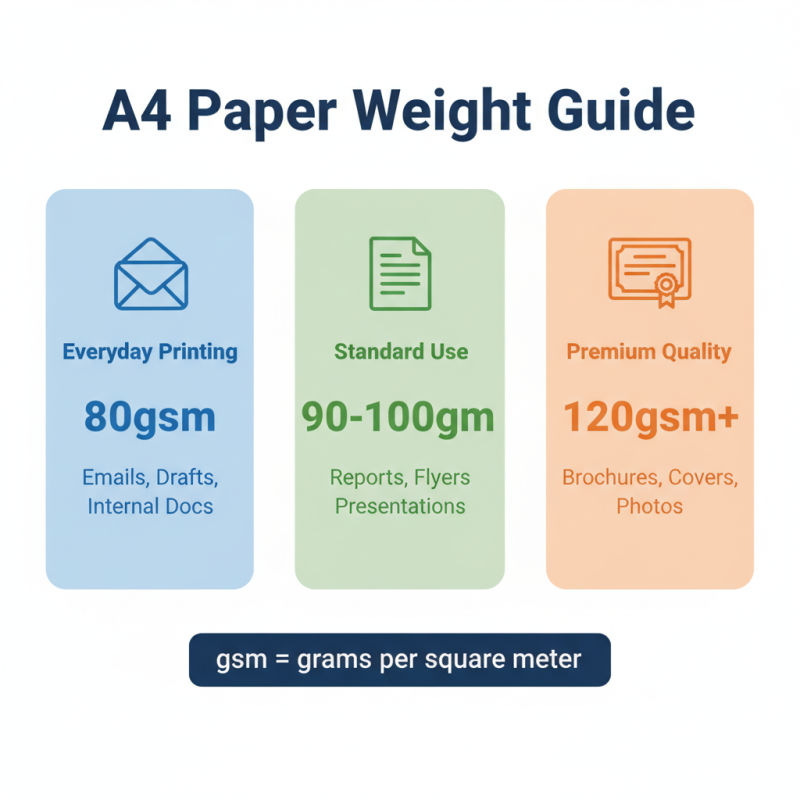
When it comes to selecting the right A4 paper for your printing needs, understanding paper weight is crucial. Paper weight, often measured in grams per square meter (gsm), indicates the thickness and sturdiness of the paper. For everyday printing tasks, such as emails or internal documents, a lower weight paper, typically around 80gsm, can suffice. This weight offers a good balance between cost and print quality, ensuring that text remains clear without being overly bulky.
However, if you aim to produce high-quality prints, such as color presentations or professional documents, opting for heavier paper—like 200gsm or more—is advisable. Heavier paper not only elevates the perception of your printed materials but also reduces the risk of bleed-through, allowing for crisper images and vibrant colors. Additionally, thicker paper can withstand handling better, making it ideal for brochures, flyers, or invitations. Thus, selecting the appropriate paper weight will directly impact the overall quality and effectiveness of your printed outputs, allowing you to meet specific communication goals successfully.
When selecting A4 paper for your printing needs, one crucial consideration is whether to choose eco-friendly or standard options. Eco-friendly A4 paper, typically made from recycled materials or sustainably sourced wood pulp, is designed for those who prioritize environmental conservation. This type of paper often undergoes fewer chemical processes, resulting in lower emissions and reduced waste. If your printing tasks involve high-volume use and you aim to decrease your ecological footprint, eco-friendly paper can be an excellent choice, promoting a greener office environment.
On the other hand, standard A4 paper, while not specifically marketed as eco-friendly, offers consistency and reliability for everyday printing tasks. It tends to be less expensive and available in a wide range of weights and finishes, making it a versatile option for various printing needs, from reports to flyers. If your focus is on high-quality printing—particularly in color—the brighter whiteness of standard paper can enhance the vibrancy of your printed images and texts. Ultimately, the choice between eco-friendly and standard A4 paper depends on your printing requirements and your commitment to sustainability.
When selecting the right A4 paper for your printing needs, it is essential to consider the specifications of your printer to ensure optimal performance and output quality. Most inkjet and laser printers have recommended paper weights and types that significantly affect print quality. According to a report from the Technical Association of the Pulp and Paper Industry, using the correct paper weight (typically ranging from 70 to 120 gsm for A4 paper) can enhance the print clarity and prevent issues like paper jams and smudging.
Tips for Matching A4 Paper to Your Printer's Requirements: Firstly, consult your printer's user manual for specific paper weight and type recommendations. Generally, inkjet printers perform well with coated paper to achieve vibrant colors, while laser printers are better suited for uncoated or matte paper. Secondly, check the paper brightness, which is measured on a scale from 1 to 100; higher brightness (above 90) yields sharper text and images, making it ideal for professional presentations. Lastly, consider the finish of the paper—glossy for photographs and matte for documents; this can significantly impact the final appearance of your prints.
Aligning your choice of A4 paper with these guidelines can improve your overall printing experience. By being mindful of your printer's requirements and selecting appropriate paper, you can achieve better results that meet both professional standards and personal expectations.