How to Choose the Best Bond Paper for Your Printing Needs?
Choosing the right Bond Paper can significantly enhance your printing outcomes. John Smith, a renowned paper expert, notes, "The right Bond Paper can transform even the simplest print job into something special." The variety of Bond Paper available can make this decision challenging.
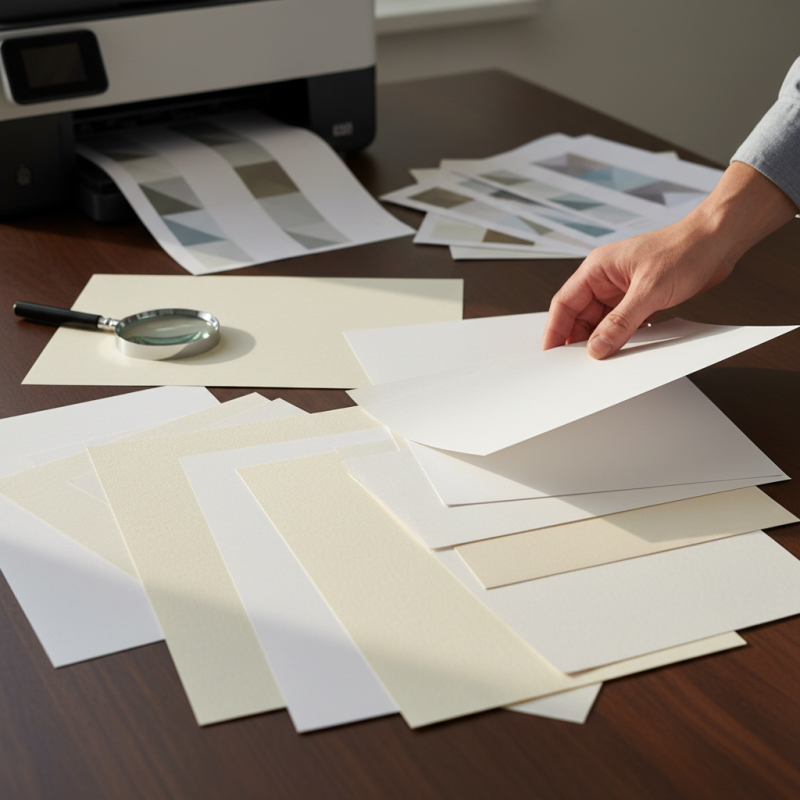
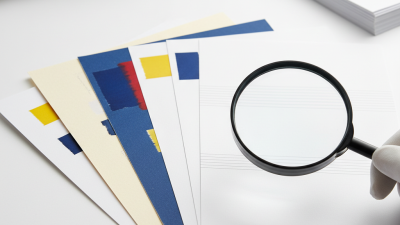
Many factors influence your choice, such as weight, brightness, and texture. A heavier weight often supports a richer print quality. Yet, not all users consider these aspects. It's essential to be mindful of what specific features best suit your printing projects.
Many individuals overlook the importance of texture and finish. These qualities can impact ink absorption and color fidelity. Experimenting with different types of Bond Paper can lead to surprising results. Ultimately, being informed about the nuances of Bond Paper can elevate your printing experience.
Understanding Bond Paper Types and Their Characteristics
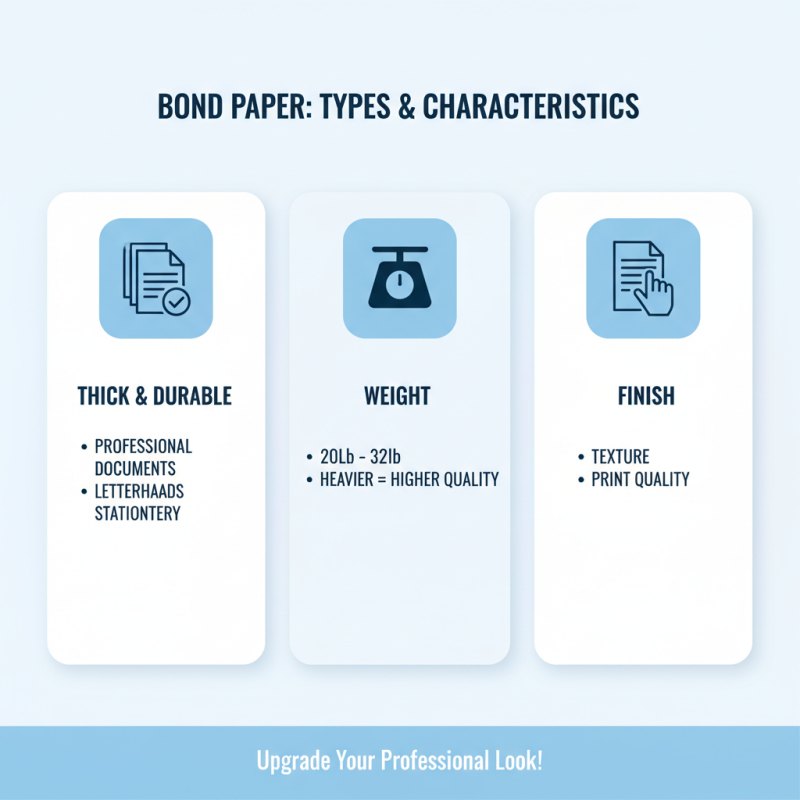
When selecting bond paper, understanding the types and their unique characteristics is vital. Bond paper is typically thicker and more durable than standard printer paper. It is ideal for professional documents, letterheads, and stationery. Common weights range from 20lb to 32lb, with heavier weights conveying a sense of quality. The finish can vary too, affecting both texture and print quality.
There are several types of bond paper, each serving different purposes. For instance, smooth bond paper provides a clean surface for crisp text and graphics. In contrast, textured bond paper adds a tactile dimension, which is appealing for presentations. While a higher-quality bond paper often yields better results, it is essential to consider the printer's capabilities. Not all printers handle thicker stocks well, leading to potential issues.
Color options also play a role in choosing bond paper. White is classic, but pastel shades can enhance visual interest. Experimenting with colors can sometimes lead to unexpected surprises. However, mixing and matching papers can also be tricky. It's worthwhile to test samples before making larger purchases. Understanding the characteristics of various bond papers can guide you in making informed decisions related to your printing needs.
Factors to Consider When Selecting Bond Paper for Printing
Choosing the best bond paper for your printing needs involves several critical factors. One key aspect is the paper's weight, measured in grams per square meter (GSM). A heavier paper, typically ranging from 90 to 120 GSM, offers durability and a professional look. According to industry reports, 80 GSM is standard, but opting for thicker paper can enhance the perception of quality in business communications.
Another important consideration is the finish of the bond paper. The surface can be smooth or textured, impacting print results. Smooth finishes are ideal for high-resolution images and sharp text, while textured surfaces add character but may slightly reduce print clarity. Research shows that countless businesses prefer smooth finishes for professional documents, as they convey a clean image.
Tips: Always test paper samples before bulk purchasing. This allows you to assess how your printer handles the specific bond paper. Pay attention to color reproduction, ink absorption, and overall feel. Additionally, keep in mind the environmental aspect. Selecting recycled bond paper can support sustainability goals. Ultimately, understanding these factors will aid you in selecting the right bond paper tailored to your unique printing demands.
How to Choose the Best Bond Paper for Your Printing Needs?
| Factor |
Description |
Recommended Use |
| Weight |
Measured in GSM (grams per square meter), affects how sturdy the paper feels. |
For formal documents and presentations. |
| Thickness |
Affects the durability and quality of the print. |
For high-quality printing, such as brochures. |
| Finish |
Can be smooth, textured, or glossy; impacts the look and feel of the printed product. |
For artistic prints or business cards. |
| Opacity |
Determines how much light passes through the paper, affecting visibility of prints on both sides. |
For double-sided printing or newspaper production. |
| Color |
Available in various colors other than white which adds to aesthetic appeal. |
For creative projects or arts and crafts. |
| Compatibility |
Ensure the paper is suitable for the type of printer being used (inkjet/laser). |
For home printing or commercial use. |
Assessing Weight and Thickness for Optimal Print Quality
When selecting bond paper for printing, weight and thickness are crucial elements. The weight of the paper, typically measured in grams per square meter (GSM), determines its sturdiness. For high-quality prints, a weight of 80-100 GSM is often ideal. This range offers durability without being overly thick, making it suitable for various printing needs.
Thickness plays a significant role in print quality, affecting ink absorption and finish. Thicker paper can produce richer colors, but may not be compatible with all printers. A standard thickness of 0.1 to 0.2 mm works well for most applications. Consider the printer type; some struggle with thicker materials.
Tips: Always test a few sheets before committing to a bulk purchase. It’s wise to check how your selected paper interacts with inks and printers. Remember, a well-chosen paper can elevate your print projects, but not every kind works universally. Finding the right balance of weight and thickness takes patience and experimentation.
Evaluating Finish and Texture for Specific Printing Projects
Choosing the right bond paper can significantly impact your printing project. When evaluating finish and texture, consider how these elements influence your printed results. A matte finish, for example, absorbs ink well and reduces glare, making it suitable for documents requiring readability. According to a report by the Printing Industries of America, matte papers often yield 30% better clarity than glossy options in text-heavy prints.
Texture is another critical factor. Smooth papers are ideal for detailed images, while textured options can enhance the tactile appeal of invitations or business cards. Research shows that textured papers can boost perceived quality by up to 25%, making them a worthwhile investment for presentations. However, selecting the right combination of finish and texture is not always straightforward. Sometimes, a highly textured paper may create challenges with color accuracy or ink distribution.
Keep an eye on the weight of the paper as well. A heavier bond paper can support vibrant prints but may also introduce issues with printer feed mechanisms. Balancing weight, finish, and texture requires experience and careful consideration. Many professionals often experiment with samples before making a final decision. Understanding these nuances improves the outcome of printing projects and helps avoid costly mistakes.
Sourcing and Comparing Bond Paper Brands and Prices
When considering bond paper for your printing needs, sourcing and comparing brands is essential. The market offers various options that cater to different budgets and requirements. According to industry reports, the demand for quality bond paper continues to grow. This growth is driven by businesses prioritizing print quality.
Many factors influence the choice of bond paper. Consider the weight, brightness, and texture of the paper. A heavier weight often results in a more professional feel. Brightness levels can significantly affect color reproduction, something vital for high-quality prints. When comparing costs among brands, pay attention to bulk purchasing options. Buying in larger quantities often yields cost savings.
Tip: Always request samples before making large purchases. This allows you to evaluate the paper's compatibility with your printer and the final output quality.
Price variations can be notable. Industry data shows that prices can range from $20 to $100 or more per carton, depending on quality and brand reputation. Don’t overlook lesser-known brands; they might provide competitive pricing with equivalent quality.
Tip: Regularly review your choices. Be open to testing new brands. This practice can lead to discovering better quality at lower prices.
Bond Paper Weight Comparison for Printing Needs