What is Copy Paper and How to Choose the Best Type for Your Needs
Copy paper is an essential item in both office and home settings, serving a multitude of functions from printing important documents to crafting creative projects. Understanding what copy paper is and the various types available can greatly enhance your printing experience. With a range of weights, sizes, and finishes to choose from, selecting the right copy paper can ensure optimum print quality and durability, catering to diverse needs whether you're printing everyday documents or high-quality images.
In this guide, we will explore the characteristics of copy paper and the comprehensive factors to consider when selecting the best type for your specific requirements. From understanding paper weight and brightness to recognizing the differences between standard and specialty papers, this examination will equip you with the knowledge necessary to make informed decisions. By the end, you will have a clear understanding of how to choose the ideal copy paper that meets your needs, ensuring you achieve the best results for any printing task.
What is Copy Paper? Understanding Its Composition and Uses
Copy paper is a versatile type of paper designed primarily for use in photocopiers and printers. Understanding its composition is essential for selecting the right type for your needs. Typically made from wood pulp, copy paper comes in various weights and brightness levels.
Standard weights range from 20 to 28 pounds, with lighter papers being more suitable for everyday printing tasks, while heavier options, such as 24 to 28 pounds, offer improved durability and a more professional appearance. According to the Paper and Paperboard Packaging Environmental Council, nearly 26 million tons of paper are produced annually in the United States alone, emphasizing the sheer volume and importance of this staple in both business and personal environments.
In addition to weight, brightness is another critical factor to consider when choosing copy paper. Brightness levels are usually measured on a scale of 1 to 100, with higher ratings reflecting a whiter, more vibrant appearance. Research by the Printing Industries of America indicates that papers with brightness levels above 90 are preferred for high-quality prints, as they enhance color contrast and text readability.
Furthermore, environmental considerations are increasingly influencing copy paper choices, with more consumers opting for recycled options. Reports suggest that the use of recycled paper can save up to 2,500 gallons of water per ton compared to traditional paper production, making it an eco-friendly choice for conscious buyers. Understanding these aspects of copy paper composition and its implications for functionality will aid consumers in making the best choice for their specific printing needs.
Types of Copy Paper: A Comprehensive Overview
When it comes to copy paper, understanding the different types available is essential for making an informed choice that suits your specific needs. There are primarily three categories of copy paper: standard, premium, and specialty. Standard copy paper, typically available in weights ranging from 20 to 24 pounds, is suitable for everyday printing and copying tasks. According to a report by the Paper and Paperboard Packaging Environmental Council, standard paper is widely used in homes and offices, accounting for over 60% of all printed material.
Premium copy paper is designed for higher-quality printing and can be found in weights of 24 pounds or more. It often features advanced surface technology for sharper text and vibrant images, making it ideal for presentations and marketing materials. Research published by the International Association of Printing Technologies suggests that using premium quality paper can improve print quality by as much as 30% compared to standard options, making it a worthwhile investment for businesses aiming to impress clients.
Specialty papers, on the other hand, cater to specific needs such as color printing, textured finishes, or recycled options. These papers come in an array of sizes, weights, and finishes, allowing for creative applications like flyers, brochures, and resumes. A survey by the American Forest & Paper Association indicates an increasing trend towards recycled paper usage, with nearly 20% of consumers prioritizing environmentally friendly options in their purchasing decisions. Understanding these types of copy paper ensures that you select the best fit for your printing projects, maximizing both quality and impact.
What is Copy Paper and How to Choose the Best Type for Your Needs - Types of Copy Paper: A Comprehensive Overview
| Type of Copy Paper |
Weight (gsm) |
Brightness (ISO) |
Best Use |
| Standard Copy Paper |
80 gsm |
90-96 |
Everyday printing and copying |
| Heavyweight Copy Paper |
120 gsm |
90-96 |
Reports and presentations |
| Recycled Copy Paper |
80 gsm |
85-95 |
Eco-friendly printing |
| Photo Copy Paper |
180 gsm |
100 |
High-quality photo printing |
| Color Copy Paper |
100 gsm |
90-100 |
Color printing and flyers |
Factors to Consider When Choosing Copy Paper
When selecting copy paper for your specific needs, several factors come into play to ensure optimal performance. Weight is a critical consideration, with most copy paper ranging from 20 lb to 24 lb. According to industry reports, heavier paper, such as 24 lb, tends to be more durable and is less likely to jam in printers, making it an ideal choice for high-volume printing tasks. Additionally, brightness levels can significantly impact the readability and professionalism of printed documents. A higher brightness rating, typically between 90 and 100, enhances text clarity and color vibrancy, essential for presentations and important reports.
Tip: Always choose a brightness level that matches the nature of your printing needs; for internal documents, a lower brightness may suffice, whereas client-facing documents should utilize higher brightness paper for better visual appeal.
Another important aspect is the finish of the paper. Options range from smooth to textured finishes, with smooth papers being best for inkjet and laser printers. Industry data reveals that a smoother finish minimizes ink absorption, which results in sharper images and text. Furthermore, consider the environmental impact of your copy paper. Look for options with certifications such as FSC or recycled content to make a more sustainable choice.
Tip: If sustainability is a priority, make it a practice to check for papers labeled as recycled; this can significantly reduce your carbon footprint while still providing quality printing results.
Best Practices for Using and Storing Copy Paper
When it comes to using and storing copy paper, following best practices can significantly enhance your user experience and ensure optimal performance. Proper storage is essential; keeping copy paper in a cool, dry place away from direct sunlight will prevent moisture absorption and warping. According to a report by the Paper and Paperboard Packaging Environmental Council, maintaining the integrity of your paper helps preserve its quality, which is crucial for printing crisp text and images.
Tips for handling copy paper include checking the paper’s humidity levels before use. Ideally, the Relative Humidity (RH) should be between 40% and 60%. If paper absorbs excess moisture, it may cause jams in printers and copiers. Additionally, use the appropriate paper weight for your specific tasks—standard copy paper typically ranges from 20 to 24 lb. Choosing a heavier weight may be beneficial for double-sided printing, where ink bleed can be a concern.
Lastly, always keep your copy paper stacked neatly and avoid overcrowding in your storage area. This not only helps to prevent damage but also makes it easier to access the paper when needed. Surveys show that companies that implement effective storage practices can reduce waste by up to 25%, ultimately leading to cost savings and increased efficiency in document handling.
Eco-Friendly Options: Sustainable Choices in Copy Paper
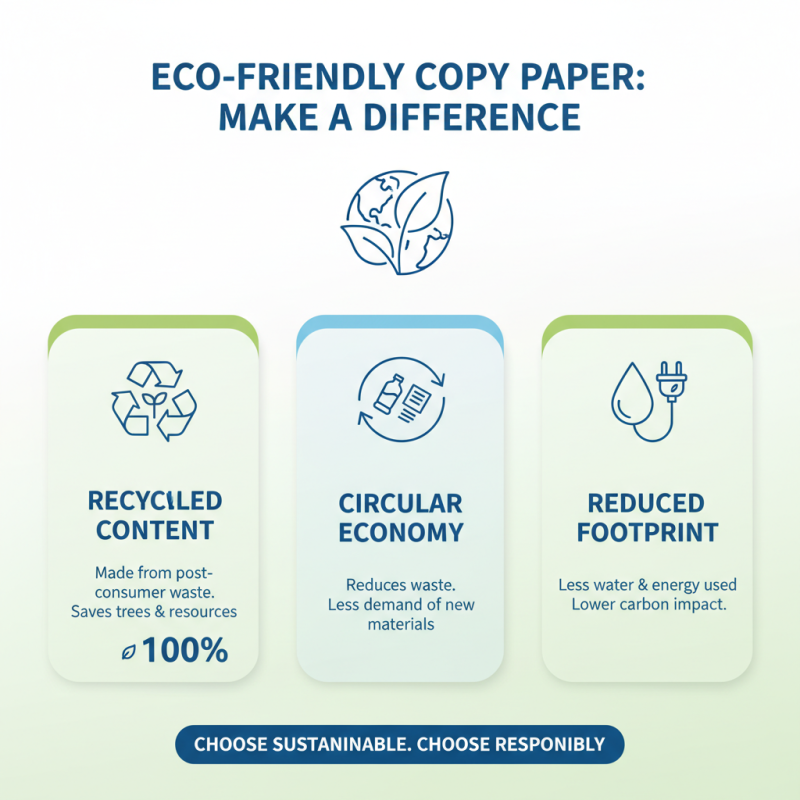
When selecting copy paper, considering eco-friendly options is crucial for those who want to reduce their environmental impact. Sustainable choices in copy paper often include recycled options, which are made from post-consumer waste, thereby conserving trees and natural resources. By choosing paper with a high percentage of recycled content, consumers can contribute to a circular economy, minimizing waste and lowering the demand for virgin materials. Moreover, many eco-friendly papers are produced using processes that consume less water and energy, further decreasing their carbon footprint.
Another aspect to consider when looking for sustainable copy paper is certification. Look for papers that are certified by recognized environmental organizations, which ensure responsible sourcing and production practices. Such certifications can help consumers identify products that meet strict environmental standards, including reduced chemical usage and sustainable forestry practices. By opting for such certified options, you not only support the health of our planet but also encourage manufacturers to maintain eco-conscious practices in their production processes.