What is Office Paper Types and Their Uses?
In the world of office supplies, "Office Paper" plays a vital role. According to Emily Stone, an expert in the field, "Choosing the right paper can transform your work environment." The type of paper you select affects everything from printing quality to document presentation. With such a variety available, understanding the uses of different paper types is essential for any office.
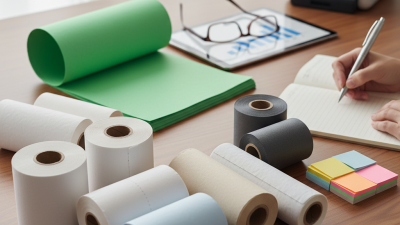
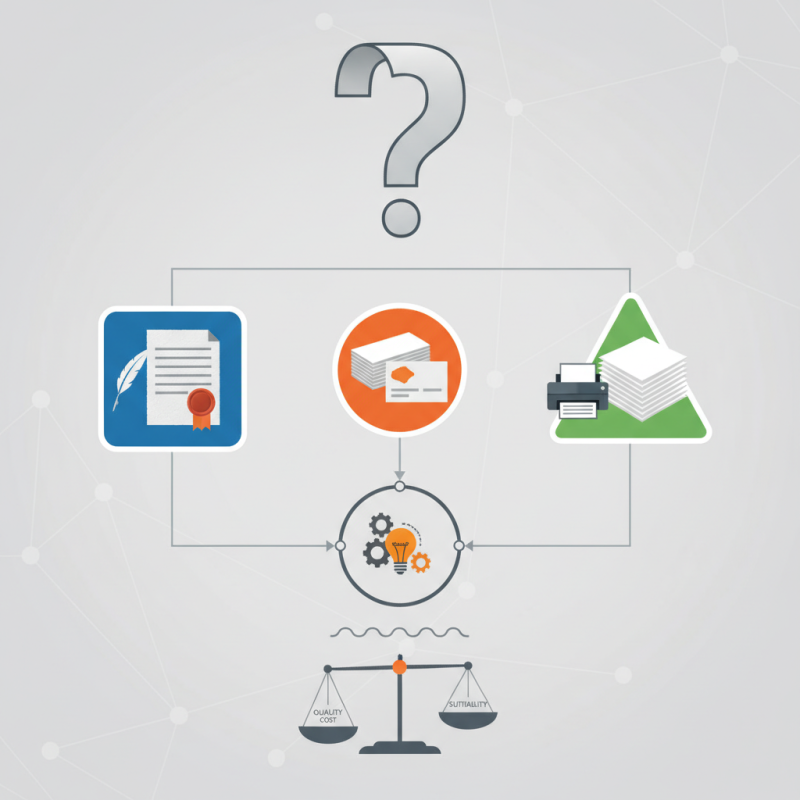
Different paper types serve unique purposes. For instance, letterhead paper is perfect for official correspondence, while cardstock is best for business cards. Copy paper is a staple, widely used for everyday printing needs. However, the decision often comes down to personal and company preferences. Some offices may overlook the impact of paper choices, leading to potential frustrations in workflow.
Selecting the correct "Office Paper" is not always straightforward. It involves balancing quality, cost, and suitability. Even seasoned professionals sometimes face challenges. In reflecting on these choices, it's important to remember that paper can influence both productivity and creativity in the workplace.
Types of Office Paper: An Overview of Common Varieties
When it comes to office paper, understanding the different types is crucial for efficiency. Common varieties include copier paper, which is often used for everyday printing. Typically, this paper comes in weights ranging from 20 to 24 lb. Reports indicate that copier paper makes up 50% of paper consumed in offices.
Another important type is inkjet paper. Designed specifically for inkjet printers, it enhances print quality. This paper often has a glossy finish, which brings images to life. Use it for high-resolution documents or marketing materials. Studies show using the right paper can improve print quality by up to 30%.
Tips: Always check the paper weight before purchasing. Ensure it matches your printer's specifications. Also, consider your document's purpose. For reports, use 24 lb paper for a professional look. A good rule is using heavier paper for important documents.
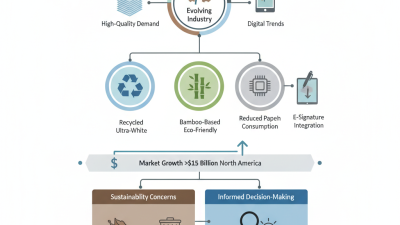
Reassess your paper choice regularly. Many businesses still use traditional paper types when alternatives, like recycled or digital options, exist. This could be limiting efficiency and increasing costs. Every office can benefit from a paper audit. Understanding paper types and their uses is essential for both budget and sustainability.
Key Uses of Copy Paper in Everyday Office Tasks
Copy paper is an essential component of any office environment. It is widely used for various everyday tasks. From printing reports to creating presentations, its versatility makes it indispensable. Its standard weight and smooth surface ensure quality output for both text and images.
When it comes to copying documents, copy paper excels. It absorbs ink well, resulting in crisp text and vivid graphics. However, some factors can affect print quality. For instance, using different types of printers may yield varying results. Users often forget to check their printer settings, which can lead to unexpected outcomes.
In addition to copying, this paper is ideal for taking notes and drafting letters. Many find it convenient for everyday communication. Yet, it is easy to overlook the importance of paper quality. Using lower-grade paper might seem cost-effective but can hinder clarity in important documents. Not every office task demands the highest quality, but a balance is essential.
Office Paper Types and Their Uses
The Role of Specialty Papers in Professional Printing
Specialty papers play a crucial role in professional printing. They enhance the overall impact of printed materials. Different types of specialty paper can be used for specific purposes. For instance, glossy paper offers vibrant color reproduction. It is ideal for brochures and photographs. This paper type reflects light well, making images pop.
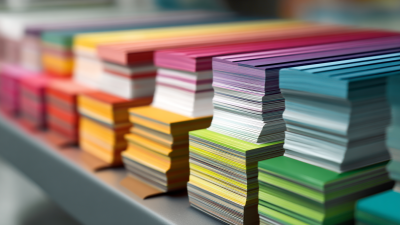
Textured paper, such as linen or felt, adds a tactile element. It is often used for business cards or invitations. This adds a sense of elegance and professionalism. However, choosing the right specialty paper can be tricky. Misjudging the paper type may lead to a lackluster result. Not every project calls for glossy finishes. Sometimes, a matte finish might better suit the brand image.
Using specialty papers involves thoughtful consideration. Cost is often a factor, too. High-quality paper usually comes at a premium price. If not budgeted correctly, this could lead to overspending. It's important to remember that the choice of paper affects perception. A well-selected paper can elevate a project, while a poor choice might diminish it. Reflect on the desired message and feel. Then, make choices that align with those goals.
Understanding Recycled Paper: Environmental Benefits and Uses
Recycled paper plays a crucial role in environmental conservation. It reduces waste, conserves energy, and lowers greenhouse gas emissions. Using recycled paper means fewer trees are cut down. Each ton of recycled paper saves about 17 trees. This is significant when we think of deforestation's impact on wildlife and ecosystems.
Recycled paper has various practical uses. It's often used for printing, writing, and packaging. Many businesses now prefer recycled paper to demonstrate their commitment to sustainability. However, the quality of recycled paper can sometimes vary. Some types may not hold ink well or may have a rougher texture. This could affect important documents or presentations. It’s essential to choose carefully based on the specific needs of a project.
Moreover, not all recycled paper is created equal. There are different grades available. Some might contain only a small percentage of recycled material, while others are 100% recycled. The market for recycled paper is still developing. Awareness is growing, but challenges remain. Consumers and businesses can play a vital role in improving this market. By supporting recycled products, they can encourage manufacturers to produce better quality paper.
Comparative Analysis of Weight and Brightness in Office Papers
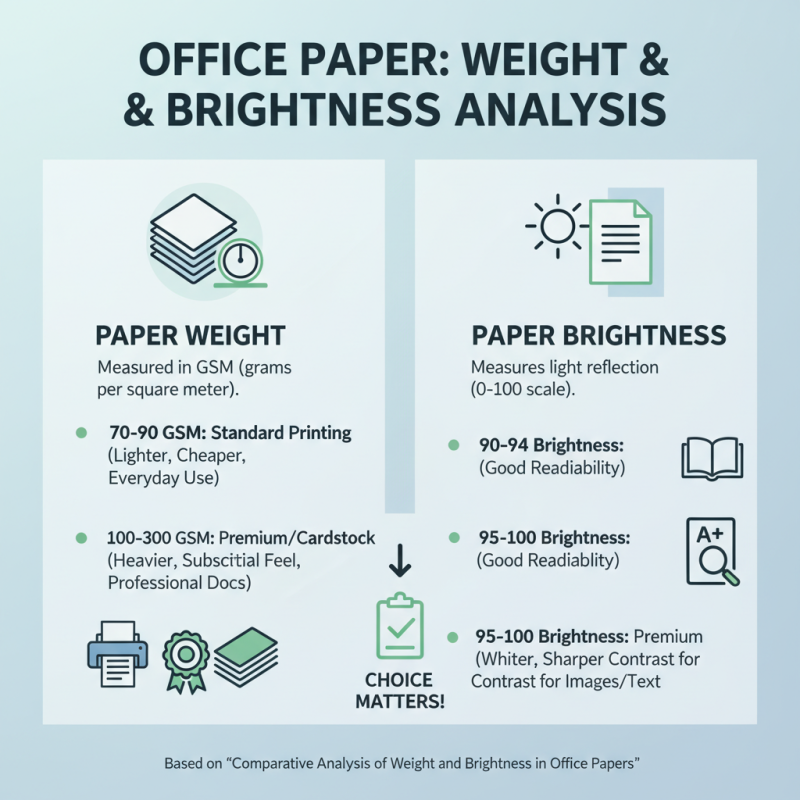
When selecting office paper, weight and brightness play crucial roles. Paper weight measures how heavy a given size of paper is in grams per square meter (gsm). Common weights range from 70 gsm for standard printing paper to 300 gsm for card stock. Heavier paper often feels more substantial, lending a sense of professionalism to documents. However, lighter papers are cheaper and suitable for everyday printing tasks.
Brightness refers to how much light a sheet reflects. It is measured on a scale of 1 to 100. High-brightness paper is typically around 90 to 100, creating vivid colors and sharp contrasts. However, not all tasks require high brightness. Sometimes, a lower brightness paper can be better for readability, especially for lengthy texts. The choice often depends on the project’s purpose.
In practice, selecting the right weight and brightness can be challenging. Personal preferences vary widely. Some people may prioritize smoothness over brightness, while others focus on durability. An effective choice involves trade-offs. Understanding the balance between weight, brightness, and intended use can optimize printed materials for clarity and impression.