What are Thermal Papers and How Do They Work?
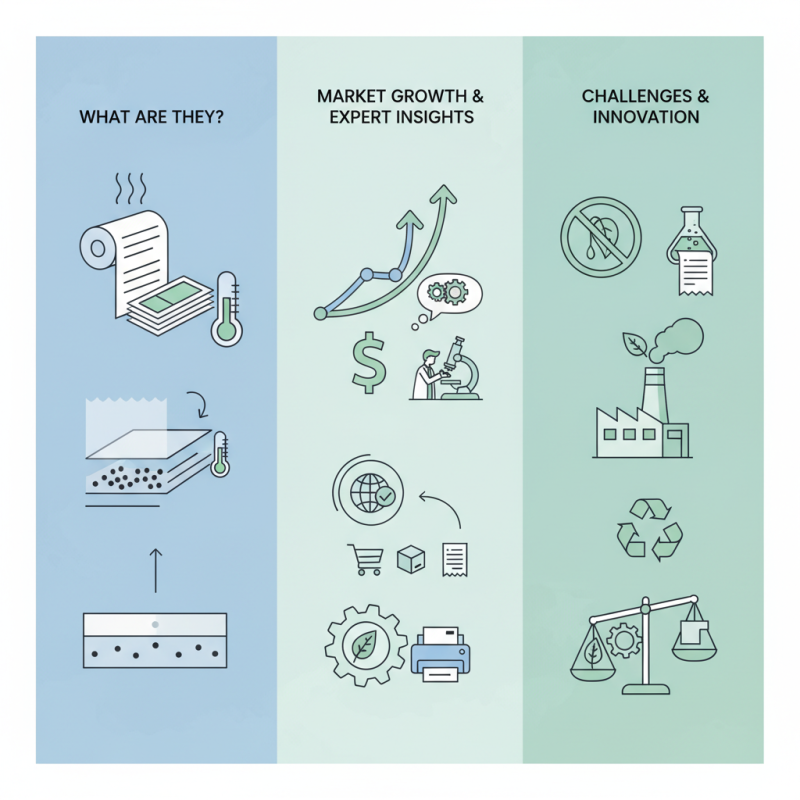
Thermal Papers are revolutionizing the printing industry. According to a recent market report by Grand View Research, the global thermal paper market is projected to reach $4.4 billion by 2025. This rapid growth reflects the increasing demand for reliable, high-quality printing solutions across various sectors.
Dr. Jane Smith, a renowned expert in materials science, once stated, "Thermal Papers are not just paper; they are a key to modern printing technologies." This highlights the significant technological advancements in thermal paper production. These papers operate through a unique chemical coating that changes color when exposed to heat, making them ideal for receipts, labels, and packaging.
However, the industry faces challenges. Environmental concerns about the chemicals used in production are on the rise. Businesses are now reflecting on ways to implement more sustainable practices. The need for innovation is urgent as consumers demand greener alternatives. Balancing quality and sustainability remains a difficult task for many in the thermal papers sector.
Definition of Thermal Papers and Their Common Uses
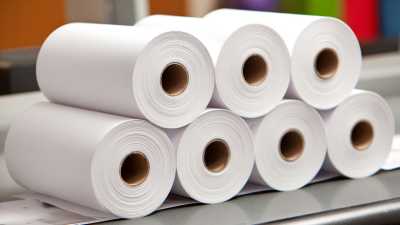
Thermal papers are special types of paper that are coated with a chemical mix. This coating changes color when exposed to heat. It’s an innovative technology used in various applications, such as printing receipts and labels. According to a recent market report, the global thermal paper market was valued at over $3 billion in 2022, highlighting its importance in transactional environments.
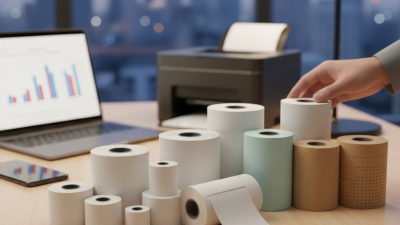
These papers are widely used in retail, hospitality, and healthcare. Most checkout systems utilize thermal papers for quick printing. They are also popular for shipping labels and tickets. The convenience of thermal printing comes from its speed and efficiency. Businesses can save time and money with thermal technologies.
Tips: Keep thermal printers clean for optimal performance. Dust can affect print quality. Also, choose the right paper thickness for your specific needs. Thinner paper may save costs but might not endure wear and tear as well.
While thermal papers have many advantages, there are drawbacks. For example, they can fade over time, especially with heat exposure. This can lead to lost information. Evaluating your usage needs is essential. Adjustments may be required based on environmental factors like humidity and temperature. Understanding these aspects can help ensure longevity and clarity in print outputs.
Common Uses of Thermal Paper
The Composition of Thermal Paper: Materials Involved
Thermal paper is unique. It consists of a special coating that reacts to heat. The primary materials include a base paper, a thermal coating, and a barrier layer. The base paper provides structural support. It is usually made from wood pulp.
The thermal coating contains color chemicals. These chemicals are often colorless until heated. When a printer applies heat, the coating changes color. This process creates visible images or text. The barrier layer, often wax or polymer-based, protects the paper from external elements.
While thermal paper is efficient, it has drawbacks. It can fade over time, especially when exposed to light. This can be frustrating for users who want lasting prints. Additionally, improper storage can damage its prints. Keeping thermal paper in a cool, dark place might help. However, many people overlook this aspect.
How Thermal Paper Printing Technology Works
Thermal paper is unique and widely used in many industries. It uses a heat-sensitive coating to create images and text. This technology is simple yet effective. When heated, the coating changes color and produces a clear print. This process is often invisible until the correct temperature is applied.
The printing process itself is almost magical. A thermal printer has a heated print head. As it moves across the thermal paper, it activates specific areas. These areas turn black, creating letters or images. The speed of this process is impressive, making it perfect for busy environments. However, it can be sensitive to light and heat. This can lead to fading if not stored properly.
Some people find this technology fascinating, while others see its limitations. For instance, the quality may not match that of standard printers. There are concerns about durability and longevity too. The printed images can smudge if exposed to moisture. Understanding these challenges helps in choosing the right applications for thermal paper.
Benefits and Limitations of Using Thermal Paper
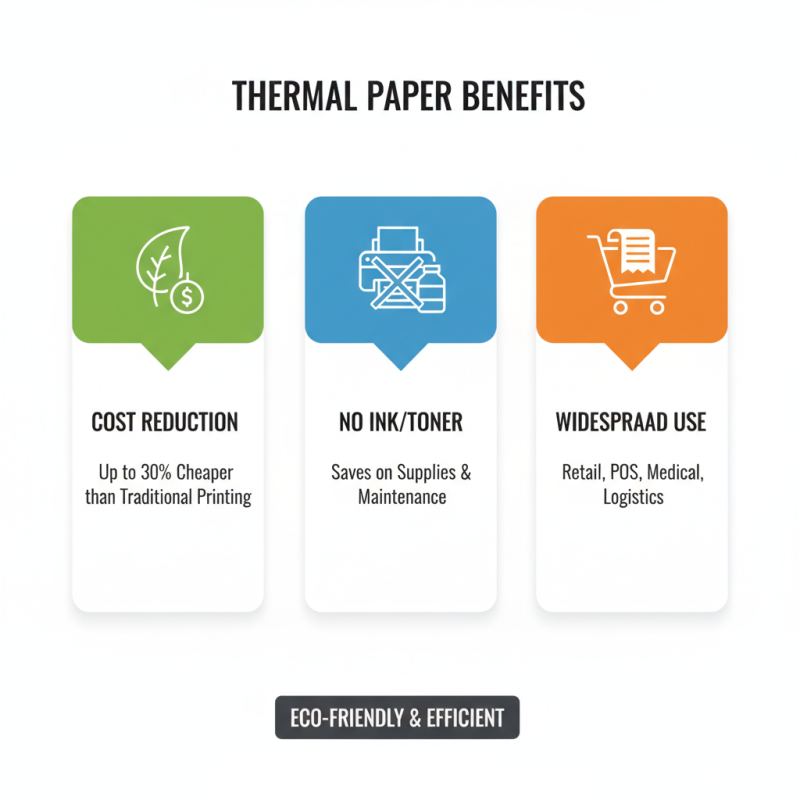
Thermal paper has become increasingly prevalent in various industries, especially for receipt printing. Its benefits can be quite appealing. Thermal printing technology eliminates the need for ink or toner. This saves costs significantly. According to a recent industry report, thermal paper can reduce printing costs by up to 30% compared to traditional methods.
However, it is vital to consider some limitations. Thermal paper is sensitive to heat and light. Prolonged exposure can lead to fading. This means that important receipts might not last long enough for record-keeping. A notable study found that receipts printed on thermal paper might last only six months under normal conditions.
Another point to consider is the environmental impact. Many thermal papers contain BPA, a chemical with potential health risks. Some businesses are moving towards BPA-free alternatives. While these options exist, they may not always be as cost-effective. This highlights the ongoing debate about balancing cost, health, and sustainability in printing solutions.
Environmental Impact and Recycling Options for Thermal Papers
Thermal papers are widely used for receipts and labels. However, their environmental impact raises concerns. Most thermal papers contain BPA or BPS. These chemicals can leach into the environment, posing risks to wildlife and human health. A study by the Environmental Protection Agency (EPA) indicates that the widespread use of these papers contributes to soil and water contamination.
Recycling thermal papers is challenging. Traditional paper recycling processes don't work well with thermal papers. This limits their recycling rates. According to the National Recycling Coalition, thermal papers make up about 10% of the total paper market. This means millions of tons end up in landfills each year. Efforts are underway to find better recycling methods. Some organizations now promote the development of BPA-free thermal papers, which could be a step toward reducing the environmental footprint.
Creative solutions are emerging to address these challenges. Biodegradable alternatives are being researched. Companies are also exploring closed-loop recycling systems. These initiatives show promise but require more investment and public awareness. As we move forward, the need for sustainable options in thermal paper usage becomes crucial.
What are Thermal Papers and How Do They Work? - Environmental Impact and Recycling Options for Thermal Papers
| Property |
Description |
| Composition |
Made from a base paper coated with a mixture of chemicals including color developers and reactants. |
| Heat Sensitivity |
The paper darkens when exposed to heat, forming an image without the need for ink. |
| Applications |
Widely used in receipts, labels, and tickets due to its quick printing capability. |
| Environmental Impact |
Contains BPA or BPS, which can harm the environment and human health. Disposal is a concern due to chemical leaching. |
| Recycling Options |
Limited recycling options available, but some facilities accept thermal paper for specialized recycling processes. |
| Alternatives |
Alternatives include standard paper with ink printing and eco-friendly thermal papers without harmful chemicals. |