Top 10 Inkjet Paper Types for Your Printing Needs?
When it comes to printing, choosing the right Inkjet Paper is crucial for achieving vibrant and professional results. The paper you select can significantly impact the quality of your prints, from photos to documents. With many options available, understanding the various types of Inkjet Paper is essential for making an informed decision.
Different papers serve different purposes. Some are designed for high-resolution images, while others excel at producing sharp text. The range of finishes, including glossy and matte, adds another layer of complexity. Navigating these choices may feel overwhelming, but knowing what you need can make a difference.
Selecting the best Inkjet Paper often requires trial and error. You may find that a certain type works exceptionally well for your specific needs, while another may disappoint. By exploring the top ten types of Inkjet Paper, you can gain valuable insights to refine your printing process and enhance overall quality.
Overview of Inkjet Paper Types and Their Uses
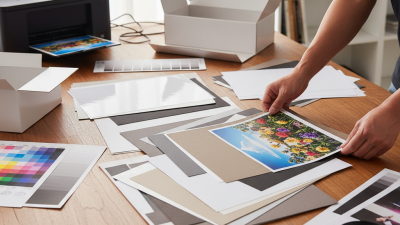
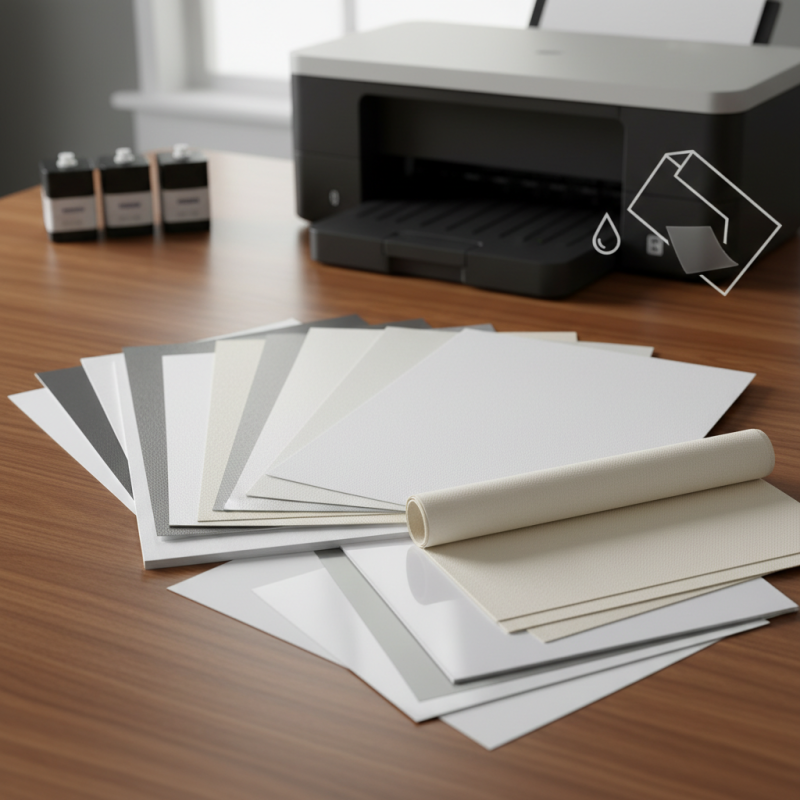
When choosing inkjet paper, understanding types and their specific uses is crucial. Papers differ significantly in texture, weight, and coating. For instance, glossy paper enhances color vibrancy while producing sharp images. A report from the Imaging Supplies Coalition indicates that glossy paper often yields better photo reproduction than matte finishes.
Another common option is matte paper. It offers a smooth surface without glare, making it suitable for printing documents with a professional look. Research shows that 72% of professionals prefer matte for presentations. For archival purposes, using acid-free paper can preserve prints for decades without fading.
However, selecting paper is not without challenges. Users may find it difficult to determine the right type for their needs. Some papers may bleed or smudge with certain inks. Additionally, glossy finishes can showcase fingerprints, detracting from the overall presentation. Always consider your specific requirements before making a choice, as sometimes optimal quality can come from less obvious options.
Top 10 Inkjet Paper Types for Your Printing Needs
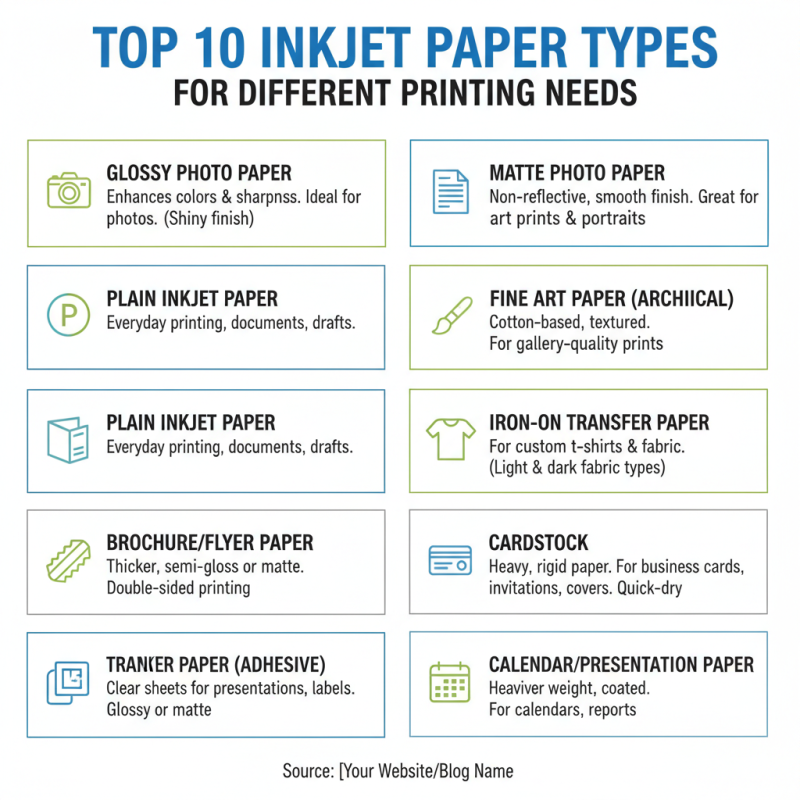
This chart illustrates the top 10 inkjet paper types and their best uses ranked from 1 to 10, enabling you to easily identify which paper suits your printing needs the most effectively.
Factors to Consider When Choosing Inkjet Paper
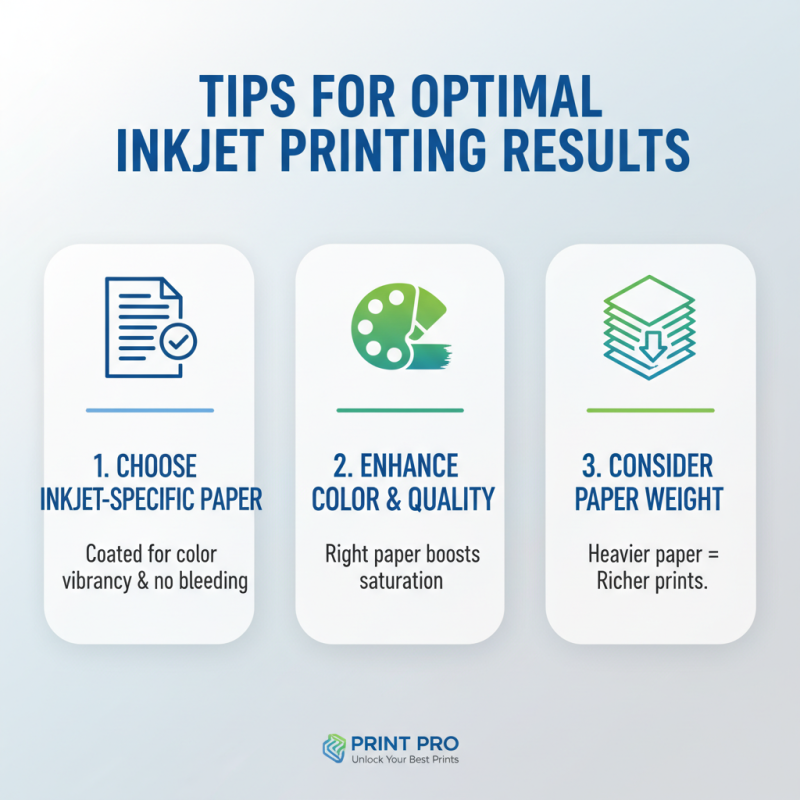
When selecting inkjet paper, several key factors come into play. Understanding these can significantly enhance your printing results. The paper type affects ink absorption, color vibrancy, and the overall finish. Consider the weight and thickness of the paper. Heavier papers tend to provide better quality prints and durability.
Texture matters too. Smooth surfaces usually yield sharp images, while textured papers can add a unique touch to photographs and art prints. It's also essential to identify the intended use of the print. For everyday documents, plain paper works well. However, for professional photos or creative projects, higher-quality specialty papers can elevate the final appearance.
Tips: Always print a test page to check color accuracy and quality. Experiment with different types to see which aligns best with your needs. Don't overlook the importance of proper storage for your paper. Keeping it away from moisture and direct sunlight ensures it maintains its quality.
Top 10 Inkjet Paper Types for Your Printing Needs
| Paper Type |
Weight (g/m²) |
Finish Type |
Ideal For |
Pros |
Cons |
| Matte Inkjet Paper |
200 |
Matte |
Photos, Presentations |
Non-reflective finish |
Can appear dull |
| Glossy Inkjet Paper |
250 |
Glossy |
High-quality Photos |
Vibrant colors, shiny |
Prone to fingerprints |
| Fine Art Paper |
300 |
Textured |
Art prints |
High-quality finish |
More expensive |
| Brochure Paper |
150 |
Glossy or Matte |
Marketing materials |
Professional look |
Limited printing surface |
| Photo Paper |
200 |
Satin |
Snapshots |
Good color reproduction |
Can be costly |
| Canvas Paper |
400 |
Canvas |
Art reproduction |
Textured finish |
Heavy weight |
| Translucent Paper |
100 |
Translucent |
Overlays, designs |
Unique effects |
Limited uses |
| Iron-On Transfer Paper |
150 |
Matte |
T-shirt printing |
Custom designs |
Requires heat press |
| Label Paper |
120 |
Matte or Glossy |
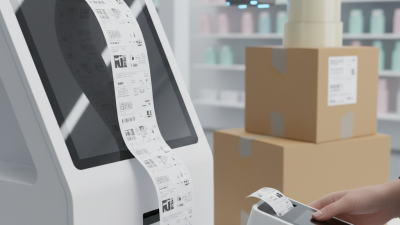
Product labels |
Versatile |
Adhesive may wear |
Top 10 Inkjet Paper Types for Different Printing Needs
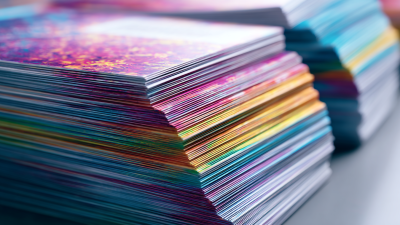
When choosing inkjet paper, your specific needs are crucial. Different types of inkjet paper serve distinct purposes. For vibrant images, glossy paper enhances colors and sharpness. It's ideal for photos and promotional materials. However, it can sometimes appear overly shiny, which may not be suitable for all projects.
For text-heavy documents, consider using matte paper. This type absorbs ink well, offering a pleasant finish. Yet, it can dull colors compared to glossy options. If you're printing professional presentations, bright white paper provides excellent contrast. But too much brightness can strain readers' eyes, making it less comfortable for long text.
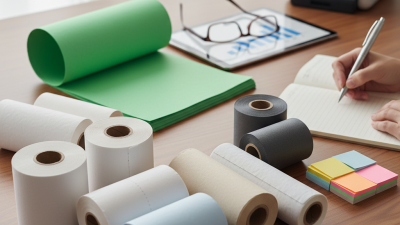
In the realm of specialty papers, consider fine art paper for artistic prints. This paper delivers depth and texture. If it’s too thick, however, it may not feed smoothly through some printers. For everyday tasks, a standard inkjet paper offers a balance. While it may lack the flair of specialized papers, it can be reliable for routine printing. Overall, reflect on the purpose of your prints. Each type of paper offers unique benefits and drawbacks to consider.
Comparative Analysis of Performance and Quality
When selecting inkjet paper, performance and quality often dictate the best choice. Various types of inkjet paper can impact color vibrancy, weight, and texture. The right paper can elevate printed images and documents significantly. Not every paper suits every printer. Consider the intended use when making choices.
Tip: Test different paper types in small quantities. Understanding how each type interacts with your printer will improve your results. Testing helps highlight strengths and weaknesses in paper performance.
Glossy paper typically showcases vivid colors, making it a favorite for photos. Matte paper is ideal for professional documents, providing a sophisticated finish. Yet, not all glossy papers deliver the same results. Some may smudge or not hold ink well.
Tip: Look for reviews or user feedback. Relying on shared experiences helps gauge a paper's reliability. Remember that sometimes, a less expensive choice offers comparable quality.
Pay attention to the weight of the paper. Heavier paper usually feels more prestigious. However, not all heavy paper performs optimally with every printer. Some may struggle with ink absorption.
Tip: Keep a journal of your experiences with different paper types. Reflect on what outcomes stood out. This will guide future purchases, ensuring better quality and satisfaction in your printing endeavors.