Top Quality Inkjet Paper for Global Buyers Guide?
In the realm of printing, choosing the right inkjet paper is crucial for achieving vibrant results. Renowned industry expert Dr. Emily Carter once said, "The quality of inkjet paper can elevate a simple print to an extraordinary piece of art." This insight highlights the significance of selecting high-quality inkjet paper for both personal and professional projects.
Inkjet paper isn't just a surface to print; it's an essential component that impacts color accuracy and texture. Many buyers overlook the variety in paper quality, assuming all inkjet paper is the same. However, options range widely, from basic printer paper to specialized glossy sheets. Each type serves different purposes and yields varying outcomes.
Navigating the global market requires understanding these differences. Some users may find their prints smudging or fading quickly. This points to the need for selecting papers tailored to specific printers and inks. By recognizing these details, buyers can make informed choices that enhance their printing experience. Pursuing the best inkjet paper is a journey worth taking.
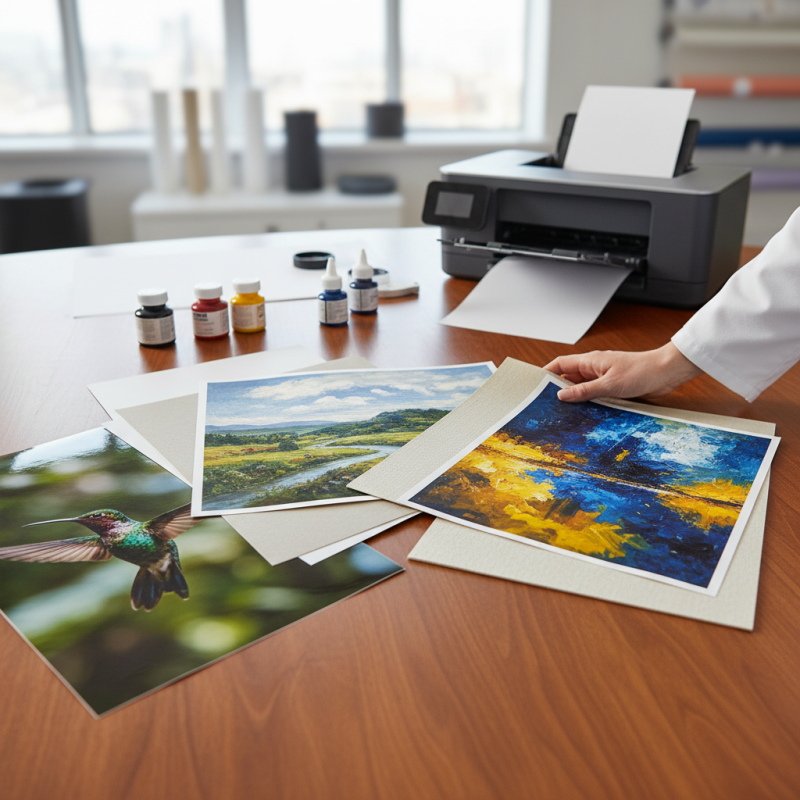
Understanding Inkjet Paper: Types and Specifications
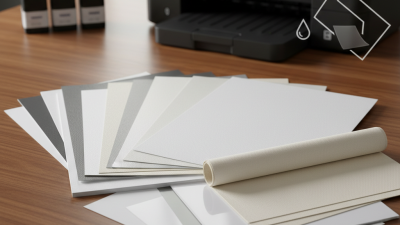
When choosing inkjet paper, it's essential to understand its types and specifications. Inkjet paper generally comes in three main categories: matte, glossy, and satin. Each type offers different finishes and textures, impacting the overall print quality. Matte paper is ideal for text-heavy documents. Its non-reflective surface ensures readability under various lighting conditions. Glossy paper provides vibrant colors and a sharp finish, perfect for photos. However, it can be prone to fingerprints and glare. Satin paper sits between matte and glossy, offering a balanced finish suitable for both images and text.
Specifications play a crucial role in determining the quality of inkjet paper. Key factors include weight, brightness, and texture. Heavier paper often supports more ink without bleeding, leading to sharper images. Brightness measures how white the paper appears, affecting color vibrancy. Texture influences ink absorption and may enhance or reduce detail. It's important to match paper specifications with printing requirements. Some users find that trial and error helps in discovering the best options. However, not all papers perform as expected, leaving room for improvement in choices.
Factors to Consider When Choosing Inkjet Paper
Choosing the right inkjet paper is crucial for achieving high-quality prints. When selecting paper, consider the weight. Heavier papers often provide better durability and a more professional feel. Standard weights range from 70 to 300 GSM. Heavier options may enhance color vibrancy and contrast.
Another essential factor is brightness. Higher brightness produces richer colors and sharper images. Look for papers with brightness ratings of over 90 to ensure optimal results. Additionally, consider finish types like glossy, matte, or satin. Glossy papers enhance vibrancy but may show fingerprints easily. Matte finishes, on the other hand, resist smudging but can reduce color intensity.
Texture also plays a vital role in print quality. Smooth textures are ideal for detailed images, while textured surfaces add character to prints. Balance is key; too much texture can hinder picture clarity. Regular testing with different paper types may illuminate what works best for specific projects. Each choice brings its unique characteristics, suggesting a careful evaluation is necessary.
Top Quality Inkjet Paper - Factors to Consider
Top Brands of Inkjet Paper for Quality Printing
When choosing inkjet paper, quality is paramount. A good paper can vastly improve print output. It's essential to select paper that suits the intended prints. Some papers excel in color reproduction, while others focus on matte finishes. Each type offers unique benefits. The right choice can transform an ordinary document into something eye-catching.
Certain brands consistently deliver exceptional results. They are recognized for their rigorous testing and high standards. These brands offer a variety of weights and finishes, catering to different printing needs. Their papers are designed to withstand fading and yellowing, providing long-lasting quality. However, not all products from well-known names guarantee top performance. This inconsistency requires careful evaluation.
Print tests can provide greater insight into paper performance. It’s wise to compare different options before making a bulk purchase. Additionally, user reviews can reveal strengths and weaknesses. Sometimes, a less popular brand can surprise with remarkable quality. Remember, personal preference also plays a role. Each printer may react differently to each type of paper, leading to varied results.
Comparative Review of Inkjet Papers for Various Uses
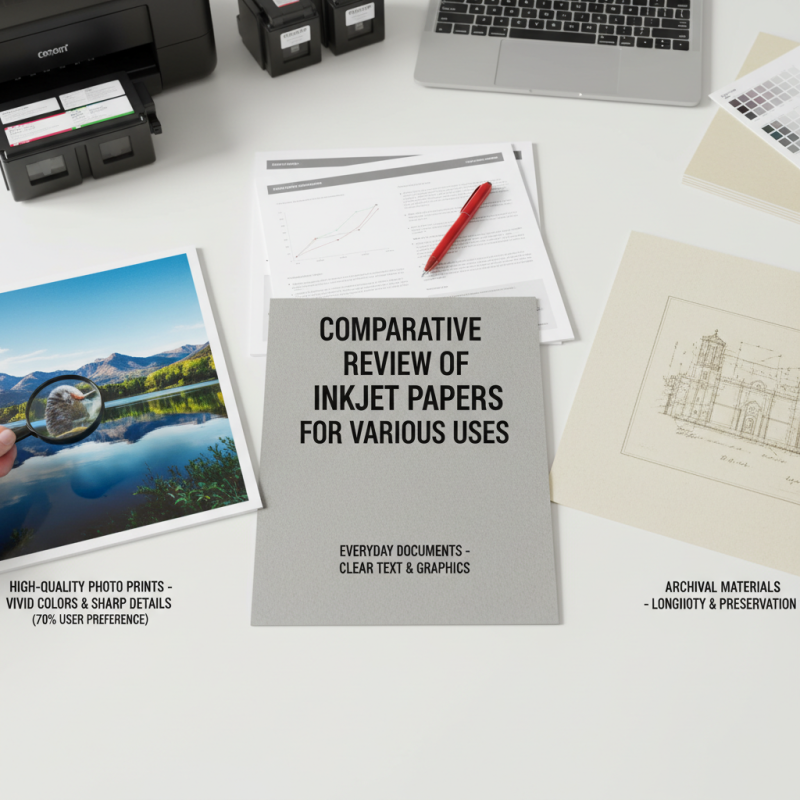
When it comes to selecting inkjet paper, buyers must understand their specific needs. Different paper types cater to varying purposes, such as high-quality photo prints, everyday documents, or archival materials. According to industry reports, 70% of users prefer paper that provides vivid colors and sharp details. This means choosing the right paper can significantly affect the final output.
For photo printing, heavyweight glossy papers usually deliver the best results. These papers often have a coating that enhances ink absorption, leading to vibrant images. On the other hand, for standard document printing, multipurpose paper may suffice. It is important to consider factors like weight and finish. The average weight for quality photo paper hovers around 200-300 gsm. However, some consumers report dissatisfaction with paper that claims to be high-quality but fails under testing.
Not all inkjet papers perform equally. A comparative review reveals that some papers struggle with ink bleeding, while others may warp or curl after printing. This inconsistency can lead to wasted ink and time. Industry experts suggest trying samples before committing to a bulk order. Testing various brands can help ensure you find a reliable option that meets your expectations and needs.
Tips for Storing and Maintaining Inkjet Paper Quality
Storing and maintaining the quality of inkjet paper is essential for optimal printing results. To start, keep inkjet paper in a cool, dry environment. Humidity can lead to curling and warping. A dedicated storage box helps protect against dust and moisture. Ideally, you should store it upright to avoid unnecessary pressure on the sheets.
Handling is another critical aspect. Always use clean hands or gloves when touching the paper. Oils and moisture from your skin can transfer, impacting print quality. Additionally, avoid leaving paper exposed to direct sunlight. Over time, this could cause fading or discoloration. Remember, even minor imperfections can lead to uneven printing. Regular checks for any signs of damage can save you from wasted prints.
When it comes to usage, ensure your printer settings match the paper type. Mismatched settings may lead to smudging and poor color reproduction. It’s also vital to keep your printer clean. Dust and debris can affect the print heads and ultimately the final product. By paying attention to these small details, you can improve the longevity and performance of your inkjet paper.