Top Thermal Paper Rolls for Your Business Needs?
In the fast-evolving world of business, the choice of supplies can significantly impact operational efficiency. Thermal Paper Rolls, often overlooked, play a crucial role in various industries. A recent market analysis by Smith & Associates states that the thermal paper market is expected to reach $3 billion by 2025, highlighting its growing demand. This is not just a trend; it’s a necessity for many businesses.
Industry expert Dr. Emily Wong emphasizes, "Selecting the right thermal paper rolls can streamline your operations." Indeed, businesses rely heavily on these rolls for transactions, receipts, and labels. The quality of thermal paper affects printing clarity and longevity, which in turn influences customer satisfaction. However, many companies struggle to identify the best options amidst a myriad of products available.
Budget constraints and varying needs often lead to suboptimal choices. Companies sometimes choose cheaper rolls, sacrificing quality for cost. This can create more issues than it solves, as poor-quality rolls may jam printers or fade quickly. A careful evaluation of options is essential. Ensuring the right fit for your business needs can make a significant difference in performance.

Understanding Thermal Paper Rolls: Composition, Sizes, and Printing Technology
When it comes to thermal paper rolls, it’s essential to understand their composition. These rolls typically consist of a base paper coated with a thermal-sensitive layer. This layer reacts to heat when passing through a thermal printer. The paper transforms, creating a printed image. The quality of the thermal coating directly influences the print durability and clarity.
Size matters in selecting thermal paper. Width and diameter are key factors. Standard sizes often range from 2 to 4 inches in width. Roll diameter commonly varies from 2 inches to 6 inches. It's crucial to choose the right size for your printer model to avoid compatibility issues. A poorly sized roll may lead to jams or misprints, resulting in wasted materials.
Printing technology also plays a significant role. Different printers require varying thermal papers. For example, some printers need high-quality thermal paper for sharp images. Others might work well with standard rolls. Businesses must evaluate their printing needs and select thermal paper accordingly. This choice impacts not just cost but also the overall efficiency of business operations. A misstep in paper selection can lead to frustration and inefficiency.
Key Industry Standards and Certifications for Thermal Paper Quality Assurance
When selecting thermal paper rolls, understanding industry standards and certifications is crucial. The quality of thermal paper directly impacts your printing needs. Look for products that comply with ISO 9001 standards. This ensures a consistent quality management system. Certification from reputable organizations adds credibility. It suggests that the manufacturer adheres to best practices.
Quality thermal paper should also meet environmental standards. Certifications like FSC and PEFC verify sustainable sourcing. Eco-friendly options are increasingly important for businesses. A product that lacks these credentials may have hidden environmental costs. It's not just about print quality; it's about responsible choices.
Many users don’t realize the importance of checking these details before purchasing. Some products may perform well initially but fade quickly. This can lead to wasted time and money. Always ask for certifications and confirm specifications. Make informed decisions to enhance your business needs.
Top Thermal Paper Rolls for Your Business Needs
| Roll Diameter (mm) |
Core Size (mm) |
Length (meters) |
Gram Weight (g/m²) |
Certifications |
| 80 |
12 |
60 |
55 |
ISO 9001, FSC |
| 100 |
25 |
70 |
65 |
ISO 14001, CE |
| 57 |
12 |
50 |
50 |
REACH, RoHS |
| 75 |
18 |
80 |
60 |
BRC, FSC |
Evaluating Performance Metrics: Durability, Sensitivity, and Heat Resistance
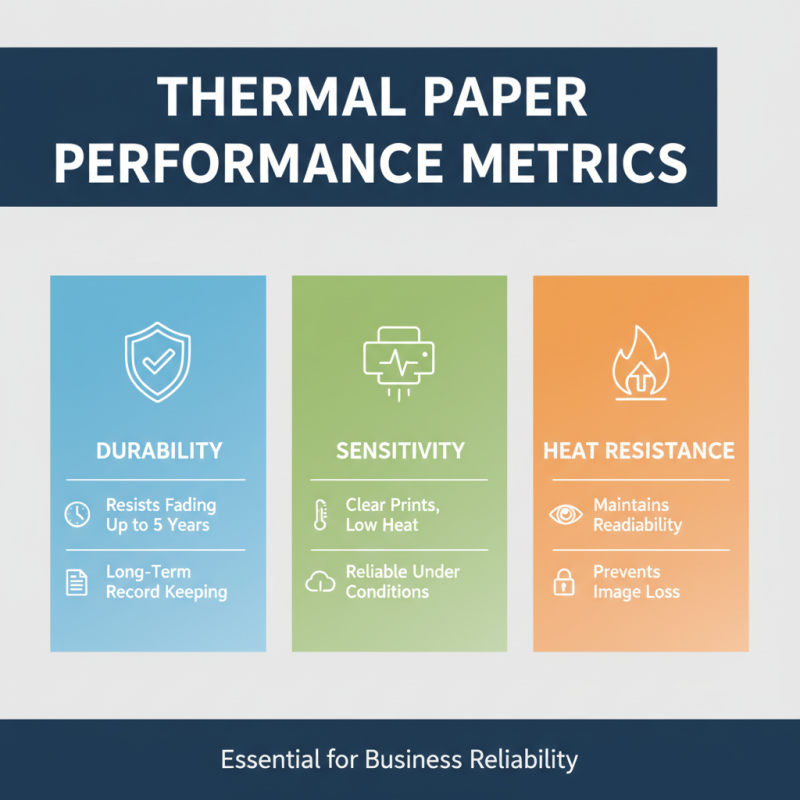
When selecting thermal paper rolls for your business, it's essential to focus on performance metrics like durability, sensitivity, and heat resistance. According to industry reports, quality thermal paper can withstand fading for up to 5 years, a significant advantage for record-keeping. The best options exhibit a high thermal sensitivity, ensuring clear prints even under less-than-ideal conditions. This means that businesses can rely on their receipts, barcodes, and tickets to remain sharp and readable over time.
Heat resistance plays a critical role in the longevity of thermal prints. Excessive heat can cause thermal paper to blacken or fade, rendering it useless. Opt for materials designed to withstand high temperatures, especially if your business environment includes heat sources. Some studies indicate that lower-quality papers can degrade in less than a year when exposed to heat, which can lead to substantial operational issues.
**Tips:** Always test paper samples before bulk purchases. Evaluate how well they perform under real-life conditions. Store thermal rolls in a cool, dry place to enhance their longevity. Remember, cutting costs on paper can lead to hidden expenses in your business operations. Investing in quality materials pays off in the long run.
Market Trends and Demand Analysis: Global Consumption and Business Applications
Thermal paper is essential in various industries, from retail to logistics. The global demand for thermal paper rolls continues to rise, driven by the growth in point-of-sale systems. Businesses increasingly depend on these papers for efficient transactions. In 2023, market analysts noted a surge in consumption across emerging markets, indicating a shift in purchasing behaviors.
One significant trend is the emphasis on sustainability. Many businesses seek eco-friendly thermal paper options. These products reduce environmental impact, yet some remain skeptical about their durability and performance. It’s crucial for companies to weigh these factors carefully. Moreover, the quality varies significantly among suppliers. Ensuring reliability is vital, which often requires extensive research into market options.
As technology evolves, the applications of thermal paper expand. Innovations lead to improved print quality and faster processing. However, navigating these advancements can be challenging. Companies may struggle to keep up with options available. Investing time in understanding current trends can enhance decision-making. Observing market fluctuations will also help businesses meet their customers' evolving needs effectively.
Market Trends in Thermal Paper Roll Consumption
Cost Efficiency and Environmental Impact: Choosing Sustainable Thermal Paper Solutions
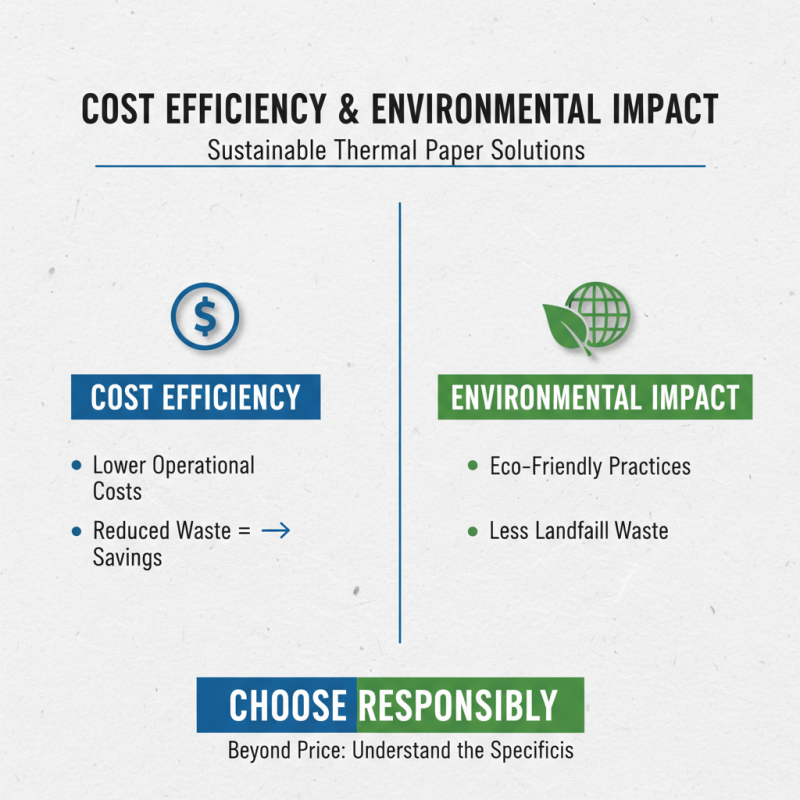
When selecting thermal paper for your business, considerations extend beyond cost. Cost efficiency is important, but so is environmental impact. Sustainable thermal paper solutions are crucial for reducing waste and supporting eco-friendly practices. Many options on the market claim to be sustainable, but understanding the specifics is key to making a responsible choice.
Opt for papers that use recycled materials. Look for those certified by reputable environmental standards. These papers not only reduce deforestation but also minimize energy consumption during production. Remember that eco-friendly options sometimes cost more upfront. However, their long-term benefits often outweigh the initial investment, including better waste management and a lower carbon footprint.
Tips: Always read labels carefully. Chemicals used in traditional thermal papers can harm the environment. Seek alternatives that use plant-based or non-toxic coatings. Additionally, assess your usage: printing less often or printing on both sides can also significantly cut down waste. A simple change in habits can lead to a more sustainable operation. Taking these steps reflects a commitment to environmental responsibility while maintaining cost efficiency in your business.