2026 Top Thermal Receipt Innovations and Trends for Businesses?
In the ever-evolving landscape of the retail sector, thermal receipts play a crucial role. As businesses strive for efficiency, innovations in thermal receipt technology are emerging. According to Dr. Emily Clarke, a leading expert in the thermal printing industry, "The future of thermal receipt technology lies in sustainability and customer engagement." This statement highlights the importance of enhancing both usability and environmental responsibility.
Thermal receipts have become commonplace, yet they are often overlooked. Many retailers recognize their significance in improving customer experience. Innovative designs and functionalities are essential in keeping pace with consumer expectations. Manufacturers are exploring eco-friendly materials to replace traditional receipt paper. These advancements not only address environmental concerns but also cater to a more informed customer base.
However, challenges remain. Some businesses resist adopting new technologies due to costs or complexity. Inadequate integration with existing systems can hinder progress. Companies may face hurdles in training staff on new equipment. Despite these issues, the push for smarter thermal receipt solutions continues to grow, urging businesses to reassess their practices. Such reflections are vital for success in a changing market.

Emerging Technologies in Thermal Receipt Printing for 2026
As we approach 2026, thermal receipt printing is evolving at an astonishing pace. Emerging technologies promise to reshape how businesses interact with customers. One of the most notable trends is the move towards eco-friendly materials. More companies are experimenting with biodegradable thermal papers. This promises to reduce waste in landfills and support sustainability goals.
Another innovation involves mobile printing solutions. Businesses are increasingly adopting compact, portable printers. These devices allow seamless transactions on-the-go, enhancing customer satisfaction. However, challenges remain. Connectivity issues can hinder performance, and not all staff may be trained to use these devices effectively. There’s a need for user-friendly interfaces.
Additionally, integrating smart technologies is on the rise. Some businesses are exploring AI-driven analytics to optimize receipt management. This can help in reducing expenses. However, reliance on technology can lead to data privacy concerns. Balancing innovation with security remains a challenge. The future of thermal receipt printing is bright but requires careful consideration.
Sustainability Trends in Thermal Receipt Materials and Production
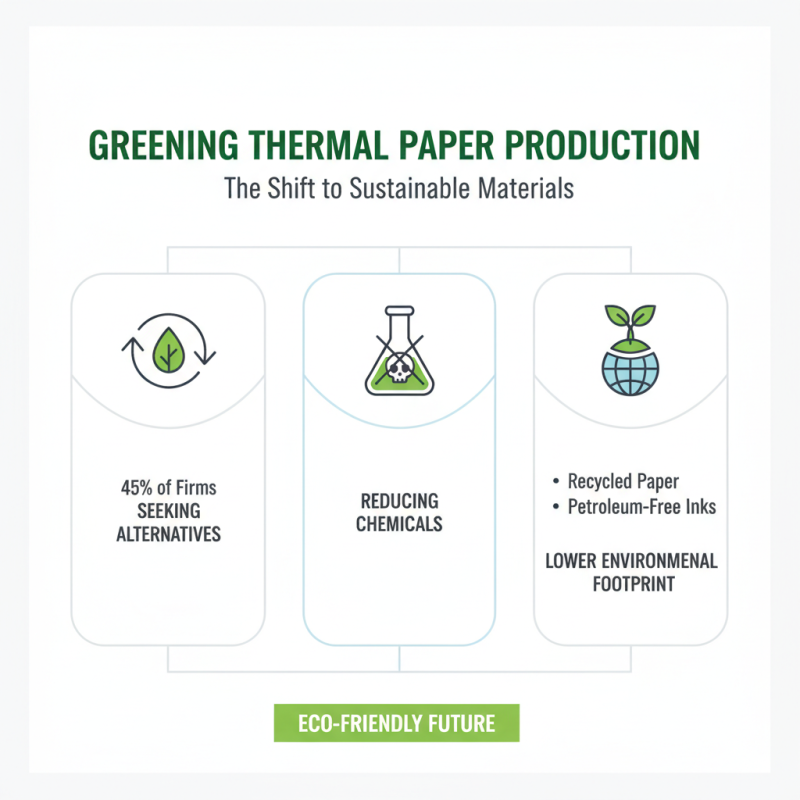
In recent years, sustainability has become a mandatory focus in many industries, including thermal receipt production. The global shift towards eco-friendly materials is changing the landscape of business operations. According to a recent industry report, about 45% of firms are seeking alternatives to traditional thermal paper, which often contains harmful chemicals. Sustainable materials like recycled paper and petroleum-free inks are gaining traction. They can reduce environmental footprints significantly.
Thermal receipt innovations also emphasize energy-efficient production processes. A report shows that up to 35% of energy consumption in manufacturing can be avoided through smarter processes. However, companies often face challenges in adopting these sustainable practices. Transitioning to eco-friendly materials can incur initial costs and require changes in equipment. Moreover, awareness about the benefits of sustainable receipts is still low among small businesses, limiting their involvement.
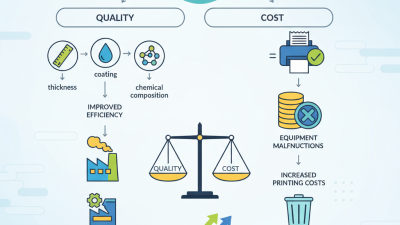
Industry experts highlight that transparency is crucial for improving sustainability. Without clear labeling, consumers and businesses may remain unaware of what they are using. This lack of awareness can stifle efforts to adopt greener practices further. Exploring the balance between cost-effectiveness and sustainability remains a nuanced challenge for many companies. However, as sustainability trends continue to evolve, businesses have a unique opportunity for growth and innovation.
Integration of Mobile and Cloud-Based Receipt Solutions
The integration of mobile and cloud-based receipt solutions is revolutionizing the retail sector. Recent studies show that about 70% of consumers prefer digital receipts over paper ones. Mobile receipts provide immediate access and support eco-friendly practices, appealing to environmentally conscious customers. Businesses can track these trends closely through cloud systems, enhancing customer engagement and simplifying operations.
Moreover, challenges persist in this transition. Many small businesses struggle with implementing these technologies due to costs or lack of tech knowledge. Integrating mobile solutions requires adequate training and resources. In 2022, only 30% of small retailers had adopted cloud-based systems. This gap reveals significant room for growth and improvement in the industry.
Security remains a critical concern as well. Customers worry about personal data leaks when using mobile platforms. A report by industry analysts indicates that 40% of users hesitate to switch to digital formats due to privacy anxieties. Businesses need to proactively address these fears through transparent data policies and stronger security measures.
Design Innovations for Enhanced User Experience in Receipts
As businesses look to enhance customer interactions, receipt design innovations are becoming crucial. Receipts are often seen as mundane, yet they offer an opportunity for creativity. A receipt can tell a story beyond the transaction. Unique designs, colors, and formats can catch the eye and bring joy to customers.
One emerging trend is the use of eco-friendly materials. However, businesses sometimes overlook the practicality of these choices. While sustainability is important, the readability of receipts must not be sacrificed. Another idea is integrating personalized messages on receipts. This fosters a connection, but it requires careful balance. Too much personalization can feel forced. Striking the right tone is key.
Incorporating digital elements into printed receipts is another progressive step. QR codes can provide convenience but may confuse some customers. There’s a risk of alienating those who prefer traditional formats. Additionally, exploring various shapes can be engaging, yet it may complicate storage for consumers. Each innovation brings its strengths and weaknesses, requiring reflection and adjustment.
2026 Top Thermal Receipt Innovations and Trends
Regulatory Changes Impacting Thermal Receipt Standards in 2026
As the landscape of business evolves, regulatory changes are reshaping thermal receipt standards in 2026. Governments are introducing stricter guidelines around the materials used in thermal printing. These changes reflect growing environmental concerns and health awareness. Companies need to adapt quickly to stay compliant.
Tips: Stay informed. Regularly check for updates on regulations. This will help your business avoid penalties and stay competitive.
The shift towards eco-friendly materials is not just regulatory; it’s becoming a customer expectation. Consumers are increasingly aware of sustainability. They prefer businesses that prioritize environmentally friendly practices. However, transitioning to these new materials can be challenging. Not all options are cost-effective or readily available.
Tips: Evaluate your current supply chain. Look for alternative sources that align with regulatory requirements. Sometimes, this means rethinking your partnerships.
Additionally, businesses must reevaluate their receipt processes. Digital alternatives are gaining traction. Electronic receipts reduce paper waste and improve customer experience. But, not all customers prefer digital options. Some still want physical receipts. Balancing these preferences is key for success.
Tips: Consider offering both options. Listen to your customers’ feedback to refine your approach. This adaptability can lead to better customer satisfaction.
2026 Top Thermal Receipt Innovations and Trends for Businesses
| Innovation/Trend |
Description |
Regulatory Impact |
Implementation Year |
| Eco-Friendly Thermal Paper |
Developments in biodegradable thermal paper that reduces environmental impact. |
Compliance with new environmental regulations aimed at reducing plastic waste. |
2026 |
| Digital Receipts |
Shift towards sending receipts electronically via email or SMS to minimize paper use. |
New regulations promoting digital documentation and consumer data privacy standards. |
2026 |
| Improved Print Quality |
Advancements in thermal printing technology leading to sharper and more durable receipts. |
Industry standards mandating higher print quality for legibility and consumer rights. |
2026 |
| Contactless Payment Integration |
Receipts that automatically integrate payment authentication for faster transaction processing. |
Regulations on payment security standards affecting receipt processing technologies. |
2026 |
| Dynamic QR Codes |
Integration of dynamic QR codes on receipts for easy return processing and promotions. |
Emerging regulations regarding consumer engagement and interaction privacy. |
2026 |