Top 10 Thermal Receipt Printers for Your Business Needs?
In today’s fast-paced business environment, finding the right tools is crucial. This is especially true for thermal receipt printers. "The right thermal receipt printer can enhance efficiency and customer satisfaction," says Rachel Green, an industry expert with over a decade of experience. Businesses rely heavily on these devices for accurate and swift transactions.
Choosing the perfect thermal receipt printer can be daunting. With numerous options available, how do you select the best? Quality, speed, and reliability are essential factors. Poor printer choices can lead to frustrating delays and lost sales. Each aspect of thermal receipt technology plays a significant role in operational success.
Recent advancements have transformed the thermal receipt landscape. Yet, not all printers deliver the same level of service. Some models fall short of expectations, highlighting the importance of careful selection. It's vital for businesses to remain informed about their options and understand what suits their unique needs. The right thermal receipt printer should enhance not just the transaction process but the entire customer experience.
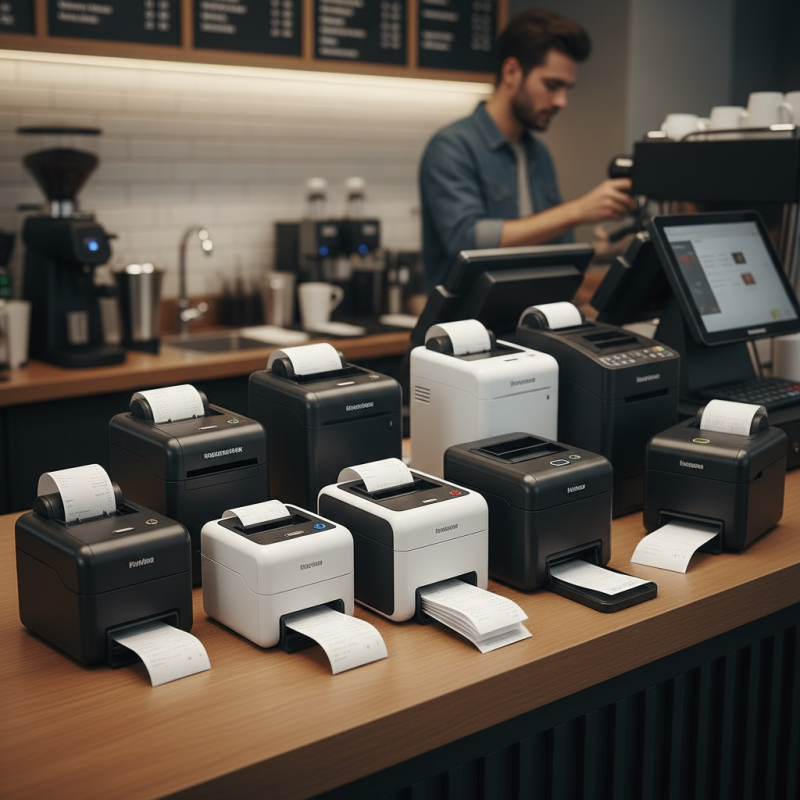
Understanding Thermal Receipt Printers and Their Importance for Businesses
Thermal receipt printers have become essential for businesses of all sizes. They play a crucial role in streamlining transactions. These printers use heat to create images on special paper, producing clear and lasting prints. Their speed and efficiency help reduce waiting times for customers. In today’s fast-paced world, this efficiency can significantly enhance customer satisfaction.
When considering a thermal printer, think about your business’s unique needs. Do you require portable options for on-the-go transactions? Or do you need robust models for high-volume printing? Understanding the demands of your business will guide you to the best choice.
Tips: Evaluate your printing volume regularly. It ensures you select printers that can handle your needs. Also, consider maintenance costs. Sometimes, a cheaper printer may require more investments later. Lastly, read user reviews to gauge reliability and possible issues. Real-world feedback can highlight areas for improvement in your operational setup.
Top 10 Thermal Receipt Printers for Your Business Needs
| Model |
Printing Speed (mm/sec) |
Interface Options |
Paper Width (mm) |
Key Features |
| Model A |
200 |
USB, Serial, Ethernet |
80 |
Compact design, High durability |
| Model B |
250 |
USB, Bluetooth |
58 |
Mobile printing, Lightweight |
| Model C |
150 |
USB, Serial |
80 |
Affordable, Reliable |
| Model D |
300 |
USB, Ethernet, Wi-Fi |
76 |
High speed, Multiple connectivity options |
| Model E |
200 |
USB, Bluetooth |
80 |
User-friendly, Easy setup |
| Model F |
180 |
USB |
80 |
Budget-friendly, Compact |
| Model G |
230 |
USB, Serial, Bluetooth |
80 |
Fast printing, Durable |
| Model H |
250 |
USB, Ethernet |
76 |
High efficiency, Good support |
| Model I |
190 |
USB, Serial |
80 |
Stable performance, Lightweight |
| Model J |
240 |
USB, Bluetooth, Ethernet |
80 |
Versatile connectivity, Streamlined design |
Key Features to Consider When Selecting a Thermal Receipt Printer
When selecting a thermal receipt printer, the key features to consider are speed, durability, and connectivity options. Speed can significantly impact the customer experience. A faster printer reduces wait times, enhancing service efficiency. Look for models that can print receipts in under 1.5 seconds. This is crucial for high-traffic locations like retail stores and restaurants.
Durability is another essential factor. Receipt printers often endure heavy usage. A robust design can withstand wear and tear, ensuring longevity. Waterproof and dustproof features might be beneficial in certain environments. Additionally, considering connectivity options is vital. USB, Bluetooth, and Wi-Fi connectivity can improve integration with existing systems. Flexibility in setup can streamline operations and ease connectivity with various devices.
It's important to reflect on the printer size as well. A compact model may save space, but ensure it meets your printing volume needs. Explore the availability of paper rolls too; finding compatible supplies can sometimes be a challenge. Some printers may be less user-friendly, adding a layer of difficulty. It's crucial to assess your unique requirements closely before making a decision.
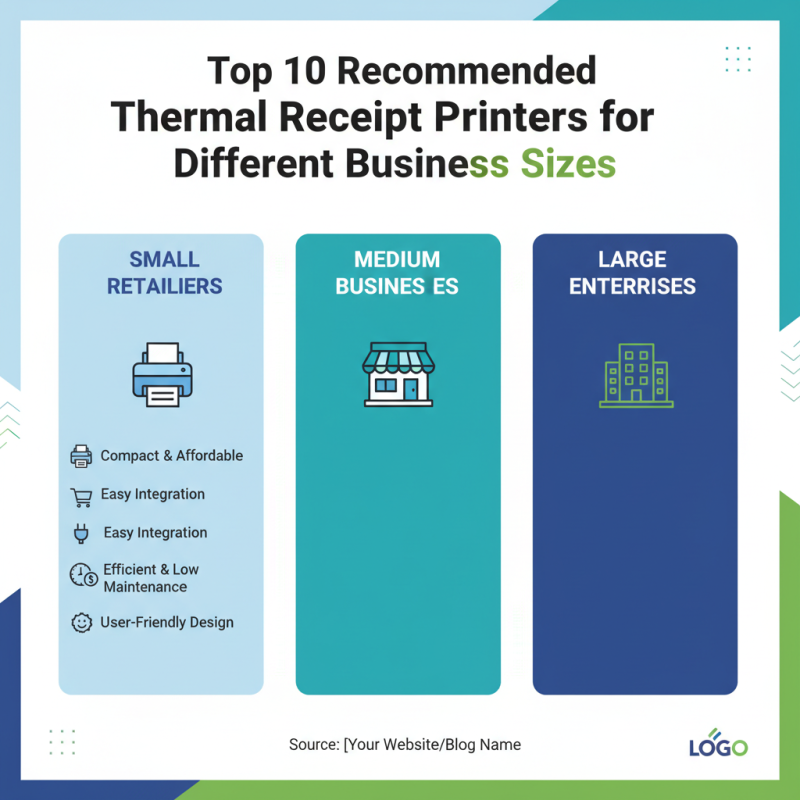
Top 10 Recommended Thermal Receipt Printers for Different Business Sizes
Choosing a thermal receipt printer involves various factors unique to each business size. Small retailers often seek compact and affordable models. These printers should be easy to integrate with existing POS systems. Efficient printing and low maintenance costs are key here. A user-friendly design can greatly enhance the day-to-day operations of small shops.
Medium businesses might need more robust solutions that support higher volumes. Speed and durability become essential. A printer with advanced features, such as wireless connectivity, streamlines transactions. However, businesses should be cautious about the initial investment and running costs. Finding a balance between quality and affordability is crucial.
Larger enterprises may require high-performance printers with extensive functionalities. These models can handle large batches and multiple payment methods. Reliability is paramount. Yet, even large businesses must consider user feedback and adaptability to changing customer needs. Every business will find its ideal match, but it may take a few tries to discover what truly meets its needs.
Comparative Analysis of Thermal Receipt Printers: Pricing and Performance
When selecting a thermal receipt printer, understanding pricing and performance is crucial. The cost of these printers varies significantly based on features and brand reputation. Entry-level models are often affordable but may lack advanced functionalities. Mid-range options offer better performance. High-end printers tend to include superior speed and durability, ideal for high-volume transactions.
Performance is not just about speed. Print quality is also vital for clear receipts. Thermal printers typically provide sharp text and graphics, affecting customer satisfaction. It's essential to look for models with reliable connectivity features. Bluetooth and Wi-Fi capabilities can enhance operational efficiency.
**Tips:** Consider your average print volume when selecting a model. This will influence your long-term costs. Ensure the printer’s paper size meets your needs. A smaller paper roll might save space but requires frequent changes. Lastly, read user reviews; they often reveal reliability issues not highlighted by manufacturers.
Top 10 Thermal Receipt Printers: Pricing and Performance
Maintenance Tips for Ensuring Longevity of Your Thermal Receipt Printer
Thermal receipt printers are crucial for businesses. Their reliability is essential for smooth transactions. Regular maintenance ensures they perform optimally. Research from industry reports indicates that 30% of printer issues stem from inadequate care. Simple practices can extend their lifespan.
Cleaning print heads regularly can significantly improve print quality. Dust and debris can cause misprints. Experts recommend cleaning every month, or more frequently in dusty environments. Additionally, keep the printer's surrounding area tidy. A clean workspace reduces the risk of contaminants affecting performance.
Utilizing high-quality thermal paper enhances print clarity. Subpar paper can lead to frequent jams and wear. Regularly check the printer's rollers for wear and tear. Replace them if signs of damage appear. Timely inspections prevent larger issues down the line. Addressing minor problems before they escalate is key to longevity. Investing time in maintenance pays off in the long run.