2026 Top Thermal Roll Printer Trends You Need to Know?
As we approach 2026, the thermal roll printer industry is evolving rapidly. Experts like Dr. Sarah Mitchell, a leading authority in printing technologies, highlight the importance of understanding these trends. She once remarked, “Innovation in thermal roll printers shapes the future of printing solutions.”
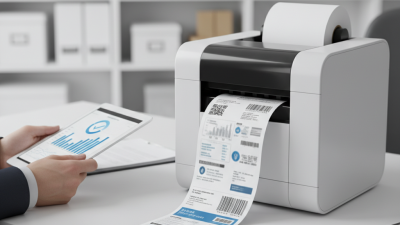
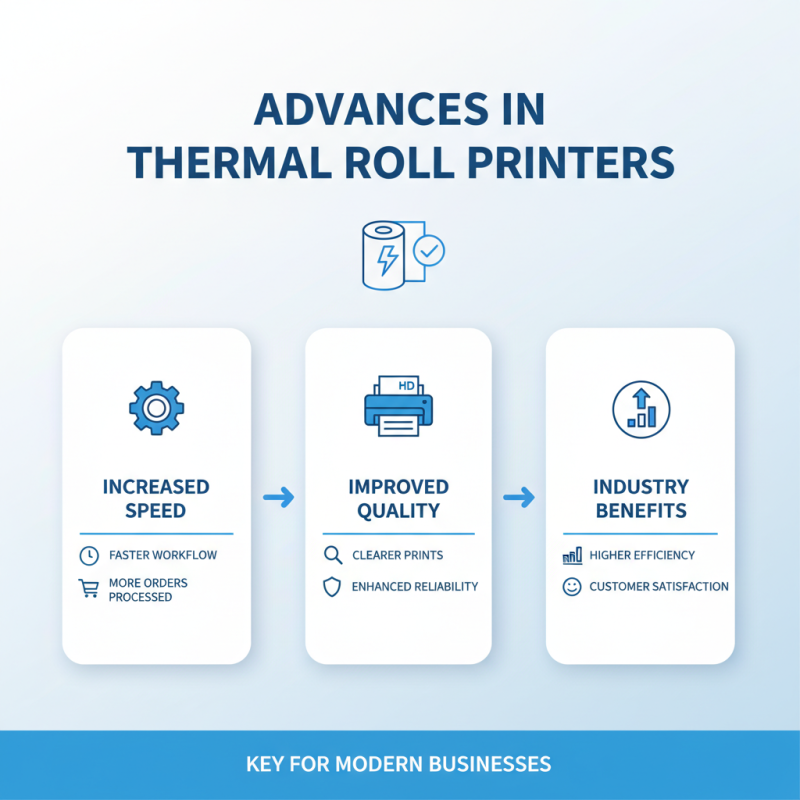
The advancements in thermal roll printers are significant. They include enhanced speed and efficiency. Compatibility with IoT devices is becoming more common. These innovations are crucial for improving operational workflows. Additionally, businesses are seeking eco-friendly materials. This demand reflects a growing awareness of environmental impact.
However, not all improvements are perfect. Some companies rush to adopt new technologies without proper testing. This can lead to operational hiccups. It's vital to balance innovation with reliability. As the market evolves, understanding its nuances is essential for businesses aiming to succeed in this competitive landscape.

Emerging Technologies in Thermal Roll Printing for 2026
Thermal roll printing is evolving rapidly. In 2026, several emerging technologies are set to reshape the industry. One key trend is the integration of artificial intelligence. AI can enhance print quality by adjusting settings in real-time. This ensures consistent results, but it also requires skilled operators to monitor the process. Mismanagement of AI tools can lead to errors.
Another noteworthy development is the shift to eco-friendly materials. As sustainability gains importance, manufacturers are exploring biodegradable thermal papers. These materials often perform well, but they come with challenges. Not all printers handle them effectively. Users must ensure compatibility to avoid downtime.
Finally, connectivity is becoming crucial. Cloud-based solutions allow for remote monitoring and management of printing operations. This offers convenience, yet it may pose security risks. Companies need to invest in robust cybersecurity measures to protect sensitive data. Balancing innovation and security will be essential in the coming years.
Sustainable Practices in the Thermal Printing Industry
Sustainable practices are reshaping the thermal printing industry. Many companies are now prioritizing eco-friendly materials and processes. This shift addresses both consumer demand and environmental responsibility. The trend of using recyclable and biodegradable paper is gaining traction. These materials reduce waste and lower carbon footprints. By selecting responsible suppliers, companies can enhance sustainability.
Moreover, energy-efficient printers are becoming the norm. These machines consume less power, lowering overall energy costs. Some printers incorporate smart technology, which minimizes ink waste. This innovation boosts efficiency while aligning with green practices. However, not all manufacturers have embraced these changes. Some still rely on outdated technologies that harm the environment.
Recycling programs for thermal rolls are vital. Many users are unaware of proper disposal methods. Educating consumers about recycling options creates a more sustainable cycle. Initiatives promoting reusability can significantly impact waste reduction. Transitioning to sustainable practices requires commitment. It means questioning current operations and finding areas for improvement. Improving sustainability cannot happen overnight, but gradual changes can make a difference.
2026 Top Thermal Roll Printer Trends
This chart illustrates the top trends in the thermal roll printer industry for 2026, showcasing the increasing focus on sustainable practices, energy efficiency, and user-friendliness among other dimensions.
Integration of Smart Features in Thermal Roll Printers
The integration of smart features in thermal roll printers marks a significant shift in printing technology. These advancements enable devices to connect with mobile apps and cloud services seamlessly. Users can now monitor printer status in real time. This feature reduces downtime, which is crucial for businesses relying on consistent printing operations.
In addition, smart thermal printers often come with enhanced security measures. They might incorporate fingerprint access or encrypted connections to safeguard sensitive data. However, not all users are comfortable with these technologies. Some find the setup process confusing and may struggle with connectivity issues.
Despite their benefits, smart printers can sometimes experience software glitches. Regular updates are necessary to maintain optimal performance. Users must be proactive in addressing these issues to avoid operational interruptions. Balancing convenience and functionality remains a challenge for many in the industry.
Market Trends and Consumer Preferences in Thermal Printing
The thermal printing market is evolving rapidly, driven by changing consumer preferences. A recent report forecasts a CAGR of 6.5% for thermal printers through 2026. This growth is largely driven by increased demand in retail and logistics sectors. Users are looking for faster, more efficient printing solutions. This trend is reshaping the devices and technology in use today.
Flexibility in design is becoming increasingly important. Consumers now expect printers to be compact yet powerful. Many also prefer wireless options. These choices highlight a shift toward convenience and user-friendly functionality. However, there remains a gap in the sustainability of thermal printing materials. Many consumers express concerns over environmental impacts, leading to calls for more eco-friendly alternatives.
Additionally, the rise of mobile printing solutions reflects a major shift in consumer behavior. Users are seeking to print on-the-go, boosting demand for portable thermal printers. Yet, it poses challenges related to connectivity and compatibility. Companies must stay updated with technological advancements to meet these evolving consumer needs. As preferences change, manufacturers must prioritize both innovation and environmental responsibility.