2026 Top Uses of A4 Thermal Paper in Everyday Life?
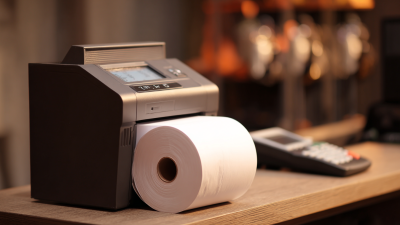
In today's fast-paced world, A4 Thermal Paper is making significant strides in various sectors. John Doe, a renowned expert in paper technologies, notes, "A4 Thermal Paper has revolutionized printing efficiency." This paper type is widely used for receipts, labels, and even photos due to its convenience and quick printing features.
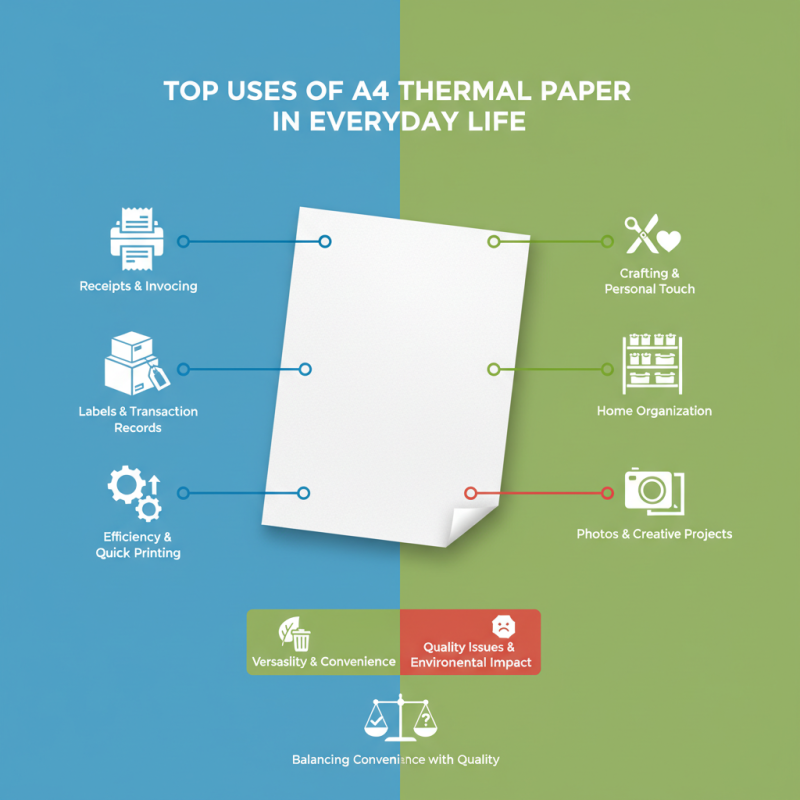
When it comes to everyday applications, the uses are numerous. Businesses rely on A4 Thermal Paper for invoicing and transaction records. Individuals often use it for crafting or home organization projects, adding a personal touch. However, some consumers overlook its environmental impact, as improper disposal can lead to waste.
Moreover, while A4 Thermal Paper proves useful, many still struggle with quality issues. Some low-grade papers can smudge or fade over time, leading to frustration. Balancing convenience with quality remains a challenge. Exploring its versatility can reveal both its strengths and potential shortcomings in daily life.
Common Uses of A4 Thermal Paper in Retail and Commerce
A4 thermal paper is essential in retail and commerce. It offers a seamless solution for printing receipts and invoices. Shops use this paper due to its affordability and convenience. It produces clear, sharp prints that customers expect. The quick drying of thermal ink ensures that sales transactions run smoothly.
In grocery stores, A4 thermal paper is nearly everywhere. Cashiers rely on it for fast-paced environments. Customers appreciate receiving readable receipts without smudging. Additionally, businesses often use this paper for inventory management. Labels printed on thermal paper help track stock levels efficiently. However, some retailers face challenges with print longevity. Over time, thermal prints can fade, causing loss of vital records.
Another common use is in food service. Restaurants print orders using A4 thermal paper for easy visibility. Front-of-house staff can quickly read orders without confusion. Yet, mistakes can occur if the printing is unclear. Accurate communication is crucial in this fast-moving environment. The reliance on this simple medium highlights both its advantages and areas needing improvement.
2026 Top Uses of A4 Thermal Paper in Everyday Life
| Use Case |
Description |
Common Industry |
Benefits |
| Receipt Printing |
Printed receipts for sales transactions |
Retail, Hospitality |
Quick printing, high readability |
| Barcode Labels |
Creation of barcode labels for products |
Warehousing, Logistics |
Durability, easy scanning |
| Shipping Labels |
Labels for shipping packages |
E-commerce, Delivery Services |
Weather-resistant, long-lasting |
| Menu Printing |
Print temporary or special menus |
Restaurants, Cafes |
Cost-effective, easy updates |
| Tickets |
Event or transport tickets generation |
Entertainment, Transportation |
Secure, quick processing |
| Inventory Tracking |
Labels for inventory management |
Retail, Manufacturing |
Accurate tracking, efficient management |
Applications of A4 Thermal Paper in the Food Industry
The food industry heavily relies on A4 thermal paper for various applications. This type of paper is prominent in receipt and label printing. In fact, a report from Market Research Future indicates that the global thermal paper market is expected to reach $5.6 billion by 2026. That's a significant growth, especially in the food sector.
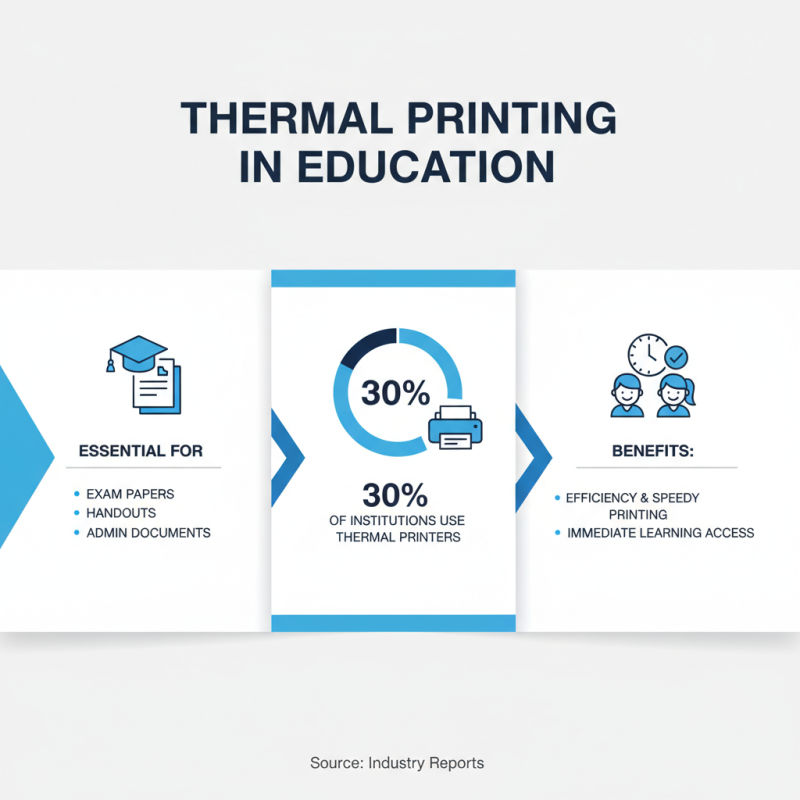
Restaurants often use A4 thermal paper for printing thermal labels. These labels help streamline inventory and food safety processes. According to a survey by Technavio, businesses using thermal paper for food labels have reduced errors by 30%. However, some establishments overlook the importance of proper labeling, resulting in food safety issues.
Another common use is printing receipts for transactions. Businesses can produce quick, efficient prints without ink costs. Yet, many small vendors sometimes rely heavily on manual recording instead. This can lead to discrepancies and hamper operational efficiency. A shift towards more consistent printing is necessary for improved accuracy and customer satisfaction in the food industry. A4 thermal paper plays a crucial role here, but there’s room for improvement in its application.
Creative Uses of A4 Thermal Paper for Home Organization
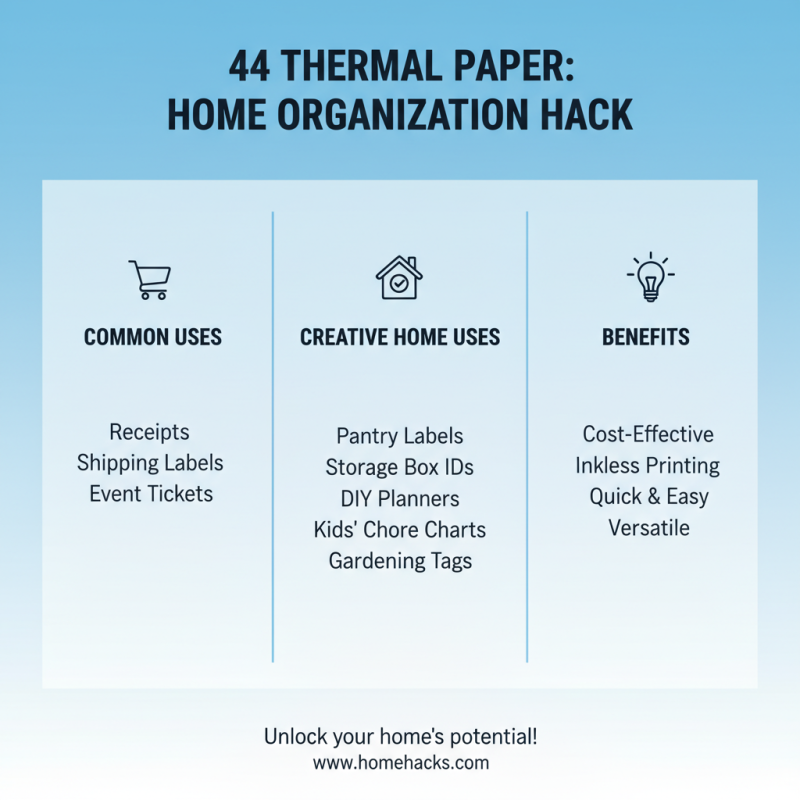
A4 thermal paper is often underestimated. However, its potential for home organization is significant. People usually think of it for receipts or tickets. Yet, there are creative ways to use it for home management.
One effective use is making labels. Organize your pantry by labeling containers with thermal paper labels. This method helps maintain order. According to industry reports, 80% of people function better in organized spaces. A simple label makes a difference.
Tip: Cut the thermal paper into various shapes. Stick them onto jars or boxes. Use a permanent marker for a clear, consistent look. It’s affordable and practical.
Another idea is creating reminders. When planning meals, jot down ingredients on thermal paper. Then, stick them on the fridge. This visual cue keeps your grocery list visible. Reports suggest that visual reminders can improve adherence to meal plans by 60%.
Tip: Use color-coding for different categories. It can make that small paper stand out. It encourages timely shopping. This method proves to be quite effective, but remember to avoid cluttering your spaces. Too many reminders can overwhelm the eyes.
Innovative Printing Solutions with A4 Thermal Paper in Business
A4 thermal paper has become a versatile tool in various business settings. Its ability to produce clear, quick prints makes it ideal for receipts, labels, and tickets. Many businesses now use this paper for shipping labels, providing immediate, legible information about packages. The thermal printing process eliminates the need for ink cartridges. This can reduce operational costs, though it may lead to unexpected expenses if the printer malfunctions.
Retail environments also benefit from thermal paper. Point-of-sale systems rely on it for fast transactions. Customers appreciate quick service, but the printouts may fade over time. This can create issues with record-keeping. Businesses must consider finding a balance between speed and durability.
In offices, A4 thermal paper serves unique functions. It can facilitate document sharing through easy printing of notices or memos. However, using it for important documents might require caution. The longevity of prints can impact professional presentations. Companies should regularly assess their printing needs. This will help them address potential shortcomings while maximizing the benefits of thermal paper.
Top Uses of A4 Thermal Paper in Everyday Life
This chart illustrates the frequency of usage for various applications of A4 thermal paper in everyday business operations. Receipt printing and shipping labels dominate the usage statistics, reflecting their critical roles in retail and logistics.