The Ultimate Guide to 2026 Top Office Paper Types?
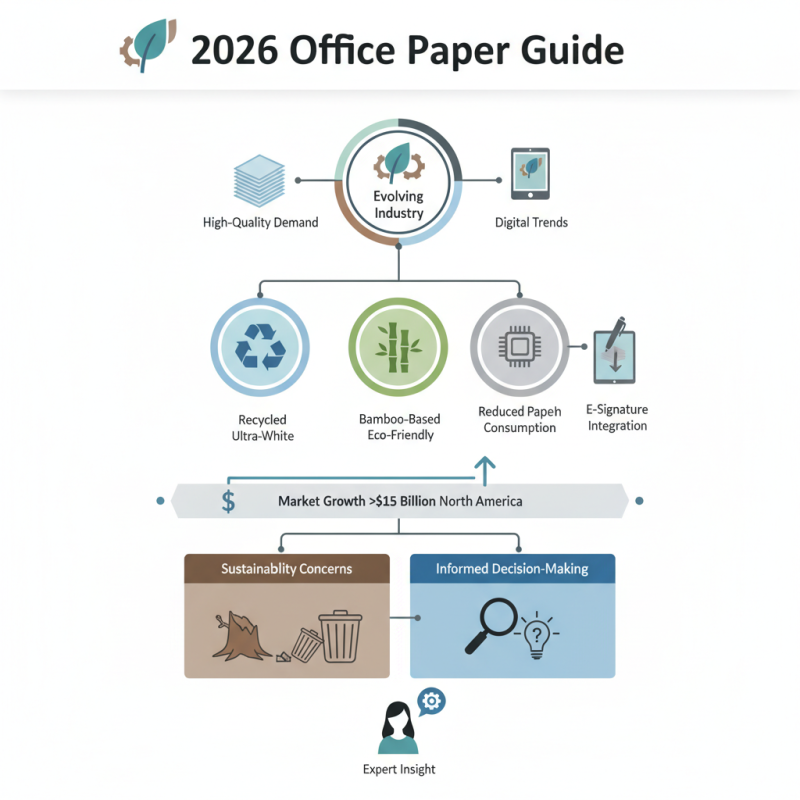
The office paper industry is evolving rapidly. In 2026, businesses will face diverse options that meet specific needs. The demand for high-quality office paper remains prominent, despite digital trends. According to the Paper and Paperboard Packaging Environmental Council, the office paper market in North America is projected to reach over $15 billion by 2026. This growth underscores the enduring relevance of office paper in corporate environments.
Expert Jane Smith states, "Choosing the right office paper can enhance productivity and reduce costs." Her insight highlights the importance of selecting appropriate paper types for various tasks. While digital solutions rise, many organizations still depend on paper for essential documentation and communication.
However, there are challenges. Sustainability concerns are pressing. Many paper types contribute to deforestation and waste. Companies must navigate these dilemmas while meeting paper demands. This guide will explore the top office paper types in 2026 and address these critical issues. Understanding the landscape is essential for informed decision-making.
The Evolution of Office Paper Types: From Traditional to Modern Solutions
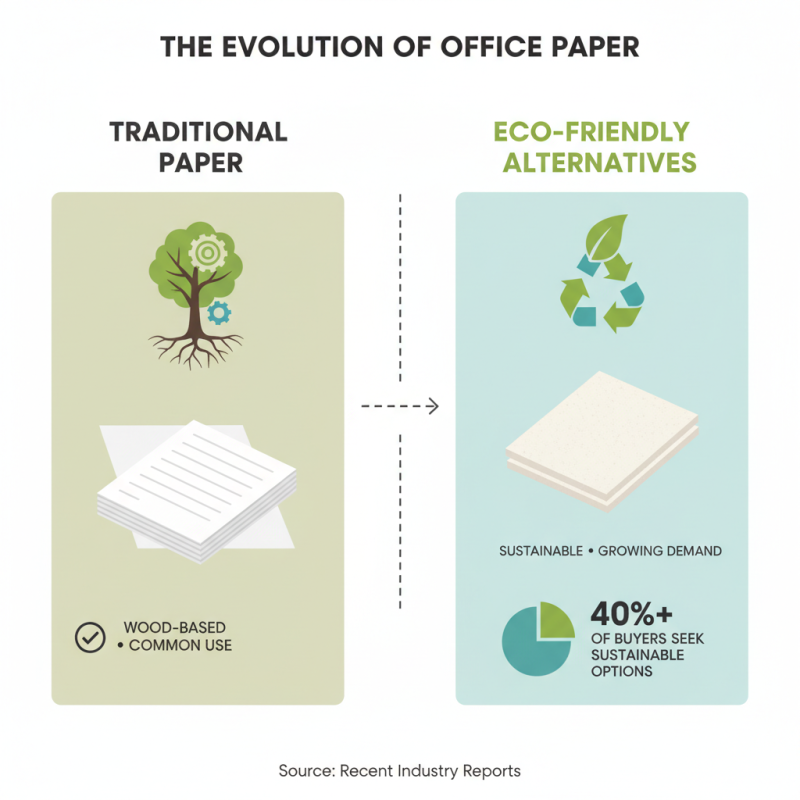
The evolution of office paper types has been remarkable. Traditional paper, mainly wood-based, remains common. However, there is a notable shift towards eco-friendly alternatives. Recent reports indicate that over 40% of office supply buyers seek sustainable paper options. This trend reflects a growing awareness of environmental impacts and resource conservation.
Modern solutions include recycled paper and paper made from alternative fibers like hemp or bamboo. These types offer similar quality and durability while minimizing ecological footprints. Studies show that using recycled paper can reduce carbon emissions by 20%. Yet, the availability of such options remains inconsistent across markets.
The transition has its challenges. Many offices still rely on traditional types due to inertia and cost considerations. A staggering 60% of businesses have not fully assessed their paper usage. This gap suggests a critical need for reevaluation and improvement. Ultimately, adopting innovative paper solutions can greatly enhance sustainability efforts in the workplace.
Key Features of Popular Office Paper Types: Weight, Brightness, and Finish
When choosing office paper, three main features stand out: weight, brightness, and finish. Weight is crucial. Most papers vary from 20 lb to 32 lb. Heavier papers often feel sturdier. They are better for printing presentations or marketing materials. Lighter papers, on the other hand, work well for everyday printing tasks.
Brightness plays a vital role too. Paper brightness affects how colors appear on printouts. A brightness level of 90 and above is common for high-quality prints. Lower brightness levels can make colors seem dull. You want your graphics to pop, right?
Lastly, the finish can change the entire look of a document. Glossy finishes give a polished, vibrant look. They enhance color but can be tricky for writing or labeling. Matte finishes, however, offer a more subdued effect. They are ideal for resumes or letters. Choosing the right finish can be challenging. Each option has its pros and cons.
The Ultimate Guide to 2026 Top Office Paper Types
| Paper Type |
Weight (GSM) |
Brightness |
Finish |
| Standard Copy Paper |
80 GSM |
92 |
Smooth |
| Premium Printing Paper |
120 GSM |
98 |
Satin |
| Recycled Paper |
80 GSM |
88 |
Smooth |
| Cardstock |
220 GSM |
90 |
Matte |
| Photo Paper |
250 GSM |
100 |
Glossy |
Environmental Impact of Different Office Paper Types and Sustainability Trends
The environmental impact of office paper types is significant. A report by the Environmental Protection Agency reveals that paper production accounts for about 26% of total municipal solid waste. This raises serious questions about sustainability. Companies often opt for recycled paper, which uses 60% less energy than virgin paper. Yet, the recycling rate in the U.S. is only about 66%. There’s still room for improvement.
Sustainability trends are evolving. Many organizations are moving toward “tree-free” paper. These options, such as bamboo or sugarcane paper, reduce dependency on traditional wood sources. Despite their growing popularity, they only represent a small market share. A striking number of offices still rely heavily on conventional paper.
The carbon footprint of paper production is alarming. The World Wildlife Fund states that producing one ton of paper can create up to 1.5 tons of carbon dioxide emissions. Current practices need reevaluation. Are companies adequately prioritizing sustainable choices? The answer remains unclear as habits shift slowly. Awareness is key, yet many businesses still overlook these crucial changes.
The Environmental Impact of Different Office Paper Types
Market Analysis: Demand for Specialty Papers in the 2026 Office Environment
The demand for specialty papers is set to rise in the 2026 office environment. As companies seek sustainable and functional solutions, unique paper types gain attention. Employees often need paper that aligns with creative tasks and eco-friendly practices. This shift could redefine office workflows.
Specialty papers offer diverse textures and weights, enhancing user experience. From recycled materials to vibrant colors, options are expanding. Many offices may not recognize the importance of these choices. Factors like quality, sustainability, and aesthetics play a crucial role in employee satisfaction. Not every company will prioritize these aspects, potentially leading to missed opportunities.
Research indicates a growing market for personalized stationery. This trend encourages businesses to invest in unique paper supplies. However, the challenge is not just availability. It requires understanding user preferences and innovative designs. Companies may need to rethink their approach to paper procurement. This reflection can drive better workplace practices while embracing the evolving landscape of office needs.
Future Innovations in Office Paper Production and Technology Integration
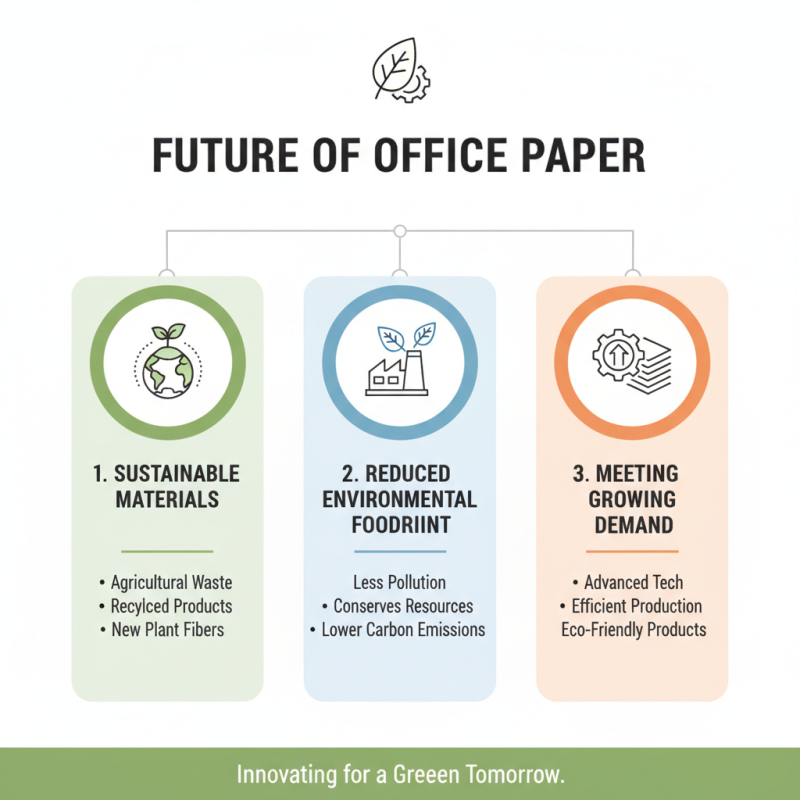
The future of office paper production is set for exciting transformations. As technology advances, manufacturers are exploring sustainable materials. New fibers from agricultural waste and recycled products are being prioritized. This shift aims to reduce environmental footprints while meeting growing demands.
Integrating smart technology within paper products is another area of exploration. Imagine paper that interacts with digital devices. It could seamlessly link printed documents to online content. While this is a fascinating concept, the practicality of such innovations raises questions. Will the cost be worth the benefits?
Moreover, the production process may become more efficient thanks to automation. Robotics could streamline operations, reducing waste and improving quality. However, there are concerns about job displacement. Balancing automation with human roles is crucial. As this industry evolves, staying mindful of both environmental and social impacts becomes increasingly important.