Ultimate Guide to Choosing the Best Inkjet Paper for Stunning Prints
As the demand for high-quality printing continues to rise, choosing the right inkjet paper has become increasingly critical for achieving stunning prints. According to a recent report by Smithers Pira, the global market for inkjet paper is expected to reach $7.3 billion by 2025, driven by advancements in printing technology and the growing emphasis on vibrant colors and intricate details in printed materials. This substantial market growth highlights the importance of selecting the appropriate inkjet paper to maximize the capabilities of modern printers.
Renowned industry expert Dr. Emily Carter, a leading researcher in printing materials, states, "The choice of inkjet paper is vital; it not only affects the image quality but also influences how different inks interact with the surface." This underscores the necessity of understanding the various types of inkjet papers available—coated, uncoated, glossy, and matte—each offering unique qualities that cater to different printing needs. By grasping the nuances of inkjet paper selection, users can elevate their printing projects, ensuring that their photographs, graphics, and text both shine and endure over time.
In this ultimate guide, we will explore the essential factors to consider when choosing the best inkjet paper, empowering you to make informed decisions that will lead to breathtaking printed results.
Understanding Inkjet Paper Types: Glossy, Matte, and More
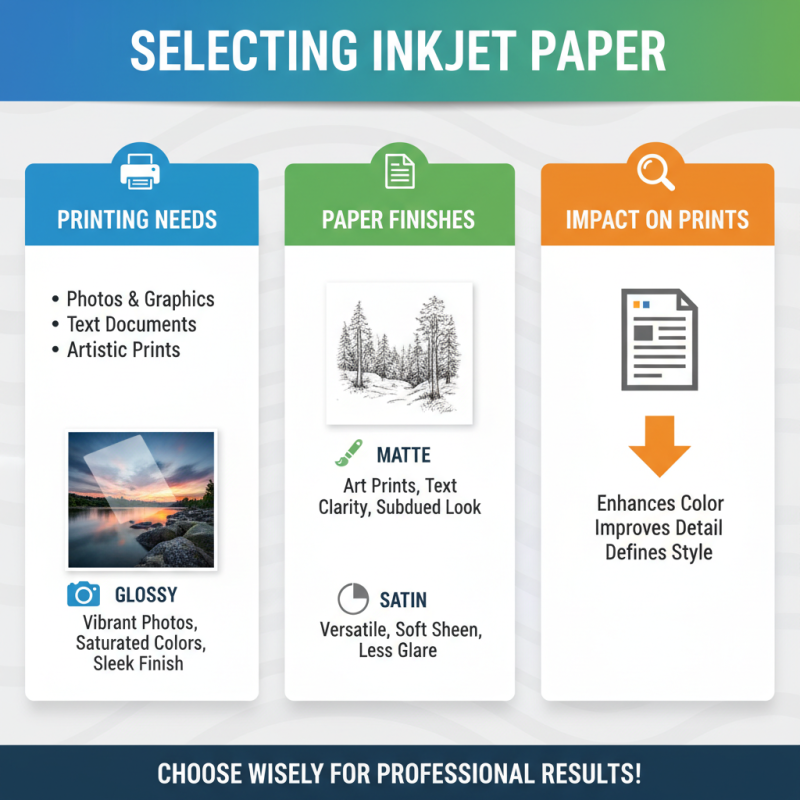
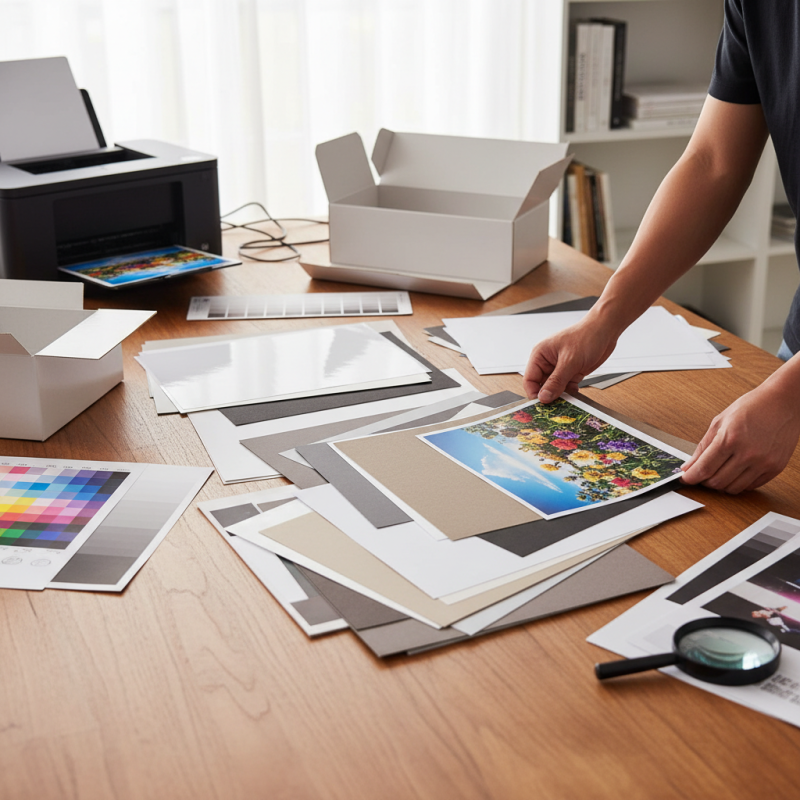
When choosing inkjet paper, understanding the different types available is crucial for achieving stunning prints. Glossy paper is a popular choice for photographs and vibrant images, known for its high shine and ability to enhance color saturation. This type of paper reflects light beautifully, making colors appear more vivid and details sharper, which is ideal for professional-looking prints. However, it can be prone to fingerprints and glare, so handling with care is essential.
Matte paper, on the other hand, offers a non-reflective finish that is perfect for displaying text and artwork where clarity and detail are paramount. This paper type absorbs ink rather than reflecting it, resulting in a more subdued color palette but with a soft and sophisticated look. Matte paper also avoids glare, making it easier to view in various lighting conditions. Other specialty papers include satin and luster finishes, which provide a balance between glossy and matte, offering mild reflection while maintaining color richness. Each type of inkjet paper serves a specific purpose, so understanding their characteristics allows for better decision-making in print projects.
Inkjet Paper Types and Their Characteristics
This chart illustrates the different types of inkjet paper and their characteristics, such as brightness, weight, and common usage. Understanding these factors helps in choosing the right paper for stunning prints.
Key Factors to Consider When Choosing Inkjet Paper
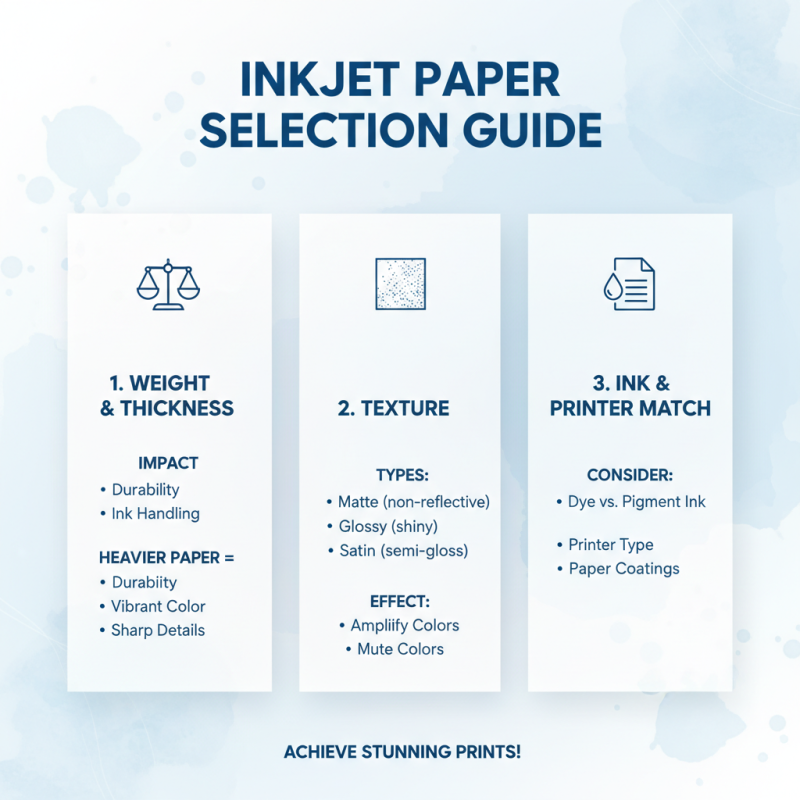
When selecting inkjet paper, several key factors must be taken into account to achieve stunning prints that truly reflect your artistic vision. First, consider the paper's weight and thickness, which significantly impact the print quality and durability. Heavier papers tend to handle ink better, providing enhanced color vibrancy and sharper image details. Additionally, examining the paper's texture—whether matte, glossy, or satin—will also influence the final appearance of your prints, as texture can either amplify or mute color effects.
Another crucial aspect to evaluate is the paper's compatibility with your specific inkjet printer. Different printers may require particular paper formulations to prevent smudging or bleeding. It's also essential to look for papers specifically designed for photo printing or fine art, as these often feature coatings that optimize ink absorption and drying time. Lastly, think about the intended use for your prints. If you're creating items for display, a high-quality, durable paper is invaluable, while standard projects may only require a less expensive option. By carefully considering these factors, you can ensure that your choice of inkjet paper leads to impressive and lasting results.
How Paper Weight and Thickness Affect Print Quality
When selecting inkjet paper, understanding the paper weight and thickness is crucial for achieving optimal print quality. The paper weight, typically measured in grams per square meter (gsm), directly influences the absorption of ink and the resulting clarity of images. Research indicates that papers ranging from 200-300 gsm provide the best performance for high-quality photo prints, allowing for vibrant colors and sharp details. Thicker papers tend to absorb ink more evenly, minimizing bleeding and enhancing the overall aesthetic of the print.
Additionally, the thickness of the paper, often noted in microns, plays a significant role in the paper's stiffness and durability. Papers with a thickness of 250 microns or above are recommended for professional-grade prints, as they can withstand handling without warping or bending. Industry reports suggest that using papers with higher thickness not only improves the tactile experience of the print but also contributes to a more pronounced color depth, resulting in stunning visuals that command attention.
Choosing the right combination of weight and thickness will ultimately determine the quality and longevity of your prints, making this a vital consideration for anyone serious about their inkjet projects.
Recommended Brands and Products for Inkjet Printing
When selecting inkjet paper, it’s essential to consider the specific printing needs and preferences to achieve vibrant and professional results. High-quality inkjet paper is available in various finishes, such as glossy, matte, and satin, catering to different styles of prints. Glossy papers are ideal for photos, as they enhance color saturation and provide a sleek finish. Conversely, matte papers give a more subdued look, making them suitable for artistic prints and documents where text clarity is paramount. Selecting the right paper finish can significantly impact the overall appearance of your prints.
In addition to finishes, the weight and thickness of the paper are crucial in determining the quality of the printed output. Heavier paper tends to yield better results, as it absorbs ink more effectively and reduces issues such as bleed-through. Moreover, specialty papers, such as fine art or archival options, can offer unique textures and longevity for prints that need to withstand the test of time. It’s worth experimenting with different types to find the perfect match for your projects, ensuring that each print resonates with the desired quality.
Tips for Storing and Handling Inkjet Paper Properly
Proper storage and handling of inkjet paper are essential to achieving stunning prints that meet your creative vision. To maintain the quality of your inkjet paper, it is critical to store it in a cool, dry place, away from direct sunlight and humidity. Exposure to moisture can cause the paper to curl or warp, while excessive heat can lead to a loss of texture and brightness. Consider keeping your paper in its original packaging until you're ready to use it, as this can help protect it from environmental factors and dust accumulation.
When handling inkjet paper, always make sure your hands are clean and dry. Oils and dirt from fingerprints can affect the print quality, leading to unwanted smudges or streaks. It's also advisable to avoid touching the surface of the paper to maintain its pristine condition. If you are storing multiple sheets, keep them stacked neatly and avoid bending or creasing the corners. Additionally, if you've opened a pack, reseal any unused sheets to keep them shielded from external elements. By following these simple tips, you can ensure that your inkjet paper remains in optimal condition, ready to deliver vibrant and high-quality prints.