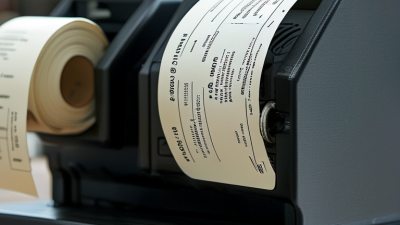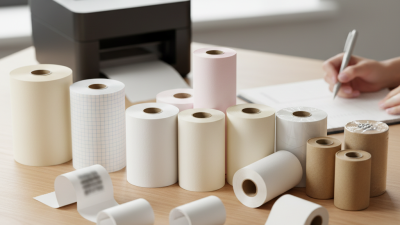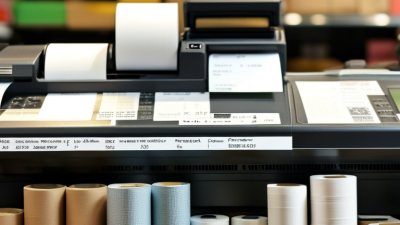
Choosing the right Receipt Paper in 2026 requires more than comparing roll prices. Buyers must examine printer compatibility, image durability, storage conditions, and chemical composition. A low-cost roll may create faded totals, dusty cutters, or unreadable returns weeks later.
The leading option remains high-quality direct thermal paper. It prints quickly, needs no ink, and suits supermarkets, cafés, kiosks, and delivery counters. Phenol-free and BPA-free grades are gaining attention because many buyers want safer, more transparent material choices. Standard thermal paper still works well for short-term receipts. It may disappoint when receipts face sunlight, heat, moisture, or long storage.
Plain bond paper remains valuable for impact printers and systems requiring ink or ribbon. It offers dependable long-term readability, but printing can be slower and maintenance may increase. Linerless adhesive paper also deserves consideration for labels, tickets, and compact point-of-sale equipment. It saves backing waste, although handling and machine calibration can be less forgiving.
Dr. Alan R. McNally, a thermal-printing materials consultant, explains, “The best receipt paper is the one that stays readable after the sale.” That principle should guide every 2026 purchase. Buyers should request samples and test actual printers before placing large orders. Small details matter: a 57-millimeter roll can fit one terminal but jam another. Storage matters too. A perfect roll can still fail in a hot delivery vehicle.
This guide is not absolute. No Receipt Paper type wins every application. Budget pressure can also distort sensible choices. A slightly higher-quality roll may reduce waste, complaints, and reprinting over time. That trade-off deserves honest attention.
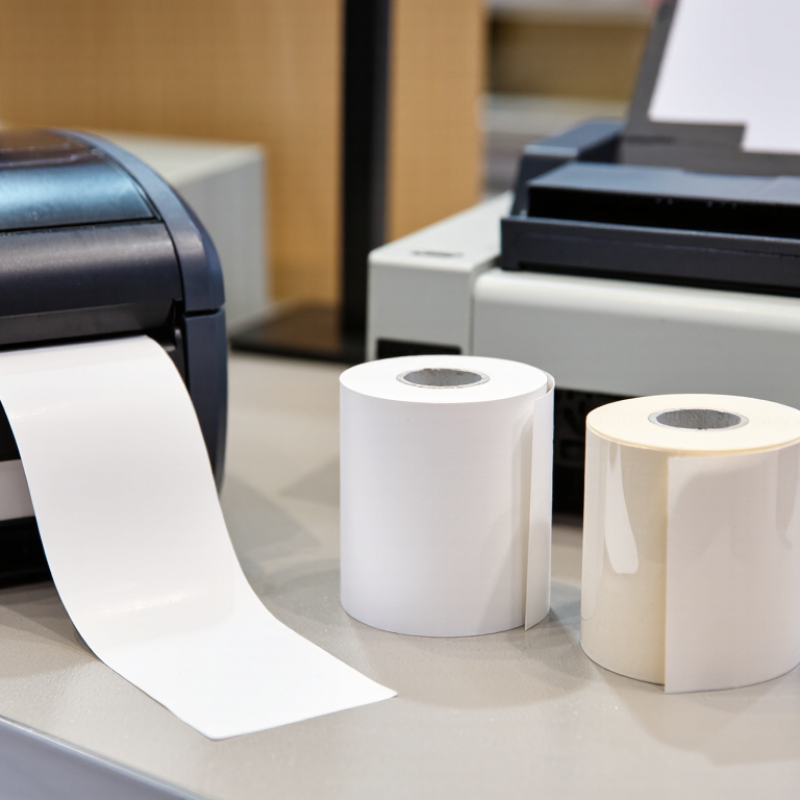
Receipt paper is the coated material used to print sales details, payment records, and service information. In 2026, its type matters because stores need clear printing, reliable storage, and safer material choices. A paper roll affects scanner readability, customer trust, and daily operating costs. Small detail, big impact.
The main choice is direct thermal paper. It reacts to heat, so it needs no ink ribbon. This makes checkout printing fast and simple. Phenol-free thermal paper is gaining attention because many buyers want reduced chemical exposure. However, “eco-friendly” claims need careful checking. I have seen paper labeled green while its coating remained unclear. A clean print is not enough.
Carbonless paper Carbonless paper suits impact printers that create several copies at once. It helps when customers, warehouses, and offices need matching records. Bond paper works with ink-based or ribbon printers and usually supports longer-term writing. Buyers should match the paper to their printer model, roll width, core size, and storage conditions. Ask for coating information. Check sample receipts after heat, light, and moisture exposure. Do not assume every thermal roll has the same durability. Some fade quickly in a parked vehicle. That practical weakness can matter more than a lower purchase price. A receipt that fades before a customer reaches home is a poor result.
Among buyers, thermal receipt paper remains the most popular type in 2026. It prints quickly, needs no ink ribbon, and works well in busy checkout counters. Smithers’ industry report, The Future of Thermal Paper to 2029, identifies point-of-sale receipts as a major demand area for thermal grades. Grand View Research also reports steady growth in the global thermal paper market, supported by retail, transport, and payment services. A practical test is simple: print a dark receipt, fold it, and check whether the text stays sharp.
Phenol-free thermal paper is gaining attention. Buyers increasingly ask for BPA-free or BPS-free coatings, especially for food stores, pharmacies, and high-volume retailers. Market research from Future Market Insights links this shift with stronger demand for safer coating technologies and changing purchasing expectations. However, “phenol-free” should not be treated as a complete quality guarantee. Coating stability, image life, and supplier documentation still matter. That part is sometimes overlooked.
Recycled receipt paper also attracts environmentally conscious buyers. It suits conventional impact printers and selected paper-based systems, but it cannot replace thermal stock in every machine. The choice depends on printer compatibility, storage conditions, and required readability. In a warm delivery van, weak thermal coating may fade faster than expected. I have found that buyers often focus on price first, then reconsider after jammed rolls and blurry returns. That habit deserves more thought.
For 2026 receipt buyers, thermal paper remains the fastest option for busy checkout counters. It prints through heat, so it needs no ink ribbon or cartridge. This reduces routine maintenance and keeps receipts clear at first. Thermal printers are usually quiet and compact. However, heat, sunlight, and friction can darken or fade the image. Store samples in a warm vehicle for a week before choosing a large supply. That simple test can reveal weaknesses.
Carbonless paper suits businesses needing several copies from one handwritten transaction. Pressure transfers writing through coated layers, creating records for customers, offices, or delivery staff. It works without electricity, but the sheets require careful alignment. Heavy pressure can tear the top page. Light writing may produce weak copies. Keep the forms dry and flat. Small details matter.
Bond paper offers the broadest printer compatibility. It works with inkjet, impact, and some laser systems. Buyers can select different weights, colors, and sheet sizes. It often supports longer-term filing better than heat-sensitive thermal stock. Yet ink, ribbons, and printer servicing add operating costs. I have seen buyers focus only on the roll price. That can be misleading. Calculate paper, maintenance, storage, and replacement time together. No paper wins every counter.
How do thermal, carbonless, and bond papers compare across common purchasing criteria?
Scores use a 1–5 comparative scale based on common paper characteristics: thermal paper prints through heat without ink or toner, carbonless paper creates duplicate copies through pressure-sensitive coatings, and bond paper requires ink or toner but supports conventional printing and long-term document handling. Higher scores indicate a stronger fit for the criterion.
Choosing receipt paper in 2026 requires more than checking roll price. Buyers should match the paper type to the printer, transaction volume, and storage conditions.
Thermal paper suits fast checkout counters because it prints without ink.
Bond paper works with impact printers and remains readable under stronger light.
Carbonless paper helps when several copies are needed.
Printer compatibility comes first. Check the roll width, core size, outer diameter, and winding direction before ordering. A roll that fits poorly can cause jams and wasted staff time. Paper thickness also matters. Very thin rolls may tear during busy periods, while thicker rolls can reduce the number of receipts per replacement.
Test a small batch first. It is safer.
Print durability deserves careful attention. Receipts stored in hot vehicles, wallets, or humid drawers may fade faster than expected. Buyers should request samples and test printed text after heat, friction, moisture, and light exposure. Food oils can leave blank-looking marks on some surfaces. That detail is easy to miss.
For customer service records, choose paper with stable image retention and clear contrast. Ask suppliers for technical specifications, production dates, and compliance documentation. Recycled content may support purchasing goals, but it should not compromise smooth feeding or legibility.
I have seen teams select the lowest price, then pay more through jams and frequent roll changes. A better decision weighs total operating cost, not only the invoice.
Choosing the right receipt paper in 2026 starts with understanding the main paper types. Thermal paper remains popular because it prints quickly without ink or ribbons. It suits busy counters, compact printers, and mobile checkout stations. Bond paper uses ink and offers a familiar, long-lasting format for detailed records. Carbonless paper creates duplicate copies for deliveries, service calls, or customer signatures. Synthetic paper costs more, but it handles moisture and rough handling better.
Businesses should match paper performance with daily working conditions. A café may need fast thermal rolls that resist fading near warm equipment. A warehouse may prefer durable synthetic sheets that survive spills and frequent handling. Check roll width, core size, thickness, printer compatibility, and storage requirements before ordering. Paper that fits the printer can still feed poorly. That small mistake wastes time and money. Review supplier specifications, safety documentation, and batch quality before making a large purchase. Testing one carton first is wiser than trusting a sample alone.
Tips: Store rolls away from heat, sunlight, and moisture. Ask staff to test printed receipts after several days. Compare readability, curling, and fading. Do not choose only by the lowest price. A slightly cheaper roll may create more jams, replacements, and customer complaints. Requirements also change over time, so review paper performance every few months.