What is a Thermal Printer Roll and How to Choose One?
In the ever-evolving world of printing technology, understanding Thermal Printer Rolls becomes essential for businesses. These rolls play a critical role in delivering high-quality prints with efficiency and speed. According to the latest industry report by Smith & Johnson Research, the demand for thermal printer rolls is projected to grow by 12% annually. This growth underscores the importance of selecting the right roll for optimal performance.
Industry expert Dr. Emily Hart emphasizes, “Choosing the right thermal printer roll can significantly impact the durability and clarity of printed materials.” Her insights highlight the need for careful consideration when selecting the appropriate rolls. Factors such as size, type of material, and compatibility with printers should all influence purchasing decisions.
Yet, despite the clear advantages, many still overlook specific features. Businesses often find themselves grappling with issues like print fading or paper jams caused by subpar rolls. This oversight can lead to wasted time and resources. A thoughtful approach to selecting thermal printer rolls can ensure that businesses remain competitive in an increasingly digital marketplace.
What is a Thermal Printer Roll?
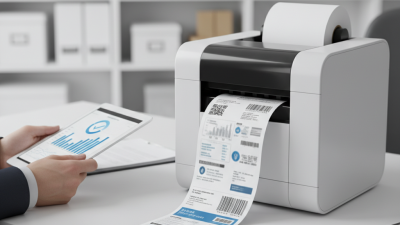
Thermal printer rolls are essential supplies in various industries. These rolls utilize heat to print directly onto special thermal paper, making them popular for receipts, labels, and tickets. According to a report by Smithers Pira, the demand for thermal paper is projected to grow at an annual rate of 3.9% through 2025. This indicates a solid reliance on thermal printing technologies.
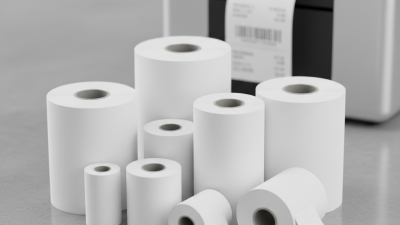
Choosing the right thermal printer roll is crucial. The width and diameter of the roll must match the printer requirements. Standard widths include 2, 3, and 4 inches. The roll's core size, commonly 1 or 1.5 inches, also matters for compatibility. While many users focus on the paper quality, the coating can vary significantly. Some rolls are designed for high-speed printing, while others may smudge easily. Understanding these nuances can enhance printing efficiency.
One often overlooked factor is the environmental impact. While thermal paper is convenient, much of it contains bisphenol A (BPA), a substance that raises health and ecological concerns. Opting for BPA-free options can mitigate risks. Users should weigh the benefits against potential harm to health or the environment as they choose their rolls. Making informed decisions is key in optimizing both functionality and sustainability.
Types of Thermal Printer Rolls Available in the Market
When exploring different types of thermal printer rolls available in the market, it’s crucial to consider several factors. Thermal printer rolls come in various widths and lengths. Standard widths range from 40mm to 80mm, which are common in retail environments. According to a report from Smithers Pira, the global thermal transfer market will reach around $30 billion by 2025. This growth underlines the need for specific types of rolls tailored to various applications.
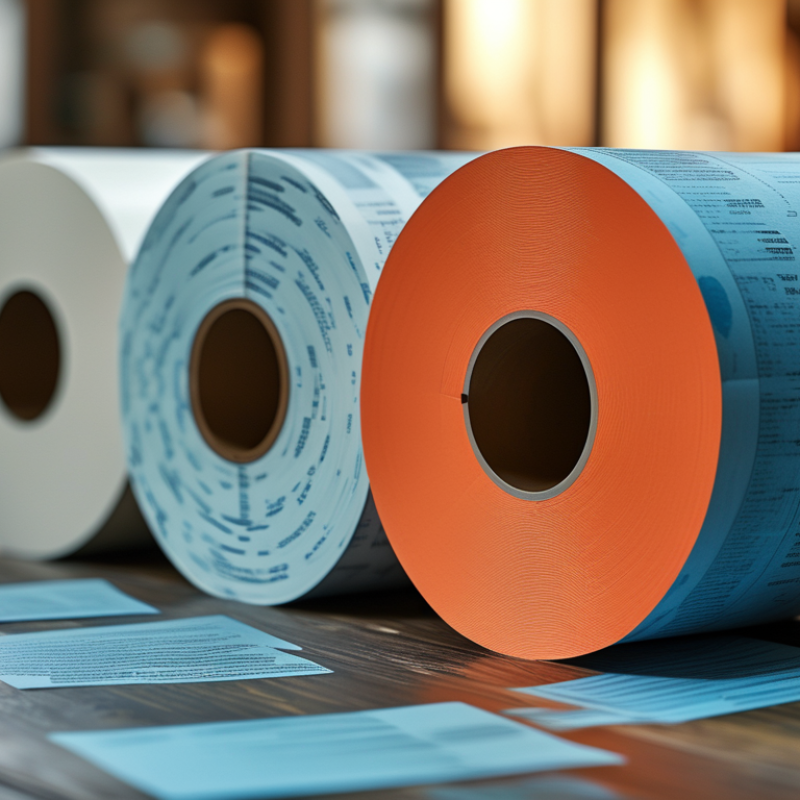
There are a few main types of thermal printer rolls. Direct thermal rolls use heat-sensitive paper that turns black when heated. These are often used for shipping labels and POS systems. Meanwhile, thermal transfer rolls use a ribbon that melts to transfer ink onto the paper. They provide a longer-lasting print, suitable for barcode labels and product tags. A professional insight from the Thermal Printer Maturity Index indicates that companies often underestimate the importance of selecting the right roll type, which can result in costly print issues.
Additionally, the roll core diameter is an important factor for compatibility with different printers. Common core sizes include 25mm and 40mm. Many users overlook this detail, leading to operational inefficiencies. Ensuring compatibility can significantly enhance workflow and reduce waste, as improper sizing may lead to jamming or poor print quality. Evaluating these details is essential for optimizing printing tasks.
Factors to Consider When Choosing a Thermal Printer Roll
Choosing the right thermal printer roll is crucial for optimal printing performance. There are several factors to consider when making this decision. First, the size of the roll must match the printer’s specifications. Measuring the width and diameter ensures compatibility. Incorrect sizing can lead to paper jams or wasted materials.
Another important aspect is the paper type. Thermal rolls come in different textures and coatings. Selecting the wrong type can affect print quality. For instance, a smoother surface produces sharper images. Additionally, consider the coating. Direct thermal rolls do not require ink, but they can fade over time, especially exposed to heat or light.
The quantity you need also matters. Buying in bulk can save costs, but it might lead to storage issues. Think about your printing volume. Sometimes, smaller quantities can be more practical. Also, evaluate the roll’s durability. Poor-quality rolls may cause frequent replacements and more frustration than expected. It's beneficial to experiment with different options to find what best suits your needs.
Thermal Printer Roll Size Comparison
How to Properly Store Thermal Printer Rolls
Proper storage of thermal printer rolls is crucial for maintaining print quality and ensuring optimal performance. These rolls are sensitive to humidity, temperature, and light. According to industry reports, exposure to excessive heat can cause prints to fade or become illegible. Storing the rolls in a cool, dry place is recommended to prolong their shelf life. A suitable environment should ideally have a temperature below 25°C (77°F) and humidity between 30% and 50%.
Sealed packaging is also essential. Keeping thermal rolls in their original packaging protects them from dust and light exposure. When storing, ensure the rolls are upright to avoid deformation. It's advisable to use a designated storage container that minimizes air circulation and controls moisture. According to studies, improper storage can reduce the lifespan of thermal printing supplies by as much as 30%.
Regularly checking your inventory can save time and prevent wastage. Outdated rolls can lead to poor print quality and disruptions in workflow. Mark your storage with dates to ensure the oldest stock is used first. Being proactive about storage will lead to consistent print results and fewer headaches in the long run.
Tips for Troubleshooting Common Issues with Thermal Printer Rolls
When using thermal printers, common issues can arise with thermal printer rolls. One frequent problem is inconsistent print quality. This can stem from improper storage of rolls, which may affect the thermal coating. According to industry studies, nearly 30% of printing errors relate to poor roll handling. Ensure the rolls are kept in a cool, dry place to mitigate this.
Another issue involves the printer’s thermal head. Over time, the head can accumulate residue, affecting its performance. In fact, reports suggest that 20% of printer malfunctions arise from a dirty thermal head. Regularly cleaning the head with appropriate materials can extend the printer's life and improve print quality. Users should also inspect the printer settings to avoid misconfiguration, which can cause wasted rolls.
Choosing the right thermal roll is essential. Pay attention to compatible dimensions and types. Not all rolls fit every printer, and using the wrong size can lead to jams. Industry insights indicate that about 15% of operational downtime in thermal printing is due to incorrect roll selections. Users should keep a detailed record of the issues faced to refine future purchasing decisions.